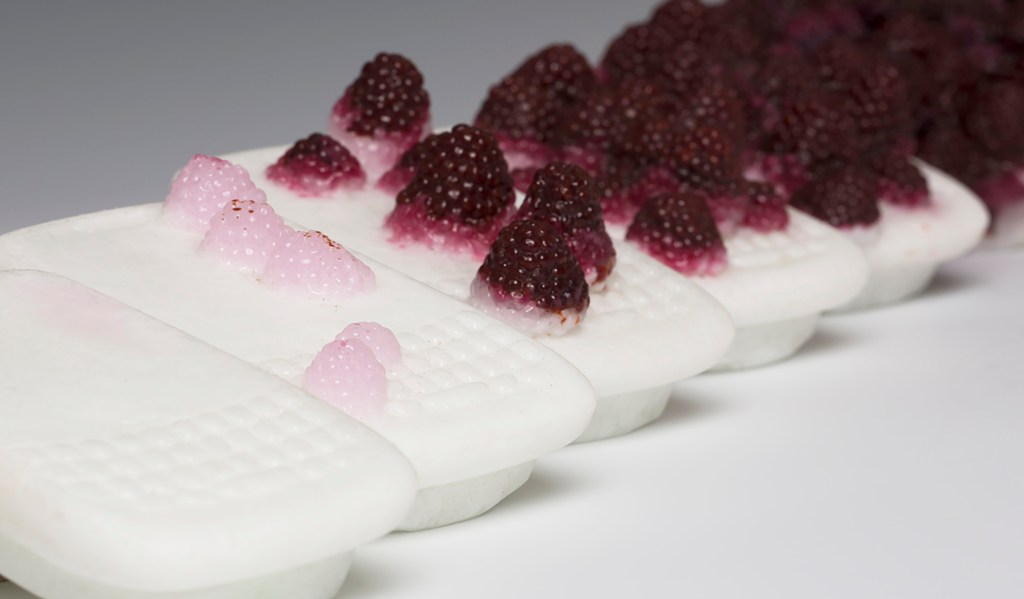
Many things I learned from sharing…

The ‘official end date’ of my residency at the London Cancer Hub was 31st January, and that day I held a ‘closing event’ at the ICR. Although to be honest, I will continue to work on these themes and use the learning from the residency in the immediate and the long term future, so it doesn’t really feel to me like the residency has come to an end!

There were multiple purposes to having the event. I wanted the opportunity to share back about how the residency had progressed with those who had contributed, to let them see the tools that I had used to make sense of the experience and to show them some of the prototypes and the samples that I had created as part of the work. I also wanted to introduce others at the ICR (and potentially across the LCH) to the residency as obviously not everyone had come across me or my research. The location near the ICR reception and cafe would help with that. And finally, it would be a great chance for me to gather feedback from people seeing this work for the first time.

I was delighted that I was able to do all three things. During the course of the event, which lasted about 4 hours, around 50 people stopped to look at the work and to talk, and many more wandered by. I had surprisingly in depth conversations with about 30 people. It was really fascinating to be able to gauge and discuss people’s reaction to the work and the process. I also found out more about some research and support roles at the ICR that I hadn’t known about before. 

Below I have summarised some of the things that struck me from the many conversations I had with people visiting my work.

Representational vs metaphorical vs something else?

One very interesting strand of conversation was about how far the pieces were intended directly to represent the processes of a specific element of the cancer ecosystem. I talked about how, from my perspective, I have drawn out ideas, themes and metaphors from the discussions I have had, that I have experimented with these ideas and themes in different ways, but that I am not aiming to illustrate scientific processes.

Several people asked me what the base sphere structures represented. I explained that I think of them as potentially being any of: abstracted cells, abstracted tumours or abstracted bodies. I also observed that spheres are often the starting point for my work. I ended up in an interesting conversation about how organoids look (organoids are structures grown in the lab that have some characteristics of real organs and are therefore useful as an alternative to plain medium), and concluded these pieces could also represent abstracted organoids. To me it feels quite important that they could be any of these simultaneously and are are not specifically one thing or another. I like the idea that people can take meaning from them in a way that makes most sense to them. 

Another conversation about how far the work was representational centred on my choice of black for some of the dendritic patterns and the ‘cells’ themselves. I said that I had been inspired by the convention around extreme hypoxia being very dark or black. I was challenged about this in relation to the fact that the vessel growth, being on the outside of the structure, would surely be red (highly oxygenated) not black. My position was – and is – that I am not creating something literal, and that, even if i decided to do that, these samples were anyway potentially components and I was unclear at this point whether they could be inside another structure or how they would be grouped. And, of course, the structures themselves, despite the fact that I sometimes refer to them as cells, are not in any case determined (see above), and therefore it is impossible to be ‘accurate’ about a representation. 

This whole conversation confirmed categorically for me that for me this work is not intended to be representational of any specific scientific process or entity and that the pieces are not designed to be illustrative or ‘correct’, Instead my aim is to draw on ideas, present them visually in different ways to stumulate thought and questioning. And whilst maybe I will convey some of my intention and thought process through the pieces, I also want to allow people to interpret the pieces according to their own experiences. I am mindful, for example, that some of my inspiration comes from patients as well as scientists, and that I have deliberately been pursuing their subjective and highly individual imaginations to inform our conversation. However, I need to keep in mind is how far the pieces – in their context of the cancer ecosystem – may be taken as if they are representational and what this might mean for how they develop and are displayed.

I was also asked about the Winged Thing and whether and how the metaphor might be explained. Would I have a caption or a label if I was exhibiting this in another context? I am to some extent undecided on that, and the context would itself be key. These pieces a) are prototypes and b) might be used as part of a composition and c) may yet change signficantly in their final incarnation, and with these factors in play, that is not a decision I can take at this point. However, I do think that if I want people to understand the metaphor specifically as mechanism of cancer then an explanation either as part of the artwork or explaining the artwork alongside would need to be a consideration.

Cultural references

I was surprised that several people referenced films when describing how they thought about some of the pieces. Star Wars and also Harry Potter’s Quidditch ball came up when talking about the Winged Thing. Spider Man and his black suit in Spider Man 3 came up in relation to the ‘tar’ overgrowth piece, particularly in connection with the idea of being gripped by something you can’t get out of.

Aesthetic and/or emotional impact

One of the things I was particularly interested in getting feedback on was whether these pieces created any emotional impact. Sometimes this came up spontaneously in conversation, and other times I raised the question of how people felt when looking at them as part of a discussion.

It seems to be having taken stock, there were a wide variety of responses. A couple of people said that they appreciated them aesthetically but did not have any particular emotional reaction. Several times people reacted to the largest dark piece and the tiny black piece by finding them ‘menacing’, or ‘threatening’, or ‘sinister’. These reactions mirrored the response I got from the Art for Social Change artists too, with whom i had previously shared some images; some people found them quite ‘shivery’ whereas others are unmoved. Very interesting. 

One reaction I had was from a PhD student studying pathways in sarcoma. He said that he found one of the pale pieces much more sinister than the dark ones, as the growth around the outside was much harder to differentiate from the body of the piece – from his perspective, cancer is like that – hard to discover, hard to separate from the body, stealthy. We talked about how cancer is so much part of you, and I resolved to think about this more going forward as it chimes with my feelings about how cancer is intimately part of one’s own makeup and particular to you as an individual.

Also as part of the exhibit, I had prepared an exercise with ‘lace’ or ‘lattice’ piece. I asked people to jot down a word or two about what they thought when they looked at it, vs what they felt. Here is the outcome of some people’s contributions. An interesting mix and once again food for thought.

Colour palette

Many many of my visitors asked me why I had chosen the monochrome palette that I did for these pieces, and I explained as above that the starting point had been hypoxia. However, I got a strong feeling that people would be interested to see these or similar pieces with some colour. It set me thinking about whether I would too. Perhaps the next iteration will feature some other tones?

Two ecosystems side by side?

One of the more complicated things I ended up reflecting on as a result of the conversations I had about the project was the ‘success’ or otherwise of looking at these two ‘ecosystems’ side by side. This is something I have been wrestling with throughout the project and talked about in my research interviews also. At this event, I was challenged about whether the LCH could really be considered to be an ecosystem in any way beyond the fact that anything on earth could be considered an ecosystem. Wasn’t it just, like most things these days, an example of a network rather than an ecosystem? 

On this point I would argue that the LCH in fact is more of an ecosystem than, say, a network of aeroplane routes. The LCH is an example of a social system that is developing in an environment, where different groups of people react and change as a result of their interactions with each other and their environment. Some gain useful resources, make interesting connections and thrive, others don’t. In my view this can happen both in organisational and individual levels. So from my perspective, the metaphor of an ecosystem is a useful one to understand how the LCH might function and develop, and that is a matter of importance to those who believe that bringing the London Cancer Hub together is more than a set of buildings on a site and potentially could provide opportunities to collaborate more or better with the goal of preventing and treating cancer. 

At the event, I explained to people that a central question for me was to understand what could be learned from the exercise both from comparing and contrasting the ‘ecosystems’, and also as to how the two different systems might each have a place in the resulting artwork. I am coming to the position that ideas from the cancer ecosystem can be used quite successfully to interrogate the state of play with the London Cancer Hub but not necessarily vice versa. Using the ecosystem metaphor allows one to approach the idea of bringing organisations together in a system from different perspectives and ask new questions. What are the pathways, signals, and structures that are being created? Where are the areas of toxicity? How far do those work in a similar way to the biological systems? I am sure one can use these questions to help continue towards developing the LCH as a healthy, constructive and creative place to work together. However, it is much harder to see how contrasting the two systems works the other way around, using metaphors from the LCH to inform the research into the cancer ecosystem. And, to be honest, I am not sure I set out asking the relevant questions about how the LCH functions tso that one could apply the metaphors from the organisational, social and spatial environment of the LCH to see the cancer ecosystem differently. This is all part of the learning for me, and something I can set my mind to, going forward.

This event brought the formal part of my residency to an end, and in terms of this blog, it only remains to draw some of these ideas together in my next and last post on this project.

Visualising cancer (2)

Previously I wrote about my interest in how we visualise disease within our bodies and that one of my priorities as part of this project was to talk to people for my research who were, or had been, being treated at the Royal Marsden.

I was lucky enough to get the chance to talk to a small number of patients currently undergoing treatment or under observation. I am not recounting any medical detail that we discussed here; obviously I want to maintain the privacy of those who spoke with me. Rather I am reflecting on some of the more abstracted discussions about imagining disease that served as inspiration and provided visual ideas to investigate or develop further. And alongside these reflections are some brief observations about how the London Cancer Hub is experienced for some of those being treated there.

Visualising science

A couple of the patients I spoke to were particularly focused on understanding the science of their experience, although from different perspectives. One had been involved in research professionally, and continued their professional interest. Another was moved to research and understand as much as possible about the scientific mechanisms and processes governing their current experience. Both found the scientific information that they engaged with had an impact on how they imagined their disease. One had a detailed understanding of anatomy and felt that imagination and knowledge were generally in accord, whereas others had an imaginary world that might be influenced by their knowledge, but was not entirely at one with it. 

Visualising cells

In at least one interview, we spoke at some length about visualising cells and about imagining how ‘cells go rogue’. As well as discussing the scientific mechanisms as far as we understood them, more of the conversation was dedicated to how cells might appear in our minds’ eye. One participant described their sense of a small, dark, translucent, hollow globe that represented the cancer cell in their mind’s eye, a cell that was somehow coated in invisibility to the immune system. This contrasted with their vision of healthy cells as a beautiful pink, full of delicate and intricate structures.

Visualising tumours

I asked several of my interviewees whether they had visualised their tumour, or indeed seen images or scans of their tumour and mainly they had not. We discussed how they imagined their tumour within their body. We also discussed the presence or absence of a tumour that you could feel from the outside of your body and the impact that had on your imagination, for example, thinking about the convex and the concave. One person described initially thinking of their tumour as smooth like an egg, but then reassessing after being told that what identified it initially as potentially malignant was that the lump had broken up when excised. 

Because of this, eggs and broken eggs became really interesting metaphors for me that i would like to explore going forward. Eggs are both a site of growth – usually with a positive connotation although not always – and are also often used as an example of extreme fragility. These make powerful ideas to experiment with. I am planning on making a series of eggs and also playing with the japanese idea of kintsugi – the practice of highlighting imperfection through visible mending – alongside such pieces. 

Visualising connections

I spoke to all my interviewees about the London Cancer Hub in terms of any expected or unexpected connections they had experienced through being part of a larger entity than the Royal Marsden itself. Several people mentioned the relationships within the RMH between Chelsea and Sutton. Others discussed referrals from other medical institutions and the relationships between their local hospital and the RMH.

With more than one patient I discussed their experience of using the Maggie’s Centre on the LCH site. They were extremely appreciative of the support they received from Maggie’s, and in particular the patient groups that Maggie’s facilitates which connected them with people who were going through or had gone through similar experiences. 

With one patient in particular we went on to explore the idea of all the connections in a more abstract way. We spoke of bubbles, ripples, radial relationships and concentric circles. They spoke of Boolean searches and intersecting search terms and I replied with Venn diagrams. One of the striking features of the London Cancer Hub is not only the relationships within it but also so many relationships that connect it to other institutions, organisations, groups, both formal and informal. This conversation brought home to me the extent of the network that the LCH sits within.

Visualising ecosystems

We mostly didn’t get on to talking about the comparative ecosystems of cancer and the London Cancer Hub, but there was one exception which I want to record here because I particularly want to come back to it in thinking about sculptural compositions in relation to where this work takes me in the future. This was a conversation where my interviewee observed that one comparison between the two was that cancer was a system characterised by proliferation and spread, whereas the LCH would be characterised instead by unification and concentration. Somehow this had completely escaped me up to that point. It was, and remains, a very useful and potentially productive observation for me to carry into my artwork.

The LCH visiting experience

When I spoke to patients about their experience of being at the LCH as a visitor there was pretty much consensus that their experience was not of the LCH at all, but of the Royal Marsden. Mostly the RMH was the only place they went to on site, but even those who visited Maggie’s were not conscious of any broader idea of collectivity than that Maggie’s was co-sited with the hospital, as Maggie’s Centres generally are.

I asked all the patients i spoke to whether they were aware of other organisations on site. In most cases we immediately got onto conversations about getting lost. More than one patient had become aware of the ICR by entering the site through the ‘wrong’ entrance and getting lost. More than one patient had also got lost trying to navigate the site to find Maggie’s from the RMH. Another had seen the signs for the London Cancer Hub and was confused as to what that was.

It is clearly early days for the LCH and its also true that patients do not necessarily need to know that the hospital they are visiting is part of a larger entity, but it is something for the LCH folk to think about going forward. More than one patient mentioned the benefit of being part of a hospital involved in clinical trials and at the forefront of treatment and the RMH’s alliance with the ICR and other organisations at the LCH might be reassuring or helpful in some other way. 

And more than that, the site is confusing, signage is not sufficient or consistent and people get lost. It was oddly comforting to know that it was not just me. But it points to back to the lack of coherent planning across the site that is currently a feature of the LCH.

Other kinds of maps

Towards the end of the residency, one of the things I wanted to do was to share back with those who had contributed some of the process and outcomes of my time working at the London Cancer Hub. So we planned an event at the ICR to do just that.

I was finding it really complex to work out how to convey all the thinking that I’ve been doing during the residency, and then my fabulous colleague, Siobhan Kneale, who has been working with me on behalf of Sutton Council and Sutton STEAMS ahead, suggested putting together a mind map. 

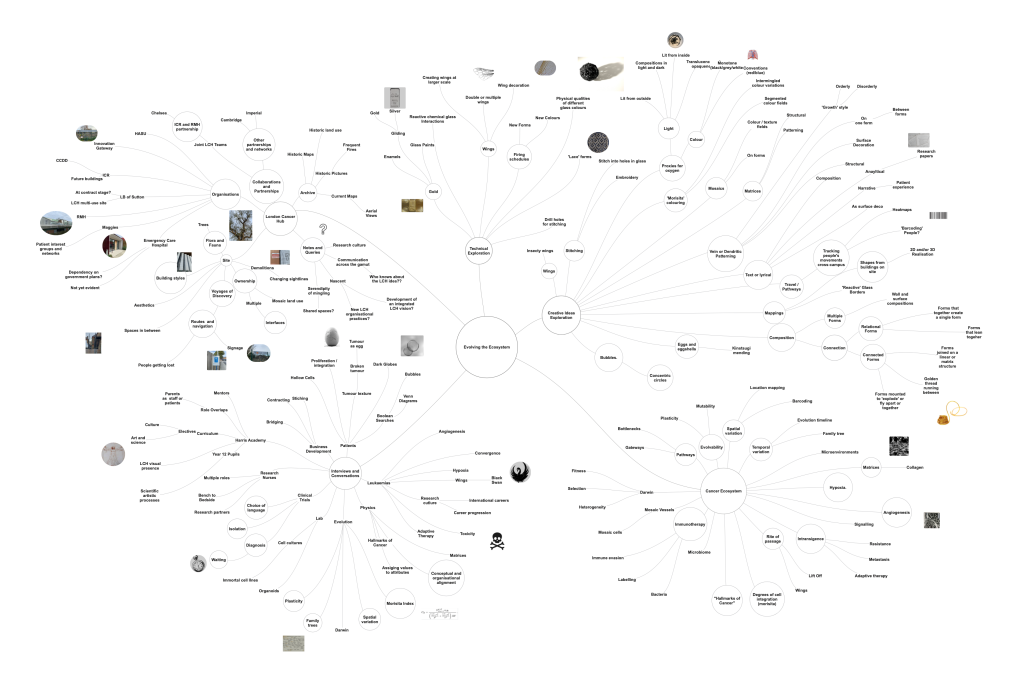
I did, and it grew, and grew, and grew. Here it is in its semi-final form. It has proved an invaluable way to organise my ideas and to record my thinking. It doesn’t follow a single type of categorisation – the joy of a mindmap is that I can set creative ideas in the same context as noting ideas about the two ecologies and then branch into glass techniques and technical exploration. It is very much a personal record rather than any form of analytic, and highlights not everything I learned but those things that stuck out to me.

I also put together a map of metaphors according to how closely I found them to apply to the London Cancer Hub, the Cancer Ecosystem or both. Not a scientific process, more a finger in the air type of approach, but it will be useful to me nonetheless in capturing my thinking and shaping potential artwork.

I prepared prints of both of these for the Closing Event to share with participants and anyone else who might be interested…

Experimenting with angiogenesis (2)

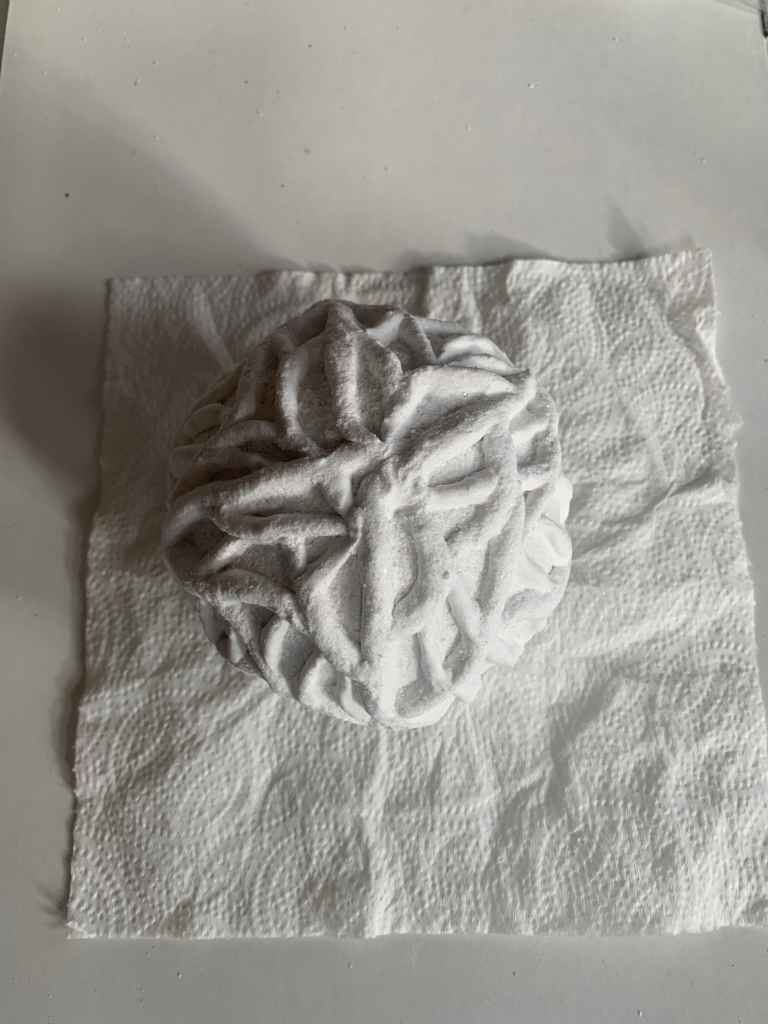
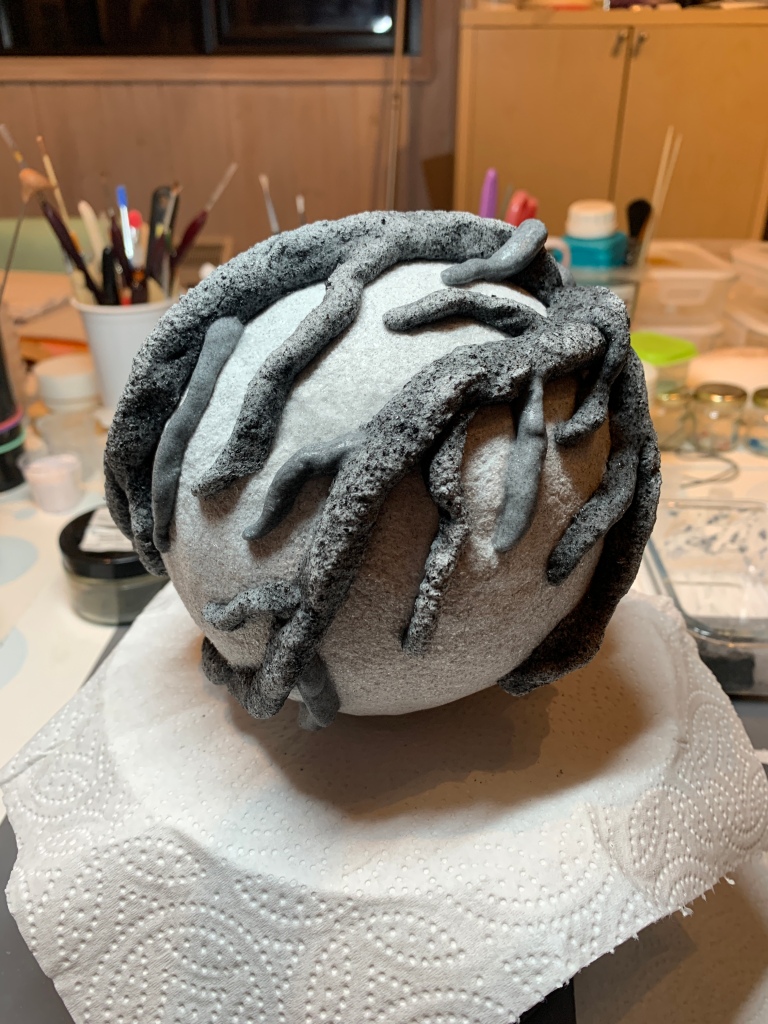
After making the ‘cell’ structured from ‘veins’ I tried a number of different approaches to applying vein-like patterns to the exterior of a cell structure. I wanted to try degrees of visual order or chaos, and to see how these effects looked in different tones – dark veins on pale background, pale veins on pale background, dark on dark etc. I also wanted to assess impact of variations in size. So i made a selection of other ‘dendritic’ cells to compare with the initial cell described in a previous post. Here are some images of the making process for these.

And here are some images of the finished cells

I also made a small sample of a potential flat panel featuring an image of a tangle of blood vessels with gilding added, representing something of a golden thread or pathway through the tangle. I went on to make three larger sample panels which became a series of three with the gilding ‘moving through’ the vein tangle and spreading across the panel.

Panels waiting to be fired for the first time before gilding

Working with different approaches to some of the same theme has felt very productive for me. I have got to assess creatively and technically which types of surface are most successful and most expressive. I also plan to gather some feedback from others as i begin to share the work to get a sense of what the different patterning and finishes convey to those who see them…

Finished angiogenesis text panels

Planning a workshop

A few weeks ago when I was over at the Royal Marsden I met up with the Arts Officer there, who is both creating an amazing arts programme for hospital patients and also curating and refreshing all the artwork that is displayed around the hospital. I’ll pop up another post with some images from our tour around the hospital at some point soon, but I wanted to record here the ideas we had about involving some of the clinicians who could give a perspective on the idea of the Ecosystem of the London Cancer Hub. The idea of running a workshop for Research Nurses emerged as they are central to the idea of ‘bench to bedside’, which is the intention to create a smooth transition to and from between research and clinical trials or treatments, an idea that feels to be at the heart of the idea of a London Cancer Hub ecosystem. You can find out more about Research Nurses here and about an example of ‘bench to bedside’ here.

After some drafting and conversation here’s the flyer that resulted. I hope it will be a fun experience for some research nurses as well as an opportunity to find out something of their perspective on the ecosystem. The flyer has gone out, and though as yet there are no bookings I am hopeful there’ll be some interest a bit nearer the time!

The role of metaphors

I think I may have already shared that something that particularly interests me for this project – and in my wider work – is the metaphors we use to explain things. Some of these metaphors are so deeply engrained in our language that we no longer even notice they are metaphors. However, when you are an outsider trying to understand something new, the metaphors somehow stand out much more clearly. That’s one of the things I particularly enjoy about working with scientific themes as a non-scientist – the metaphors tend to stand out loud and clear.

One of the principle ways that I am approaching this work is to identify some of the key metaphors that explain cancer as part of a living ecology and the processes that form part of that ecology. That’s why it has been such a joy to be able to talk to the researchers who are doing this work, and not just read scientific paperwork. Although research papers do also contain many useful metaphorical ways of describing their content, I tend to find the richest language when in conversation face to face where we can explore the ideas that emerge in more detail and I can follow particular paths to see where they lead. The wonderful Professor Sir Mel Greaves, who I have been lucky enough to speak to as part of this project, observed that he finds he uses metaphor extensively when talking to a lay audience as he finds this is a most effective way to convey his ideas with real impact.

My hypothesis is that using these metaphors in my artwork will also communicate some complex or unfamiliar ideas more intuitively. That’s where I’m headed with this work and many of the following posts will be based around the metaphors that I’m interested in understanding and pursuing.

The Z Stack

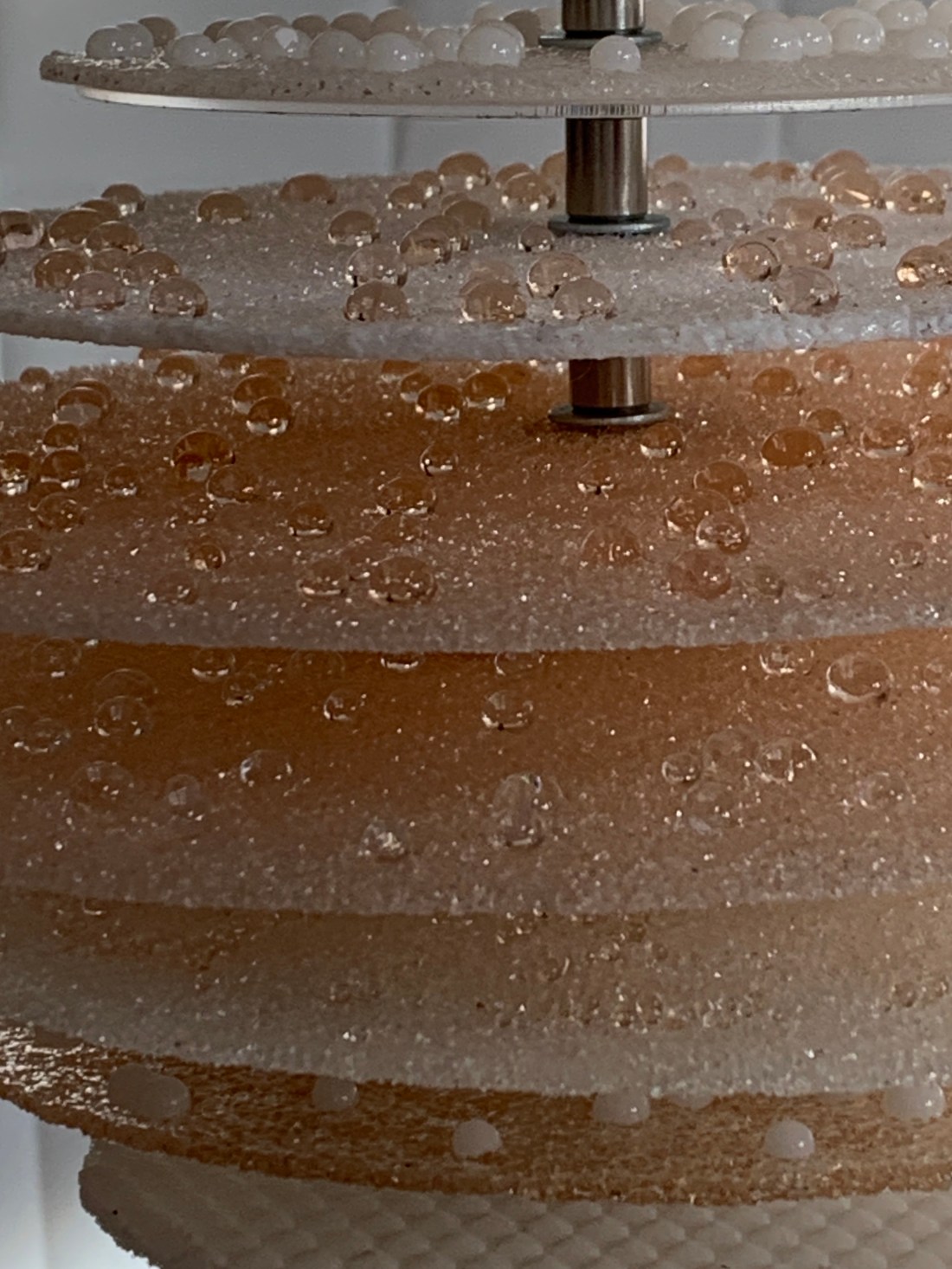
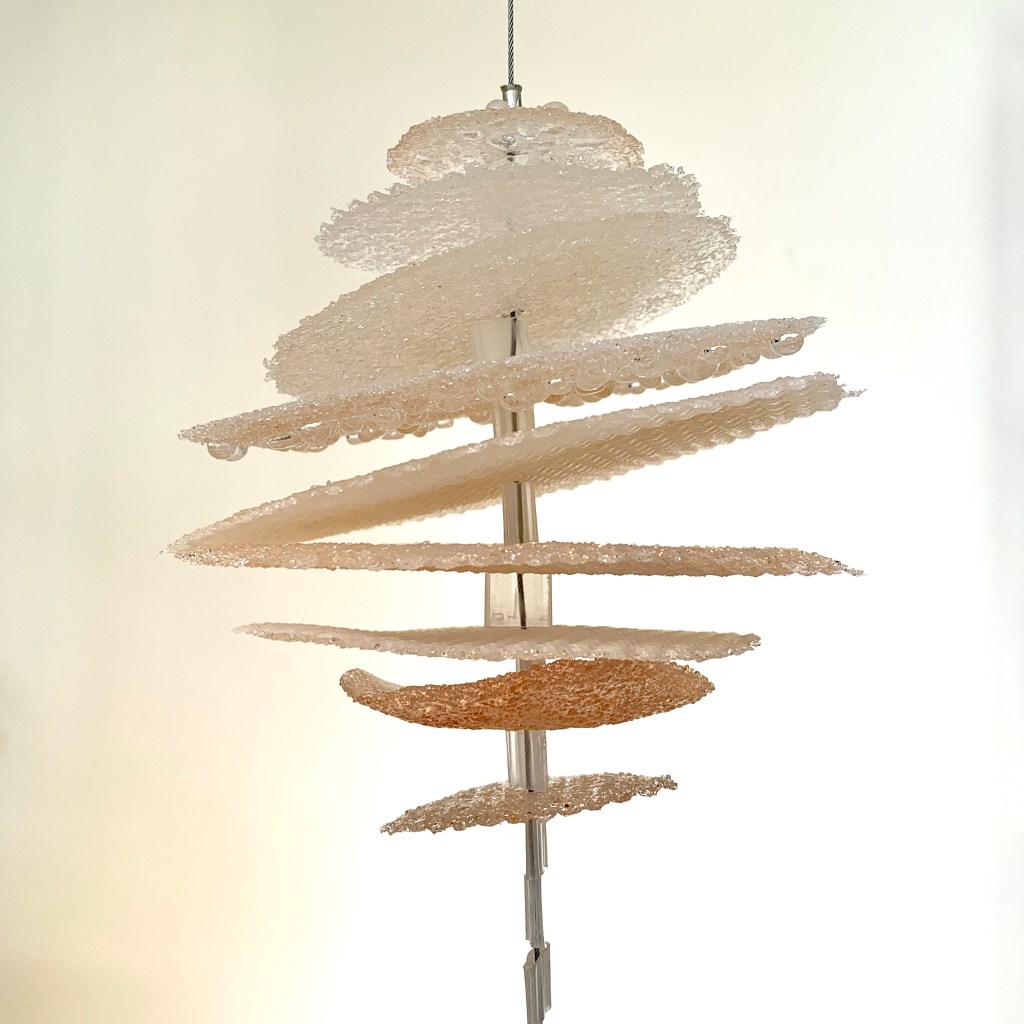
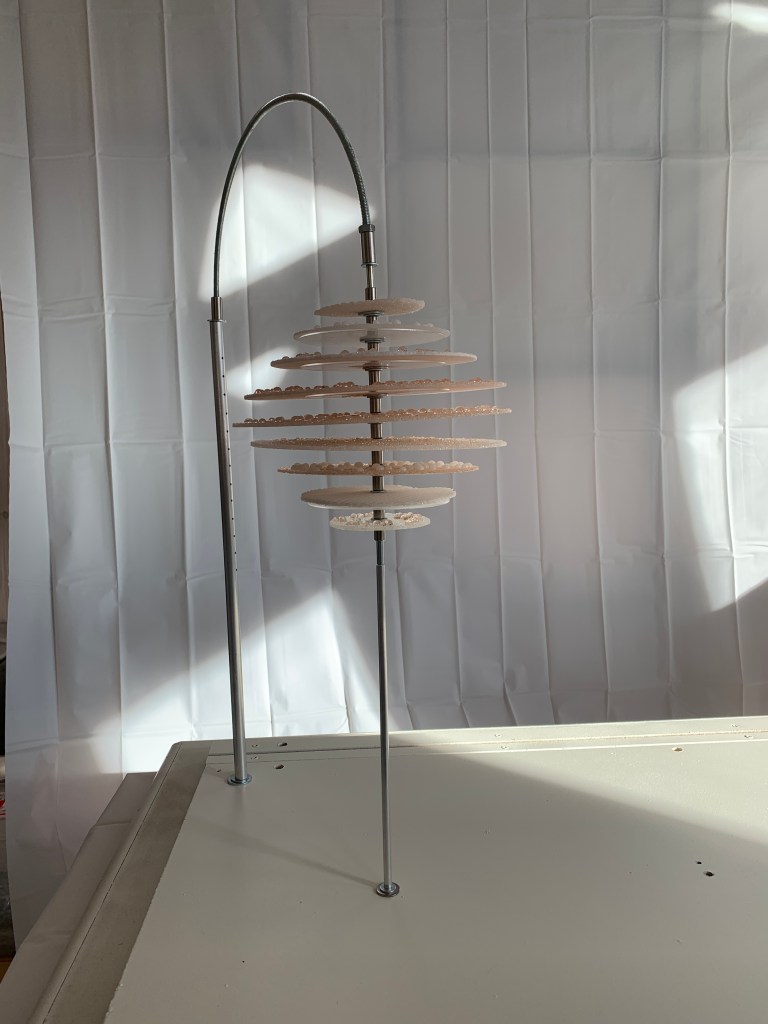
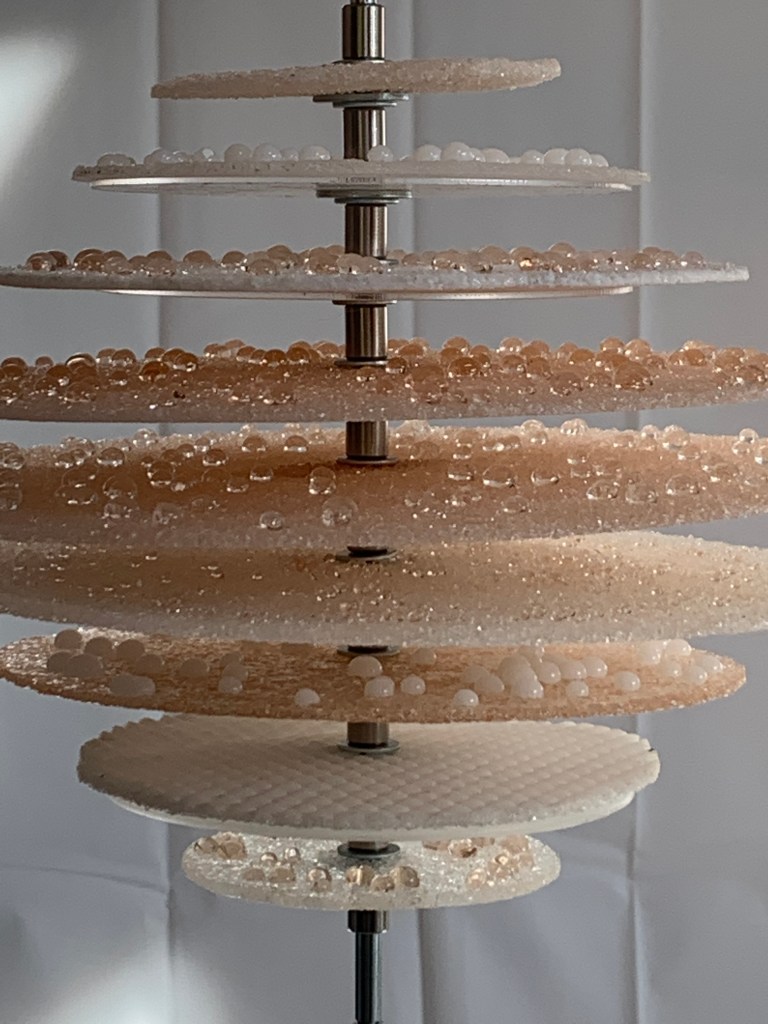
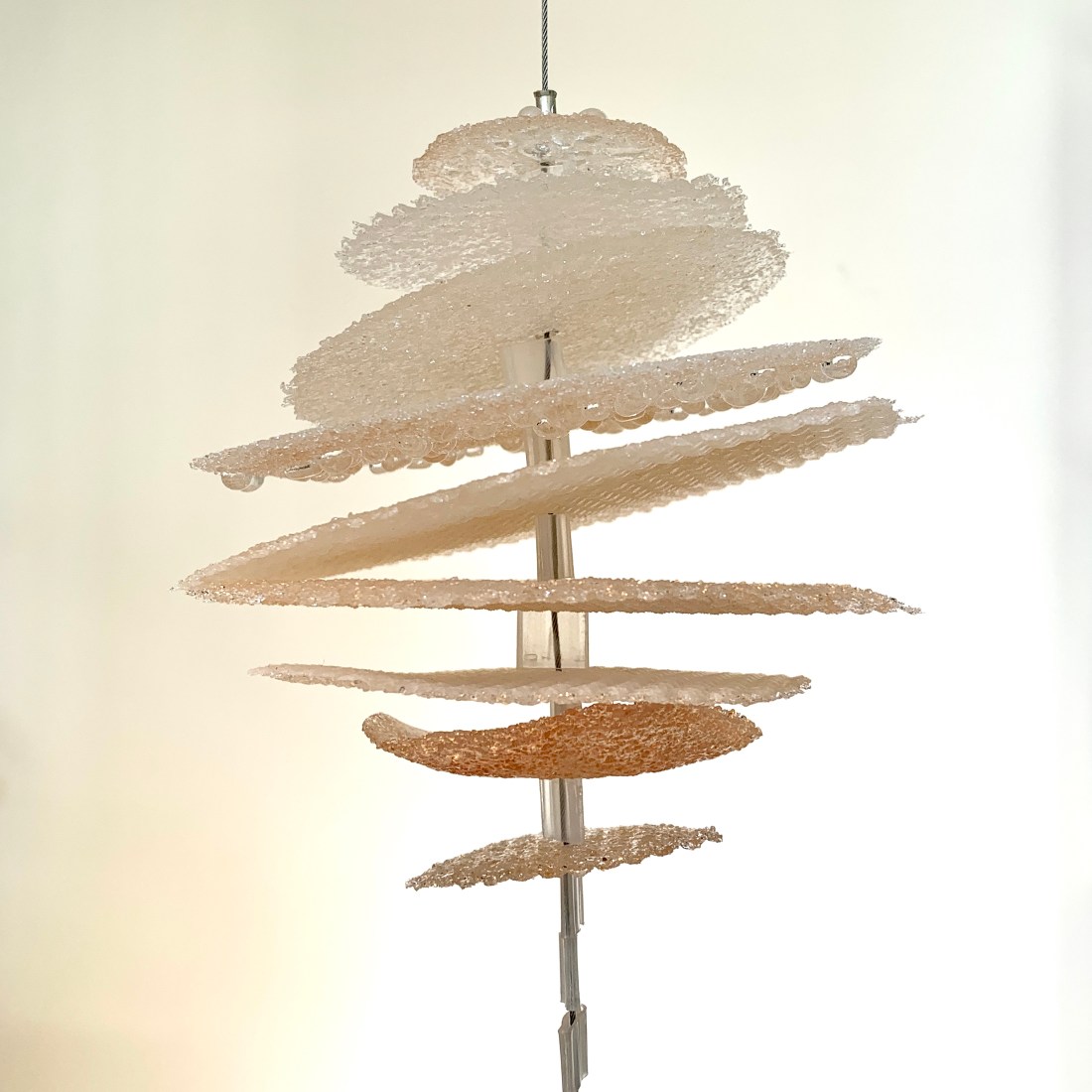
As well as the vesicles, a major glass element of the sculpture was the Z Stack, as I like to call it. This is a form made from ‘slices’ of glass, each with a different colour or texture, that when mounted together suggest a three-dimensional form.

The Z Stack was an element that came to mind very early in the process during my visit to the labs, when Arindam explained to me how the images of the ‘spheroids’ of cells were constructed. The confocal microscope could be instructed to scan multiple layers of a three dimensional object, and would then build an apparently three dimensional image from the slices it had scanned. The number of scans that go into constructing the image would then affect the resolution of the object and also the time to create as well as the ultimate file size.

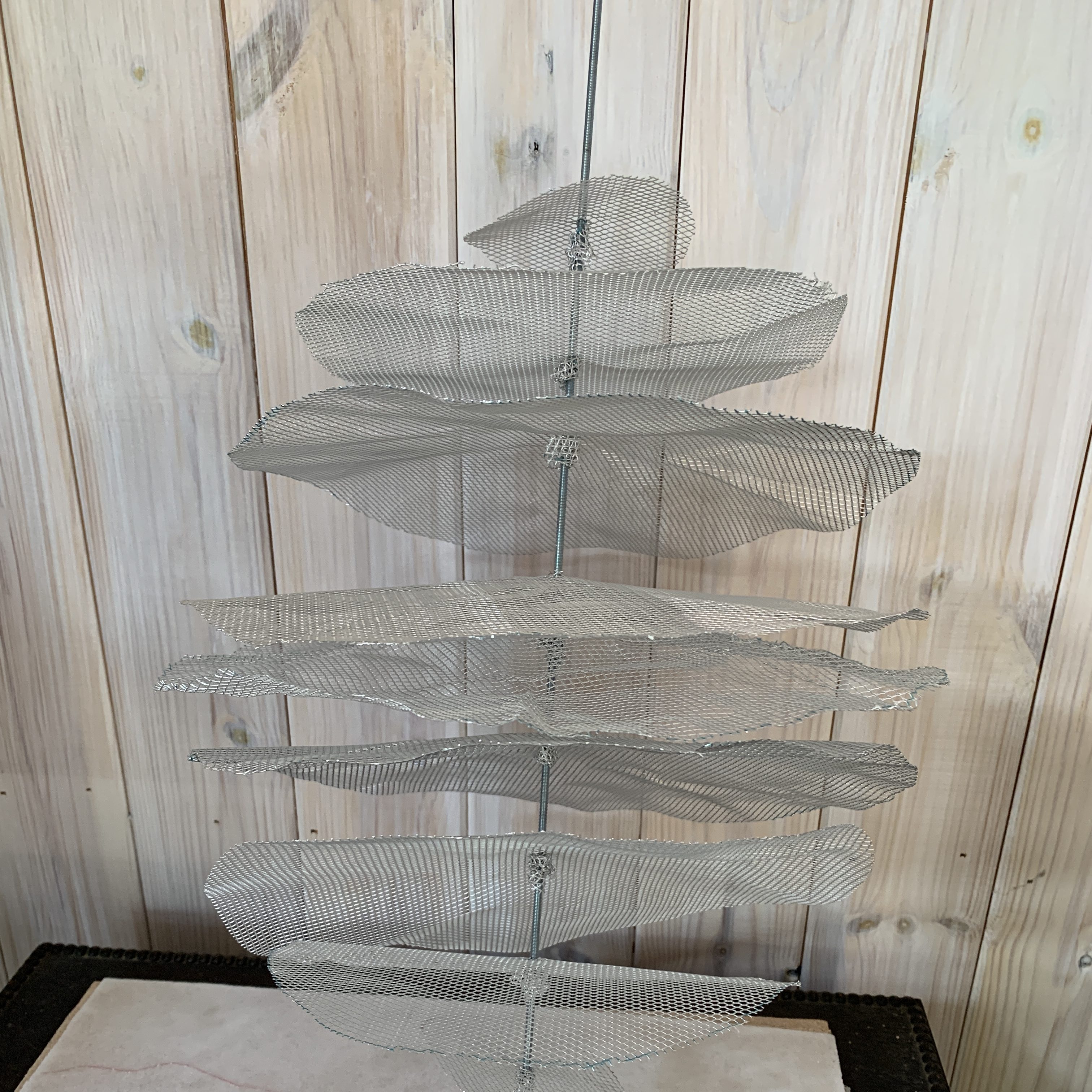
A non-glass mockup of a Z Stack – my first experiment with the idea

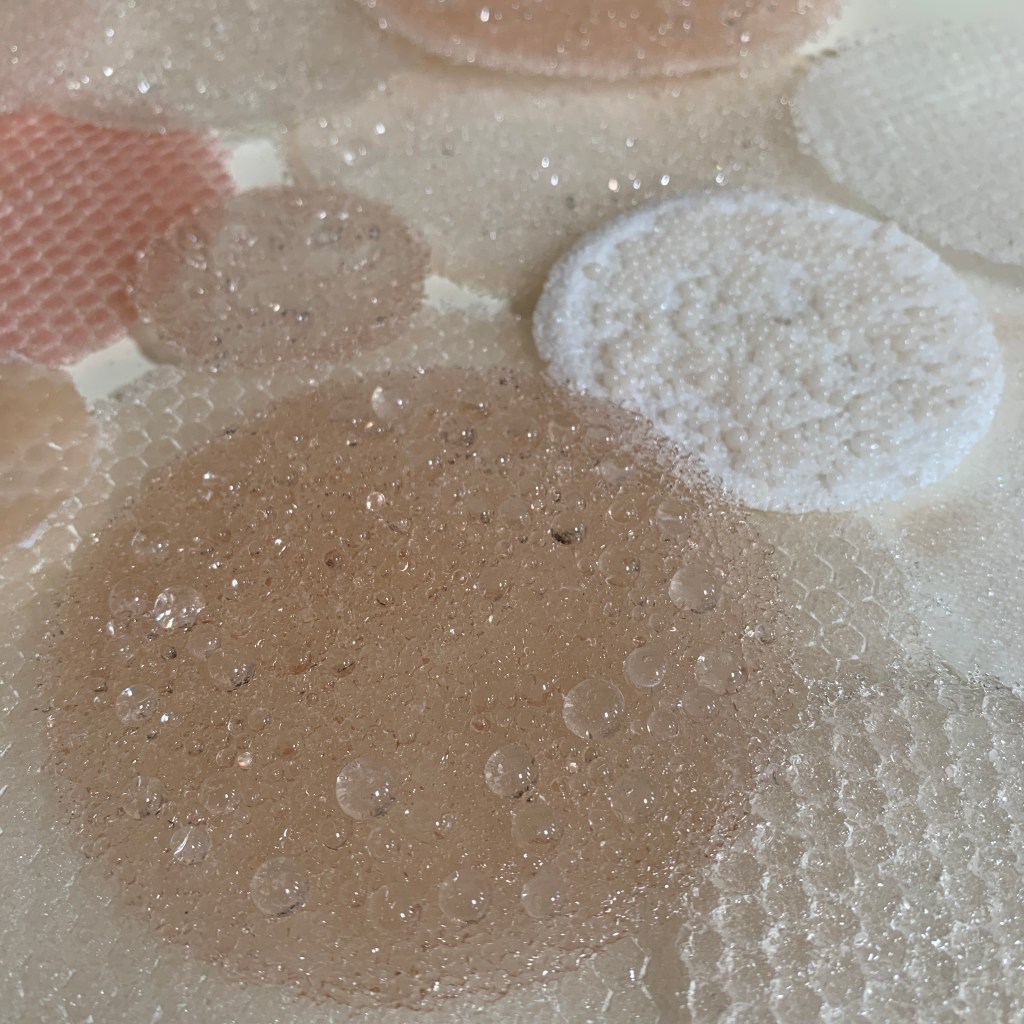
There are two main textural types of slice in the Z Stack – those with ‘miniature vesicles’ on the surface, and those which have a honeycomb structure. The honeycomb is the one reference in the piece to the original source of the peptide, the Amazonian wasp.

I wanted to create an analogue analogy for the Z stack, to create a 3D form from slices, and from that my Z Stack was born. Initially I thought it might be interesting to make the slices ‘floppy’ to accentuate the departure of the analogue from the digital counterpart, but aesthetically I found it confusing and cumbersome. I also wondered about offsetting some of the slices from the horizontal, but again this appeared to confuse the communication of the idea.

In the later stages of construction, I continued to experiment, but this time with the number of slices to see what worked best in creating an outline form. Below is the version with 9 slices.

I ultimately settled on 11 slices as giving the most pleasing form.

Working with research materials

As soon as the idea of a diorama came to mind, I felt that the backdrop should reference the research project itself, not just the scientific concepts and phenomena that were the subject of the research. When I discussed this with the team, they were all enthusiastic, so I started working on the kinds of materials I wanted to include.

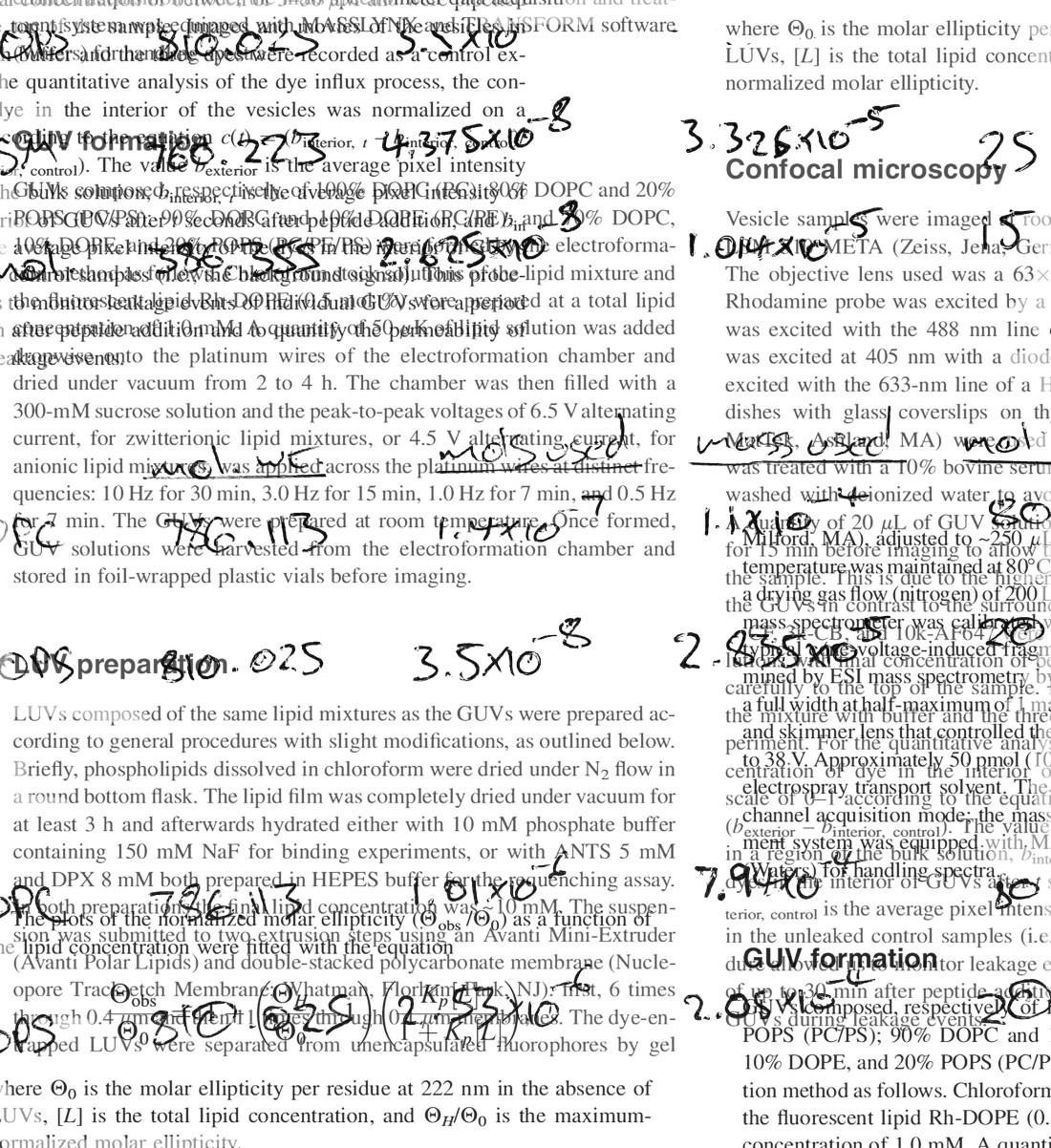
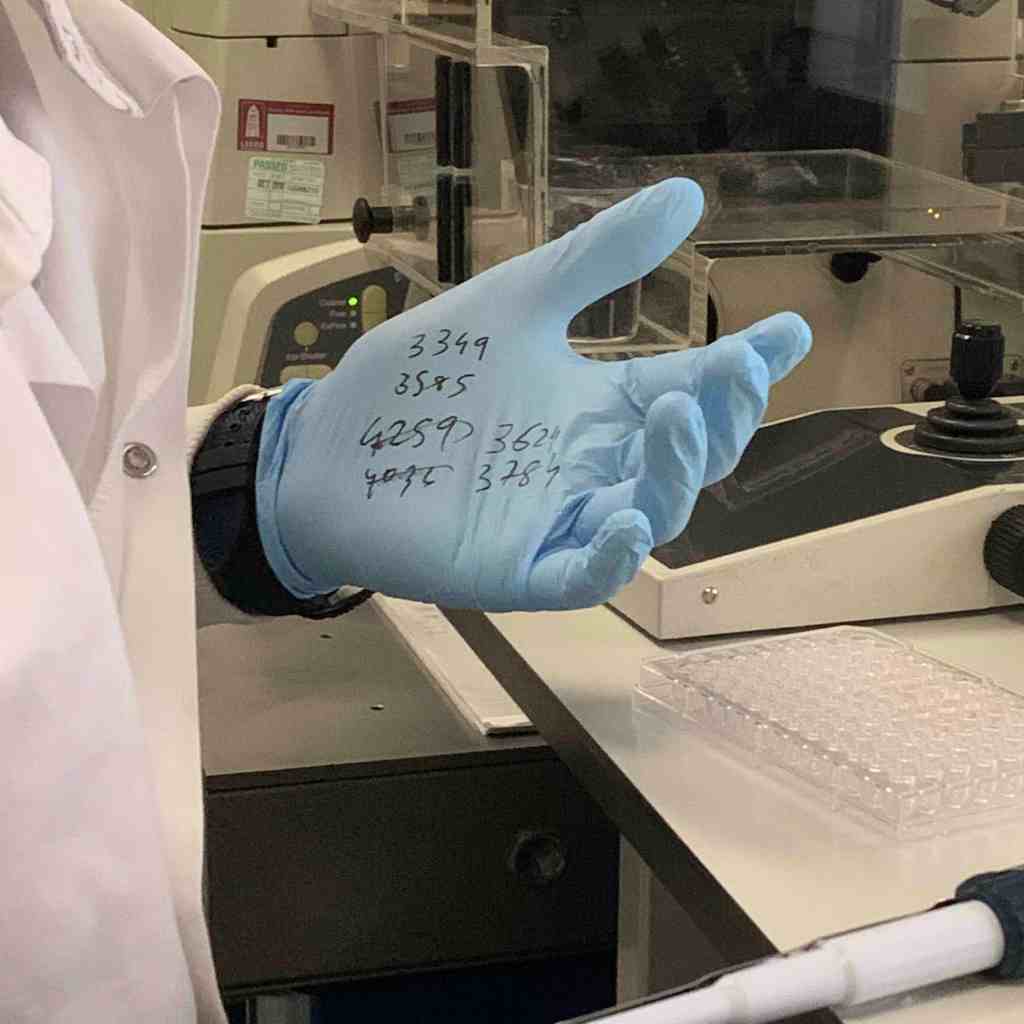
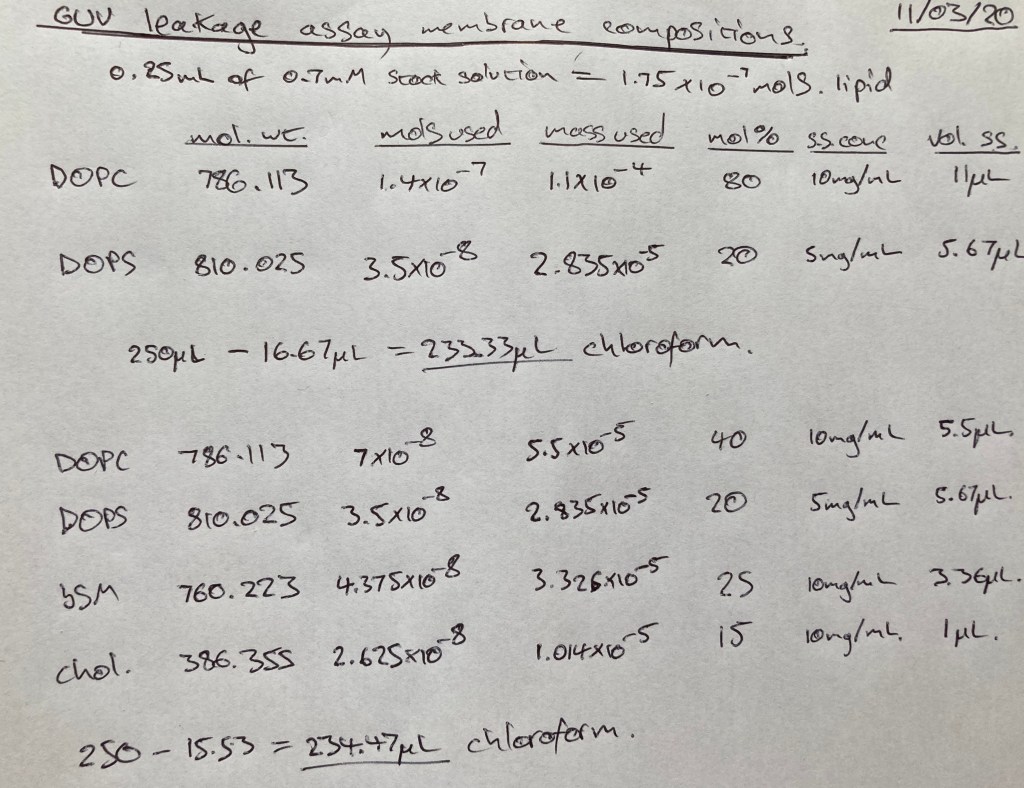
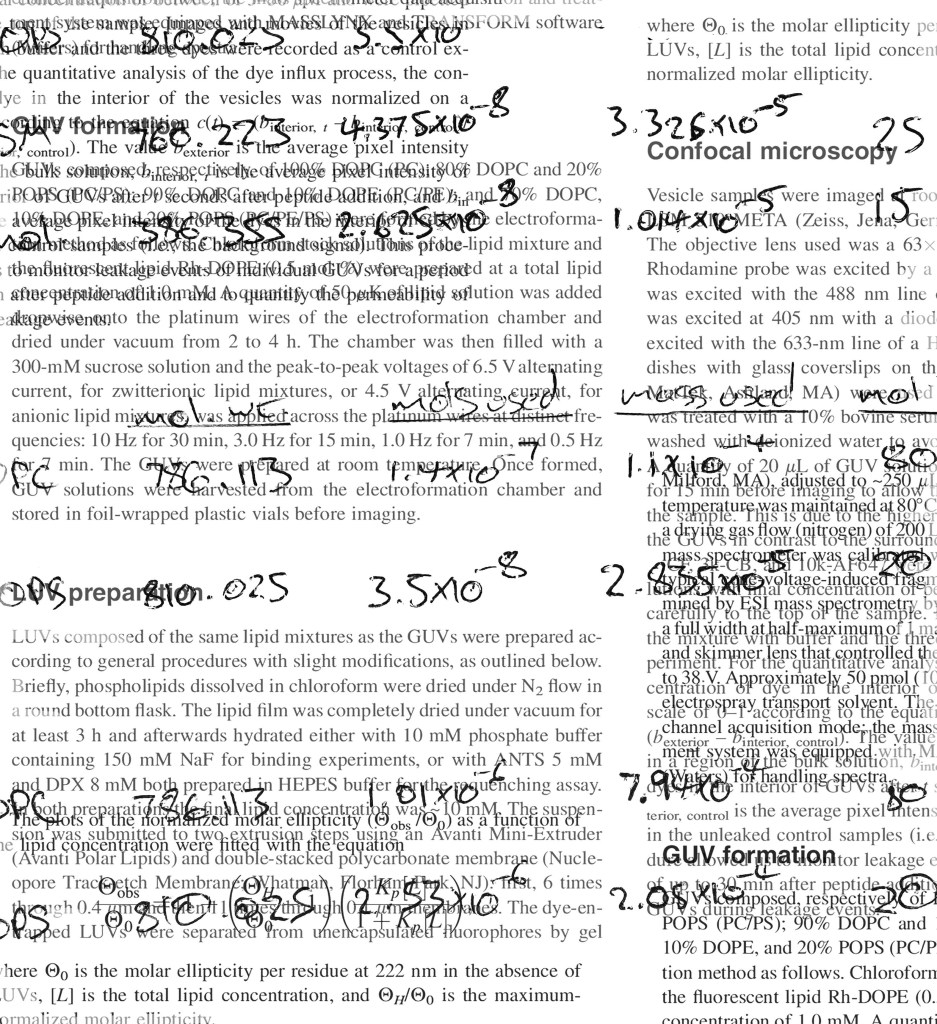
During my visit to the lab, I had been very struck by all the handwritten calculations that formed an active part of the experiments that I was viewing. For me, this not only references an important research activity, but the handwriting also emphasises the human hand involved in the process.

Andrew kindly agreed to provide me with some of his calculations.

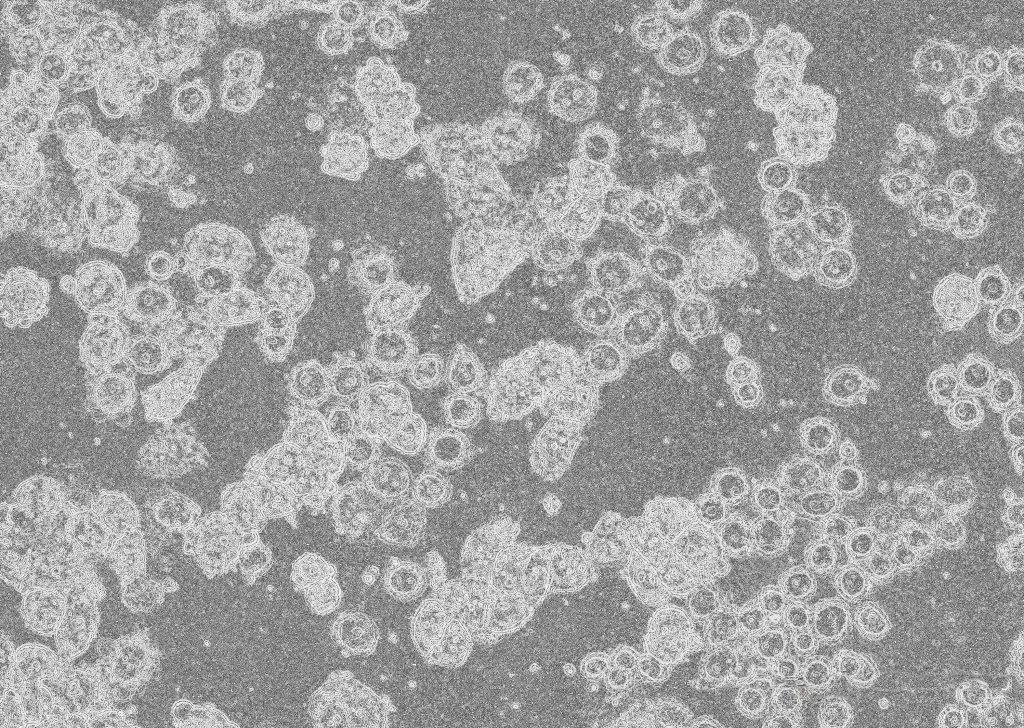
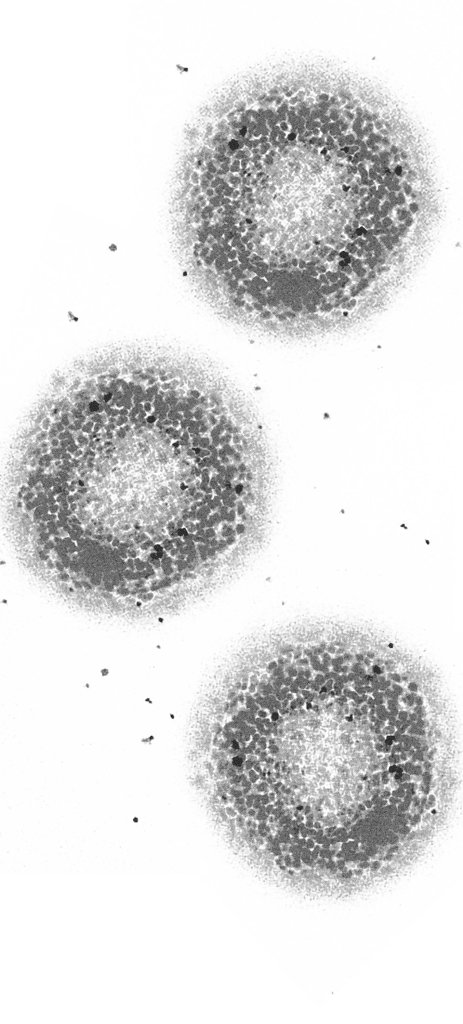
I also wanted to use images of cells that forms a central part of the research, so trawled through a number of different types of microscopic images searching for the ones I thought would work as part of a diorama. My intention was to create a layering of information and data that reflected different parts of the research process and different stages of development of the project.
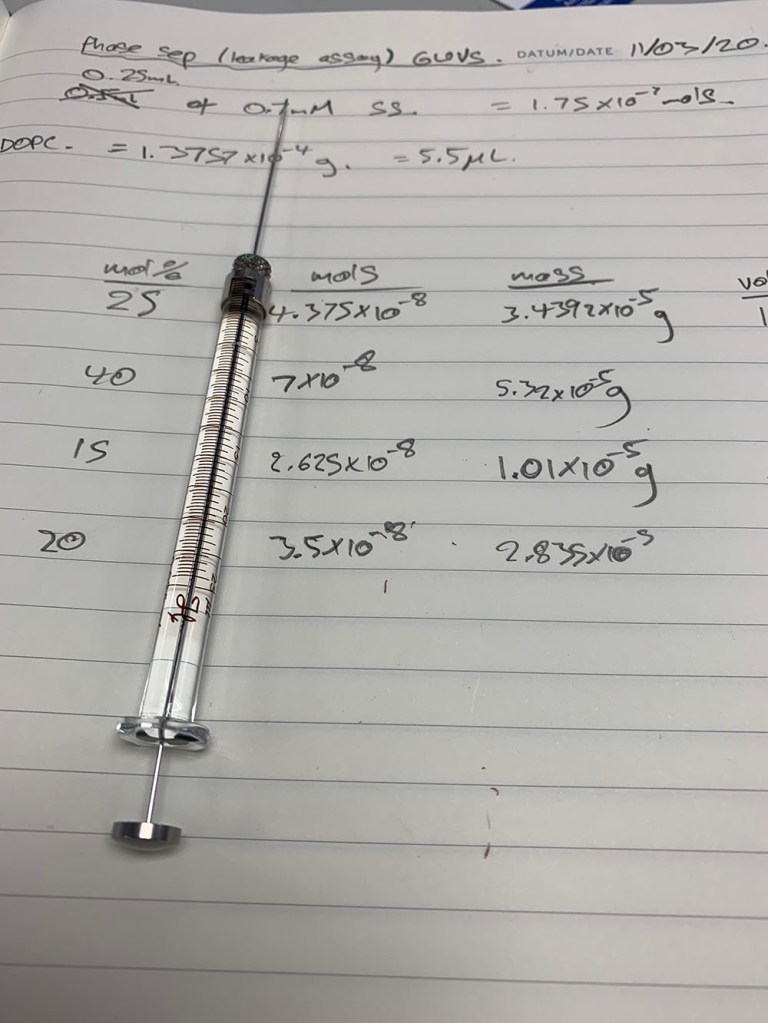
During various conversations with Paul and Tom we had talked about issues in scientific publishing. This was something I had an awareness of since my involvement with the Royal Society’s Research Culture project that had spawned the Museum of Extraordinary Objects, but it was brought home to me the critical role that science journals play in the dissemination of knowledge, and the complex and – to me – unsavoury considerations that can determine who gets to see the outcomes of research. As an independent researcher I am only too aware of the paywalls that inhibit people’s access to information and the high cost of getting hold of many articles. See this Guardian editorial if you want to be horrified by the economics of the science publishing industry model.

I was delighted that one of the articles that sets out the initial premises of the project was Open Access (although I was disturbed to learn that academic institutions have to pay publishers to have their articles Open Access). I determined this would form another element of the diorama backdrop.

I discussed with Paul the issues around editing and processing the research images to create the effects that I wanted, and he was sanguine with the images being changed as this was for the purposes of creating an artwork rather than for scientific purposes. So I set about processing the images and ended up with three elements for the backdrop.

The backdrop images were printed and mounted on transparent or translucent acrylic sheets. This mounting would allow different levels of visibility and layering from different angles and under different light conditions…

Making vesicles

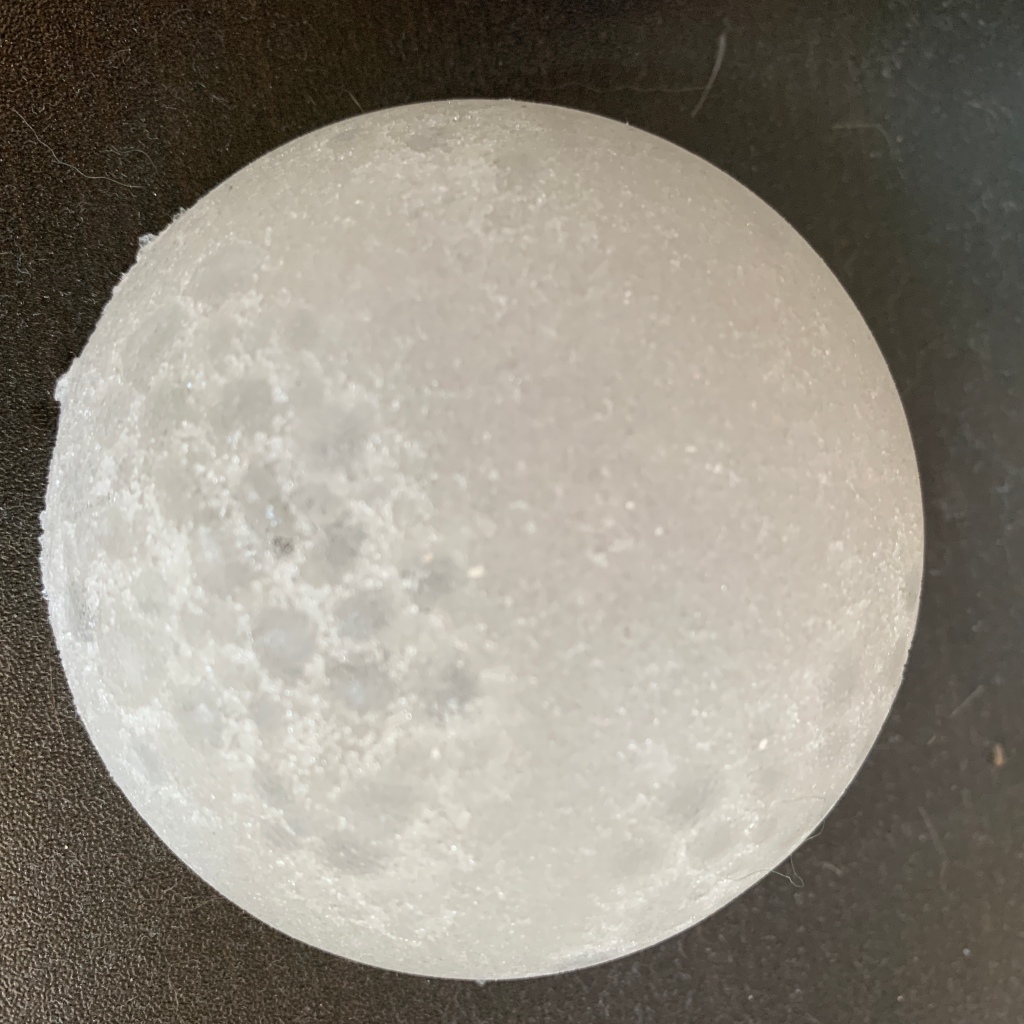
I knew from quite early on that I wanted my ‘natural history’ diorama for the peptide/membrane project to feature several globe forms which inspired by the vesicles / cell membranes under the influence of the peptide. (The peptide itself would be invisible – only detectable in its effects).

The vesicles were not intended to be a scientific representation, but more something between an evocation and an abstract sculpture. Having said that, there were a number of concepts that I had found really interesting from the time I spent in the lab that I wanted to inform the development of the vesicle elements, so I set about playing with ideas and techniques that would take on those ideas.

Creating Surface: While I was in meetings and labs with the team, I kept hearing about phase separation. In fact, to begin with i wasn’t sure if i was hearing about ‘phase separation’ or ‘face separation’, but that was soon cleared up! During my time in the labs i looked at images and heard more about this phenomenon in cell membranes and was fascinated by the confocal microscope images that illustrated it.

‘Spotty’ vesicle showing phase separation – image captured by Andrew Booth

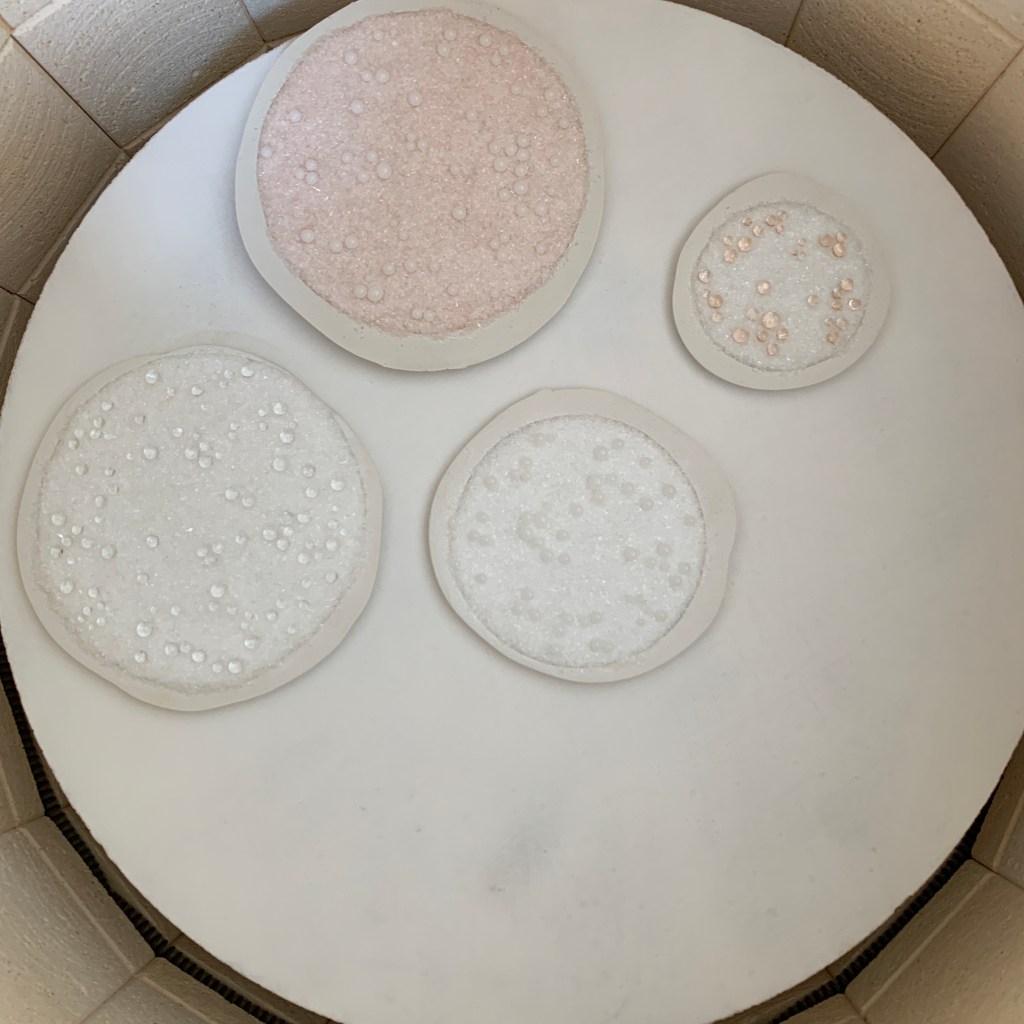
I started to play with frit balls as a way of creating different surface effects within pate de verre. Frit balls are small granules of glass which are heated in the kiln to contract into little balls. I started to incorporate different sizes of frit balls into pate de verre samples in different ways – mixed in or adhering to the surface in groups. It was fun and I got some effects i really liked.

Once I had settled on some textures i liked, i started making vesicles. Initially I used rough textured spheres around which to make moulds, but I then moved onto using wax spheres that were smoother and easier to work with.

Colours: The first vesicle I made, i mixed up my colours and ended up with a vesicle with big pink patches which i hated. The plan had been for a much more subtle transition from white to a pale fleshtone, not only to evoke the biological but also in keeping with the overall palette that i’d talked to the Leeds team about, having seen the space and the way colours worked in the CRF area. This first patchy vesicle made a good test piece to try out the effects I wanted to develop using perforation, poration and metal mesh.

Through further experimentation and refining my process I finally got the three colours and textures of vesicles that I wanted.

The three final vesicles before I started drilling

Drilling: I decided to make the perforations in the vesicles by drilling into the globes rather than making the holes through the mouldmaking. Several reasons for this, including the likely strength of the ultimate vesicles and also the accuracy of the holes. I did, however, for the darkest vesicle, identify where i wanted the perforations to fall and created bulges around them as part of the model and mouldmaking process. Luckily the drilling went well and there were no breakages at that stage, which would have been heart-breaking as well as vesicle-breaking, as by this point, each vesicle represents many hours of work. Now they have been drilled, the white vesicle has no pores, the pale flesh vesicle has small pores, and the larger darker vesicle has extensive perforations.

So that, in a nutshell, was the development of the vesicle elements of the pieces. There’ll be more vesicle chat when I get to posting about the process of making the mesh elements that emerge through the perforations to create the overall effect of leakage, inspired by the action of the peptide…

Working, working, working

It’s been a long while since I last posted – which is not to say that I haven’t been busy moving forward with the project, just that I’ve been focused on the studio rather than the laptop! So this and future posts will start to bring things up to date, slowly but surely, to the point where I am at present, with all the glass elements made and about to start construction of the piece in earnest.

The first major landmark since the last post was bringing the team up to speed in May with the way I wanted to go with the composition of the piece. Having settled on the idea of a natural history vitrine, I took them through my initial ideas for a diorama based around the developing perforation of a series of vesicles by the peptide.

I felt somewhat hampered by the necessity to have the conversation by Zoom rather than being able to talk in person and bounce about ideas and look at samples; we had initially imagined that I would go back to visit them in Leeds during May, but as lockdown was still very much in place, that was not an option. So Zoom it was.

I constructed a brief presentation to take Paul, Andrew and Arindam through my thinking and to show them some of the samples that I had been making. It culminated in a rough and ready construction collage of the basic elements of what I was proposing. Here are the slides from the presentation to give you a sense of what I was thinking. There’s no text, so it’s not totally self-explanatory, but it does give a sense of the elements that were coming together in my thinking in May.

We had some great chat as a result of talking through my ideas which have led to more concrete developments. Arindam uploaded some images for me from his research process – some spheroid experiments and some cell images – which i am working on to be a backdrop to the piece. Andrew has provided me with some more of his handwritten calculations, which I want to collage into the backdrop and possibly use in other ways.

In terms of my glasswork, we had some productive thoughts about my ‘Z stack’ element (my very rough prototype is in the image at the top of this post) – which I shall post about separately. We also talked about a potential ‘wasp nest’ element, but agreed that the emphasis needed to be on the science/ research rather than wasps. By the end of the conversation I felt things had definitely moved phase from ‘what am i making’ to ‘how will i make it’. So I went on from there to making vesicles – more of that to come soon!