
Today I am going to dip in to some concepts that aren’t quite as closely related to ecological mechanisms from the cancer ecosystem. They have come up from a variety of conversations with people from a range of settings – from research science to business development discussions for example. Instead of separating these into the cancer ecology concepts and their relationship with the London Cancer Hub as I have done previous posts in this series, for this post where the concepts are less ecological, i am mixing things up a bit.
“Barcoding“
When talking about some of the data that informs the understanding of cancer evolution, it was explained to be how different cells get ‘barcoded’ so that their behaviour and characteristics can be examined, dependent, for example, on where they are located within a tumour. This enables the team to analyse behaviours or outcomes according to the cell location.
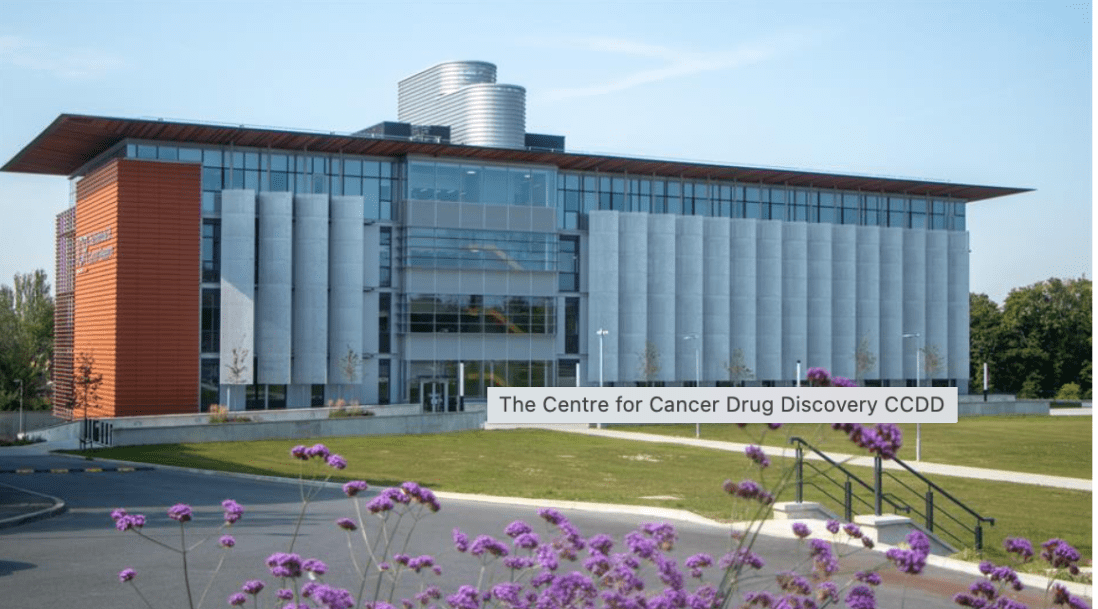
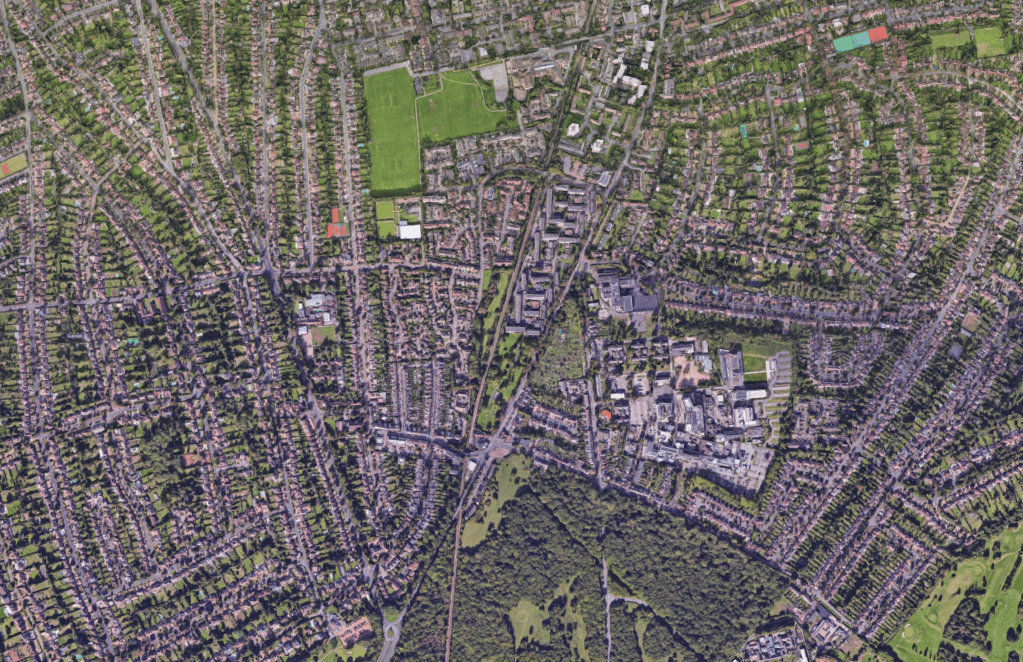
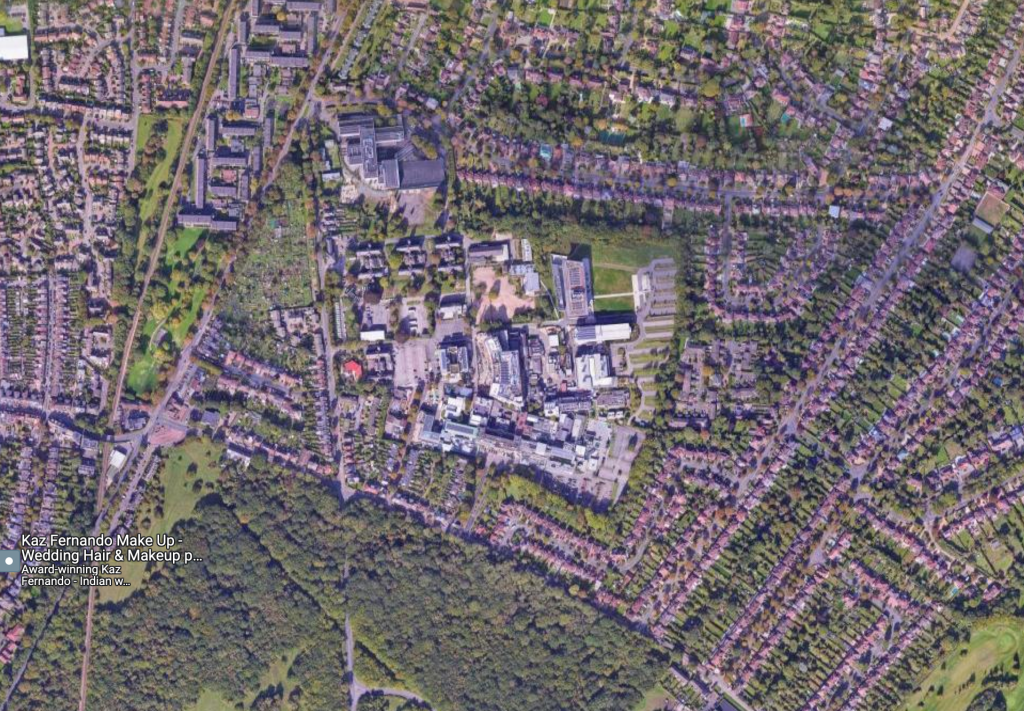
The idea of barcoding made me think a lot about how people are positioned and move around the LCH site and the nature of their experience, depending on where on the site they are based. Most of the people I spoke to spend most of their time in a single location for their work, or certainly mainly within one organisation’s buildings. When I asked about using other parts of the site, most of the people I spoke to kept mainly to their own area. However, a few travelled across the site – between the ICR and RMH for example – on a regular basis, and others talked a lot about travel to and fro from other partner organisations such as Imperial, possibly more than within the LCH. I thave oyed with the idea of making an artwork based on tracking people’s movements around the site. I think it would be illuminating – tho i am not sure how keen people would be to take part!
“Securing“
We had a conversation about patient medical data, its sharing, safekeeping and its absolute crucial role in research. The day of this conversation, an article had been published in the Guardian about how UK medical data was – or was not – being protected, and how much research is impossible without access to large data sets that rely on individuals being secure about how their information is shared. (Articles of this nature are being published every week, reflecting major ongoing developments in this sphere).
Security is an obvious concern in relation to different parts of the LCH and movement around the site is not unrestricted, no doubt for some very good reasons. The ICR, for example, is all access controlled, so that only staff or approved visitors can access the buildings. The Royal Marsden obviously needs to be accessible to patients so there are many spaces that can be accessed without restriction. However, I visited several to office spaces where you needed a pass to get in.
All this set me thinking, are there parallels that I can investigate between the security of medical data and the security of the site? Something to think about, though I have no idea yet where that might lead….
“Bridging“, “Stitching” and “Translating“
These ideas came up in particular when talking about the Innovation Gateway and the development of the new multi-use site that could also house larger biotech or pharma-type companies, and the relationships between the research activities and treatment facilities focused in the ICR and Royal Marsden with the commercial ompanies housed at the Innovation Gateway or on the new site. (Confusingly to me, the new development site seems often to be referred to specifically as the London Cancer Hub on its own, without meaning the whole inclusive site covering the ICR, Royal Marsden etc.)
To me the ideas of bridging and translation apply principally to the LCH rather than the cancer ecosystem, and indicate the perceived or actual gap between the focus and/or the operations of the different types of organisations. ‘Translating’ we spoke about literally in relation to facilitating discussions and agreements across disciplines, in particular, for example, between business areas and clinical or research teams. But the idea works not only in relation to the specifics of language, but potentially also translating between priorities and focus as well. ‘Bridging’ fits nicely with all the spatial ideas that have emerged already in the discussions of the cancer ecosystem but works more or less literally on the site too.
Of these three, I think ‘stitching’, for me, has the most creative possibilities – it is literally an interesting way to make artwork. It also seems to me to be an expressive of what might need to happen to create a single site of excellence where the organisations can build effectively on each other’s work rather than operating as separate but physically adjacent entities.
Plenty of food for thought with all this!



 GLASS BODIES