Visiting the ICR and the LCH Site

My first visit to the Institute of Cancer Research was utterly fascinating both in terms of developing an understanding of key concepts about the ecology of cancer and of getting a sense of the London Cancer Hub itself. I was lucky enough to meet with researchers from two different teams and was slightly punch drunk with ideas and information by the end of the day. Rather than write about the meetings here one by one, I plan to use this blog to think about some of the concepts and ideas and how they might translate into relevant artwork. These will unfold over future posts. This post is actually about my first visit to the site in concrete terms, how i found it, how it looked and how it felt to be there for the first time.
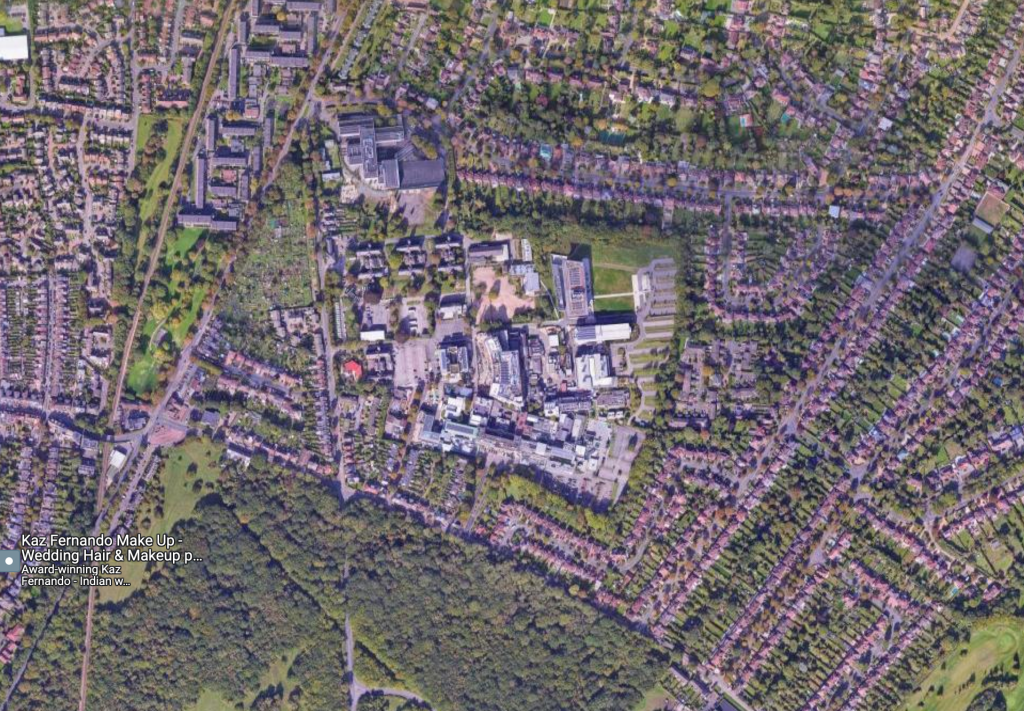
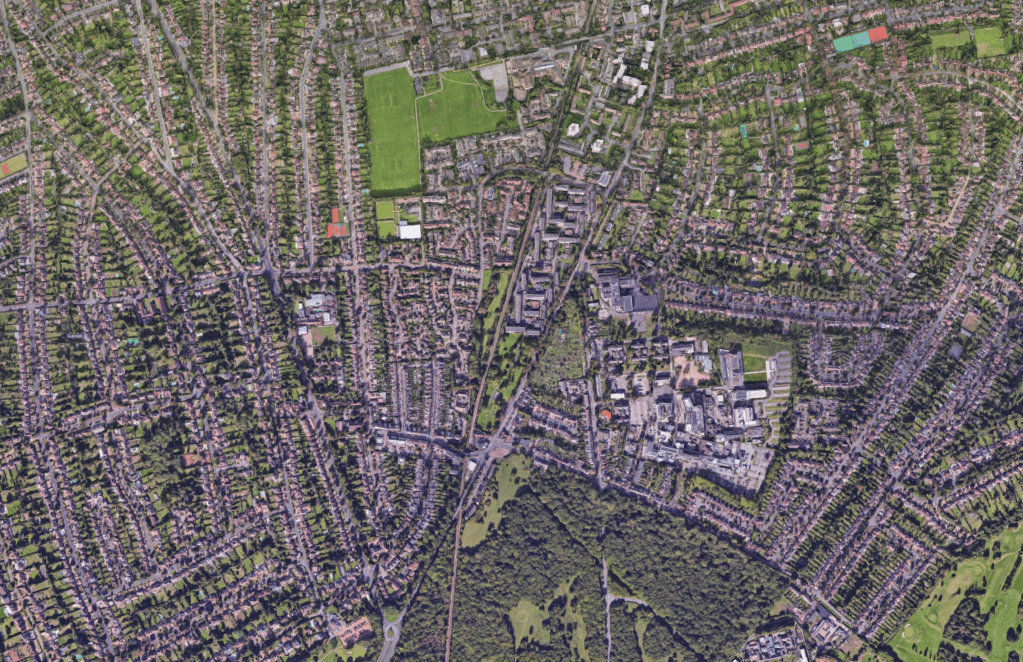
The LCH is near Belmont in Sutton. I was unfamiliar with my route to it by road, or the lie of the land around the LCH. I was surprised to come across the site as i was making my way through a warren of residential streets; the LCH nestles amongst the housing, mostly hidden from view.

The first buildings I saw as I came onto the LCH site (via the signposts to the ICR – there are a variety of access points) were some old brick Hospital buildings, presumably Victorian and presumably part of the Royal Marsden, past or present? The bulk of the original Royal Marsden on this site is actually midcentury, and was officially opened in 1963, but I couldn’t see much of that from my approach. I carried on past towards the ICR.

As I carried on down the access road, I came to the new ICR campus – brand spanking new buildings set in flat green parkland, some of which is earmarked for further development.

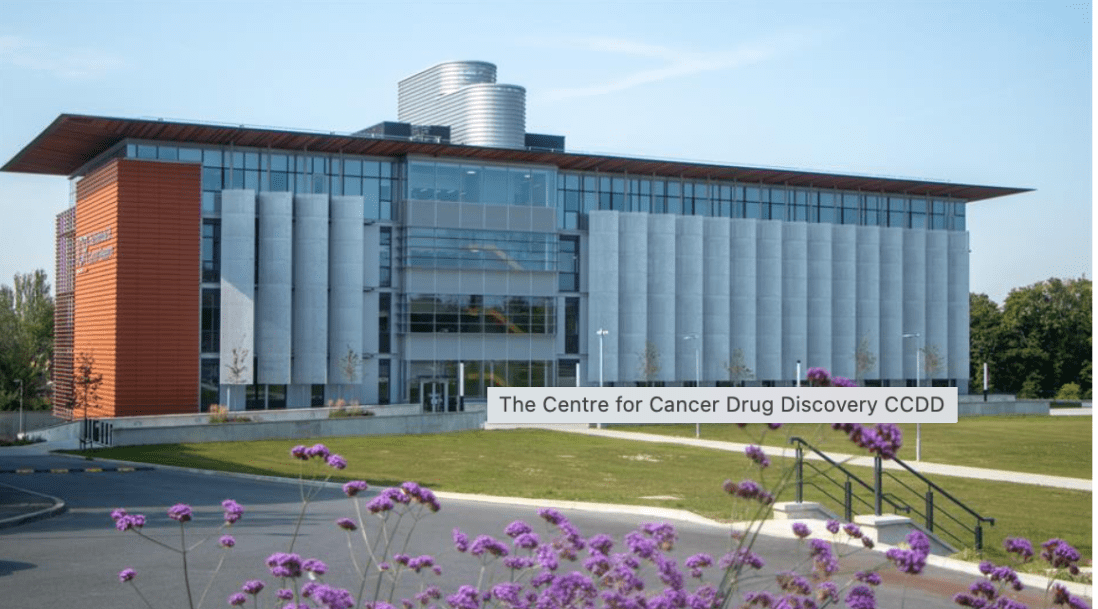
From windows of the Centre for Cancer Drug Discovery you can get something of the lie of the land. As well as being able to look over many of the different constituent parts of the Royal Marsden, it’s also possible to view the Innovation Gateway site – still very much a work in progress.
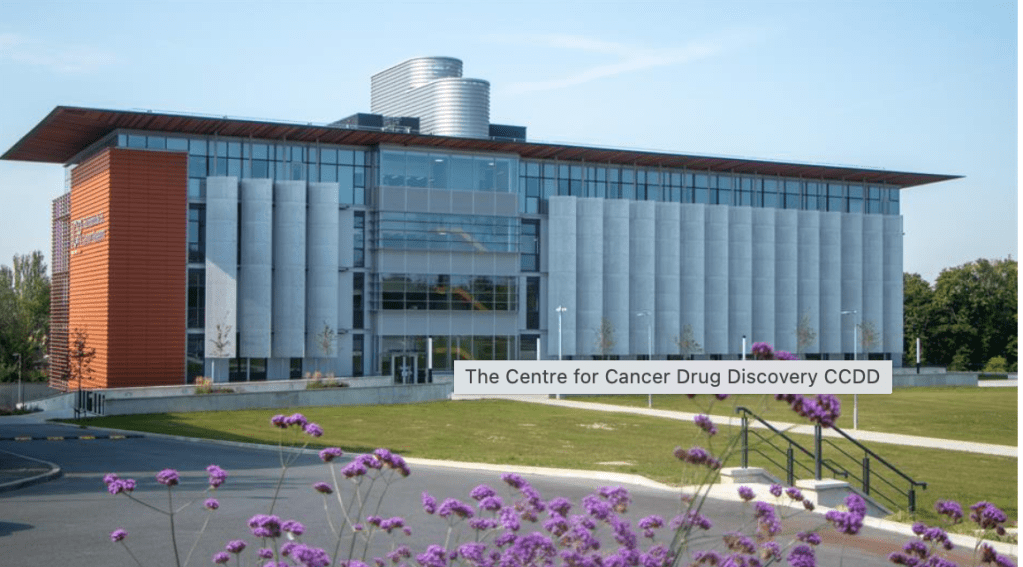
I spent pretty much all my day in the Centre for Cancer Drug Discovery where I had meetings in the purpose built meeting rooms as well as having a chance to talk to some researchers in their offices and to look at the labs used by the Cancer Evolution team.

As one might expect, everything was subject to secure access – you needed a pass to get into any of the buildings, and each of the office areas and also clearly the labs required a pass to access them. I was struck by the contrast between corridors and meeting rooms, which both felt a bit stark, mainly quiet and empty, and the offices and labs which were busier both with people and with papers or equipment. In the labs I got to borrow white and blue lab coats, depending on area, to adhere to the health and safety protocols. Odd how much it felt like dressing up.

As we walked around between meetings I was trying to get my bearings (and anyone who knows me knows that’s a feat – I could get lost in a small box) but even more, I wanted to take in the feel of the place. It’s much too early to do anything here other than record very first impressions, but those impressions are very much of a work in progress, a stitching together of the very old, the very new, and all the things that came in between. It gave me a real insight as to where the project stands at the moment; the LCH is not so much an entity as an idea that is beginning to take physical shape.

And that led me to question how far the LCH is also taking organisational shape – is that totally conceptual still or is it having any impact on working practice?
‘Evolving the Ecosystem’

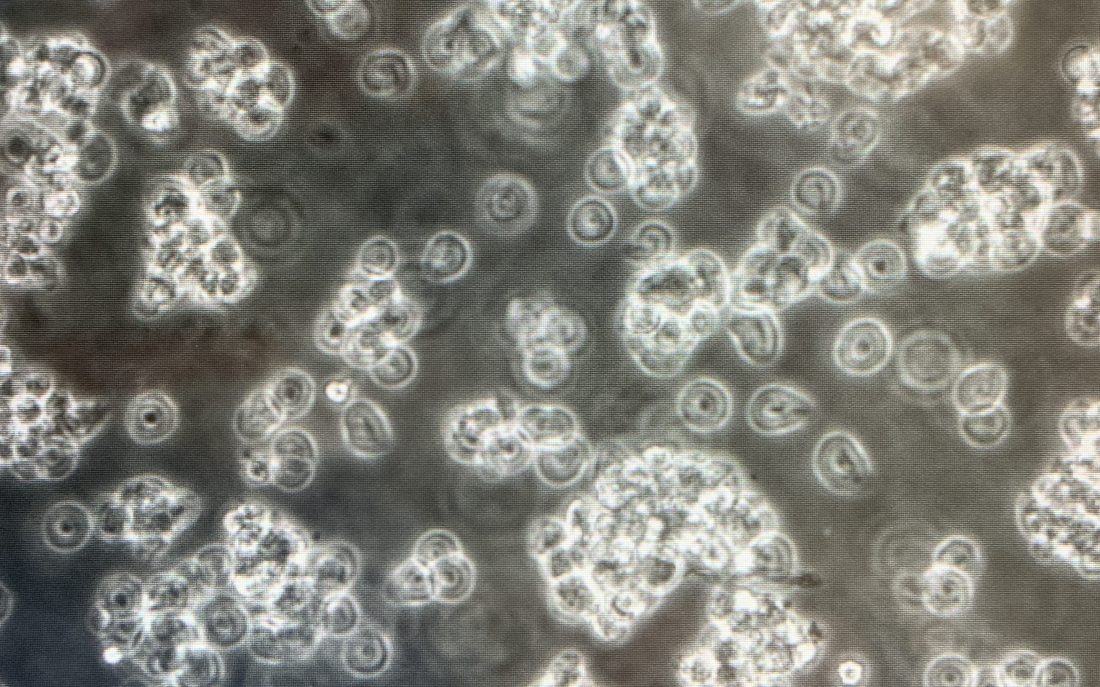
My residency at the London Cancer Hub will be spent working on a project I have called ‘Evolving the Ecosystem’. A central goal of the Institute of Cancer Research (ICR) strategy is to unravel the cancer ecosystem; cancers develop and grow very much as part of the environments of our bodies, and a priority for research at the ICR is to understand the mechanisms by which our individual or common internal bodily ecosystems govern whether cancers thrive or fail.

I was inspired by how the concepts we draw from ecology affect not only how a disease progresses, but potentially also how organisations thrive or fail in response to their environments. Below is an extract of the project proposal I put together to explain the research that I want to do whilst on this residency.

“Cancers have increasingly been seen as part of the complex ecology of the body rather than as diseases where rogue cells or tumours can be understood in isolation. Research scientists and clinicians are now focusing on investigating the characteristics and mechanisms of this ecology to find new ways to control or eliminate cancer. The conceptual framework of the ecology of cancer – and how to unravel it – has proved so useful that it now forms a central plank of the Institute of Cancer Research’s (ICR’s) current strategy.

Organisations too can be understood as ecologies. The London Cancer Hub (LCH) brings together a cross section of organisations working towards a synergistic set of goals, forming its own complex ecosystem, an ecosystem aiming to create an impact which is greater than the sum of its parts. How the constituent organisations – involving research scientists, businesses, clinicians, educators, carers and patients – collaborate across the new Hub to achieve this can similarly be viewed as an endeavour to develop a healthy ecosystem.

For this project I want to investigate these parallel ecologies side by side, drawing on frameworks and metaphors usually confined to the scientific context to explore what we can learn about the development of a culture and environment within which the potential for research, treatment and prevention can thrive.

The artwork emerging from the project would act both as an expression of the learning from the project and as a stimulus for further conversation going forward about how to build our capacity to tackle cancer. In addition, the stories gathered along the way would capture a moment in the history of cancer research and in the development of the LCH”.

I hope this conveys some of my ideas behind the project – which will surely also evolve as the project progresses. And if you have any thoughts about this that you’d like to discuss, do get in touch…..

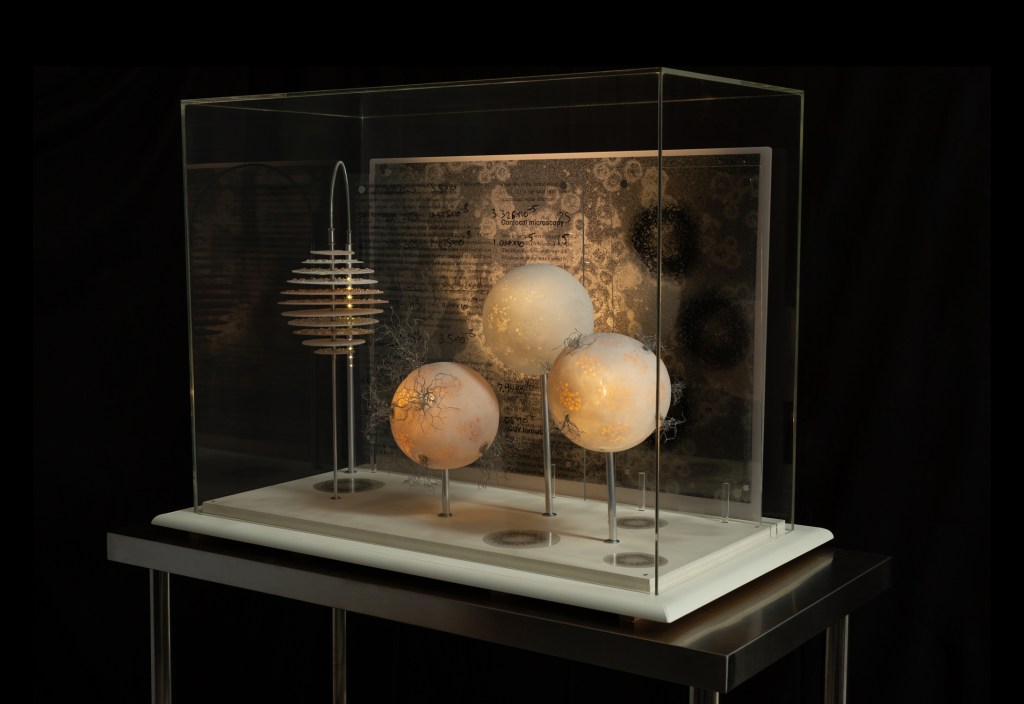
Diorama 1 – the finished piece!

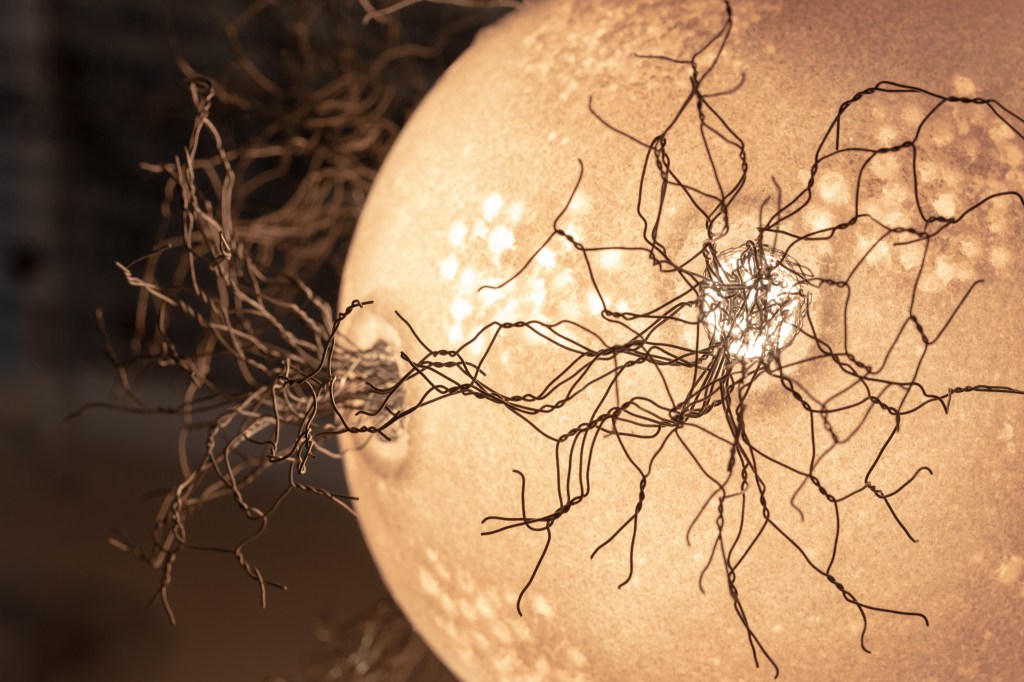
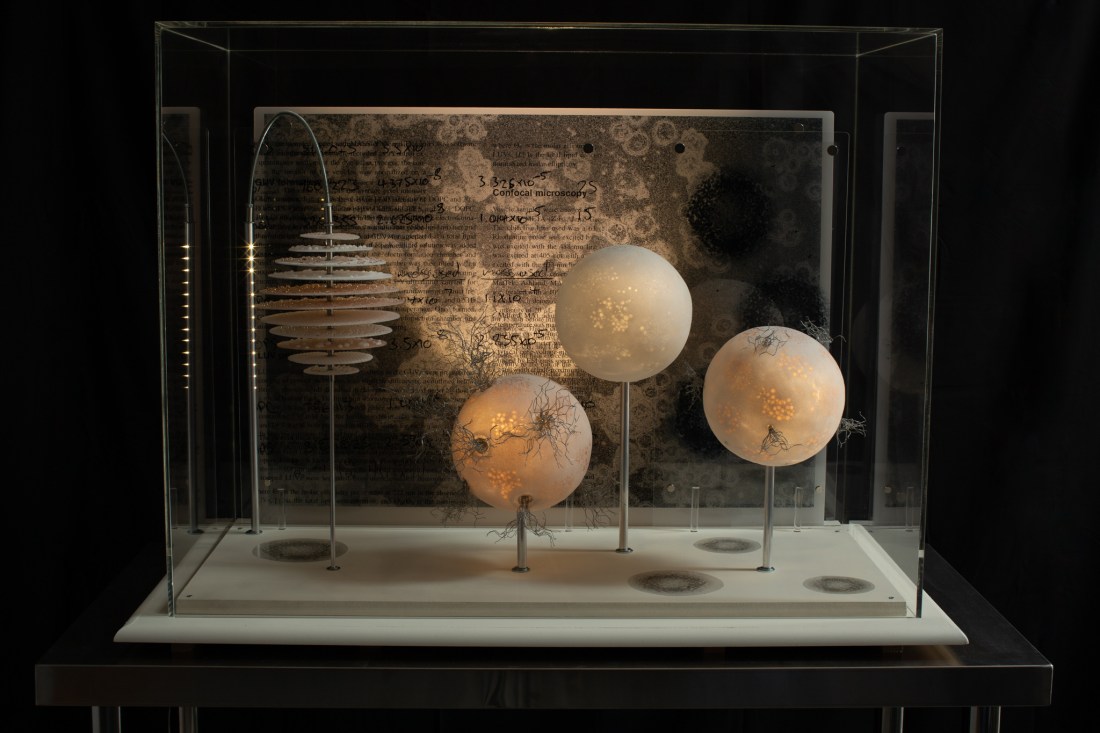
The final piece, called Diorama 1, was finished at the end of 2020, but because of the coronavirus situation it has not yet been possible to take the artwork to Leeds to be displayed at St James’ Hospital. However, we decided it would be good to start sharing online rather than waiting until it goes on physical display, so here is a selection of pictures….

Images are by Robyn Manning Photography, who can be found on Instagram as @robyn_manning_photos. I am extremely grateful to Robyn for her patience in setting up everything so that the Diorama looks its best – thanks Robyn!

I thought it might also be interesting for people to see an example of the transition of lighting of the vesicles – this video was taken on my phone, so don’t blame Robyn for the ‘blown out’ exposure of the illuminated vesicles….

A timelapse video showing one variation of the lighting transitions from a full day

All Lit Up

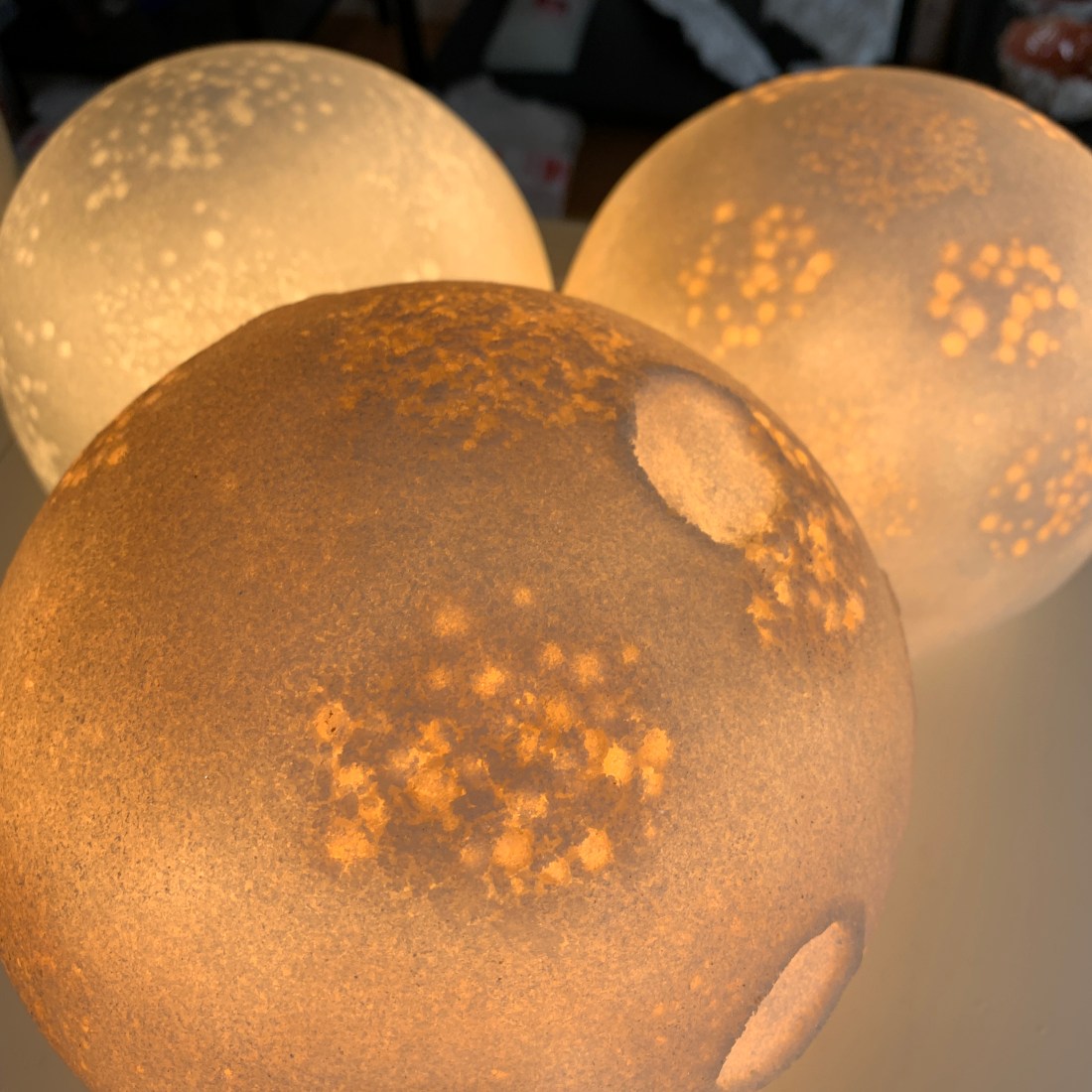
From quite an early conversation with the team, the intention had been for the vesicles to be lit up, but what was less clear was how this was to be achieved. We had discussed how it would be great for the lighting to change throughout the day, both to compensate for the piece being placed in a position without natural light (the CRF waiting areas are not naturally lit) and also to add interest to the piece.

I liked the idea of internal lighting and a transition across the day, finding it wonderfully consistent with the idea of a traditional diorama, as these often included their own interior lighting to draw in the viewer. One of the big questions for me, though, was how to programme the timings on the lighting, not being particularly competent in that area.

I did briefly learn how to use Arduinos, but it was a while ago and I would have had to start again from scratch to make it work. Also, all the restrictions of Covid made it harder to contemplate outsourcing this part of the project, as did the available budget. The answer came in the surprising form of aquarium controllers. These controllers are designed to make sure that aquarium fish are not shocked by the sudden switching on of the lights in the morning or the switching off in the evening and allow you to programme a series of sunrises and sunsets across the day.

Constructing the stands so that the glass elements were lit internally was initially a case of testing lots of different types of 12V lights of the kind often used for caravans or countertops. Eventually I found some that I was happy with and set about mounting them so that the lights would be correctly positioned within the vesicles. Lots of cases of trial and error as I went along and once again aquarium supplies came to the rescue, this time in the form of clear flexible tubing that holds the lights in the right place.

Finally, after wiring, soldering and finishing the full construction of the piece, I could programme the lights in the vesicles. They can each be set to gradually come on at different intensities across the day to draw attention to different parts of the diorama.

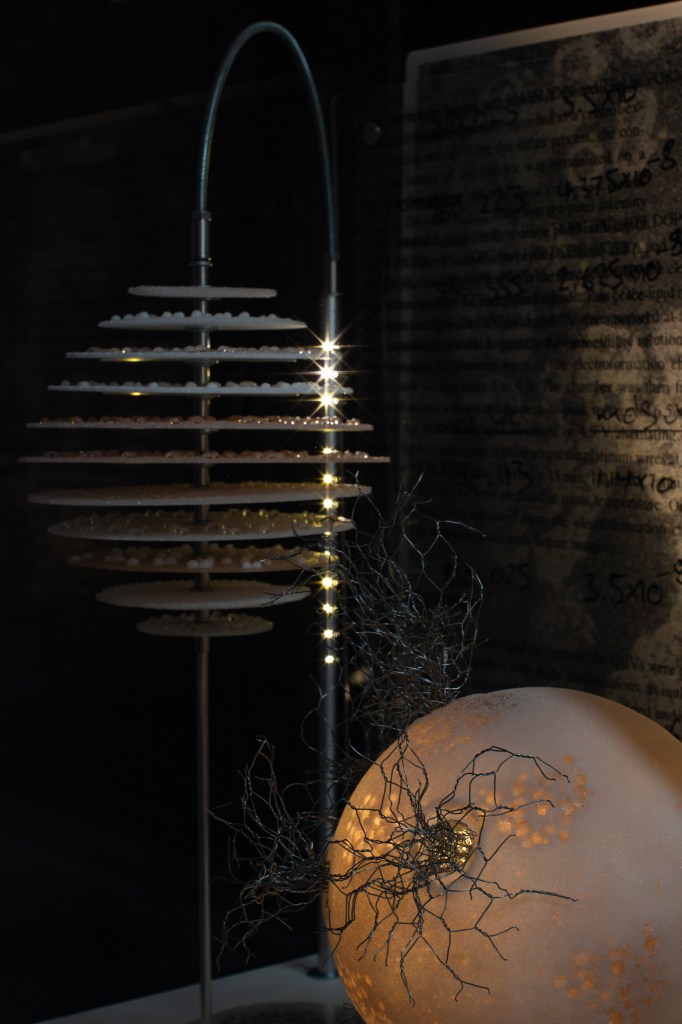
Meanwhile, another challenge was to light the Z Stack. I achieved this through feeding an LED strip through the length of the stand I had created for the stack, with holes strategically drilled to let light through. For me, this layered lighting enhances the analogy of the Z Stack itself, and how the microscopy and computation processes build a whole form from slices of data.

The final lighting for the Z Stack

To see a timelapse of one lighting scheme for the finished artwork, have a look at a forthcoming post of images of the final piece!

Construction

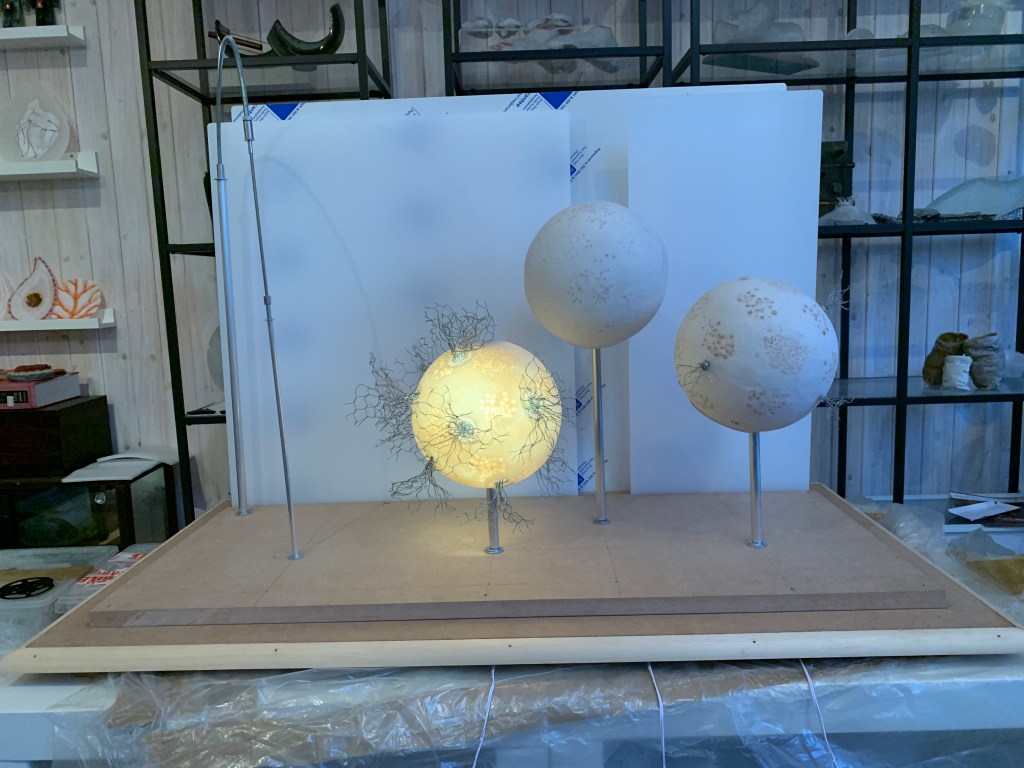
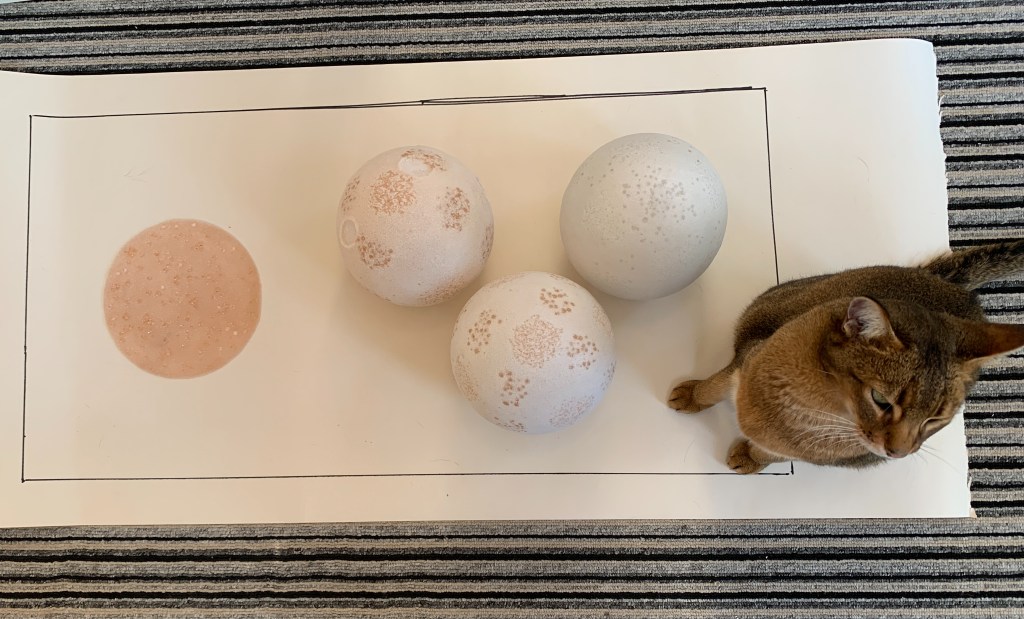
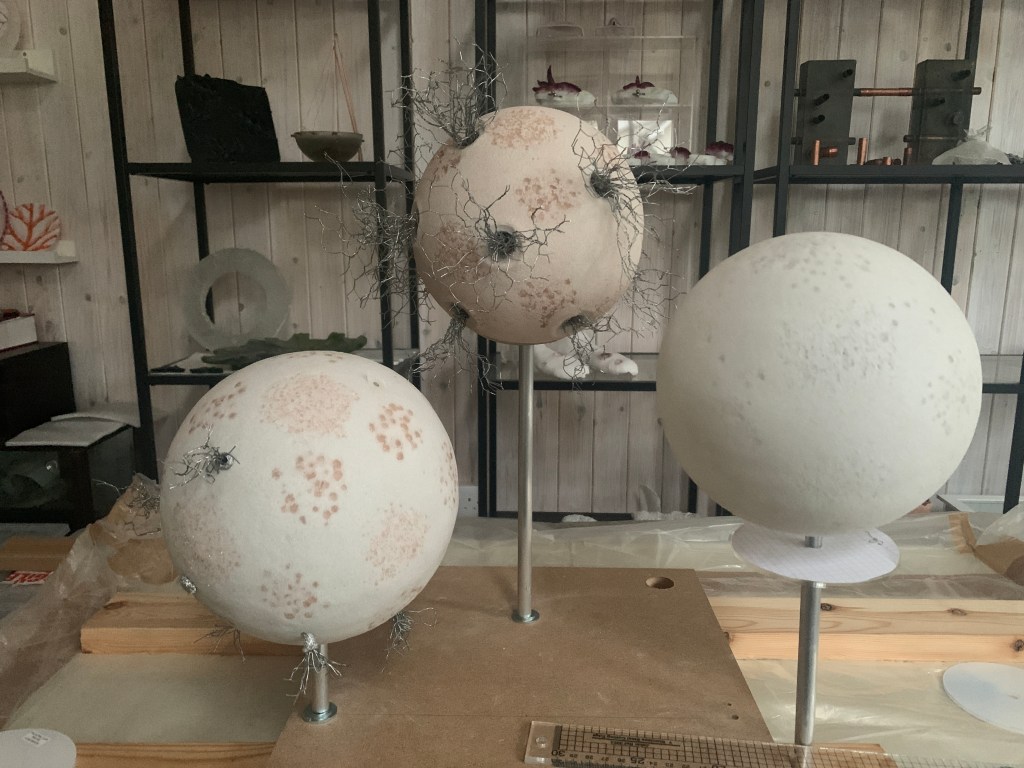
Once the vesicles were underway, one of the major considerations in creating the piece was the relationship between all the different elements. I had already, obviously, committed to creating the ‘vesicles’ and ‘z-stack’ at certain sizes and imagined them situated in relation to each other, but there was still quite a lot to be considered in getting the relationships right. There was also a lot of planning and experimentation in creating the fixings to hold the glass in position.

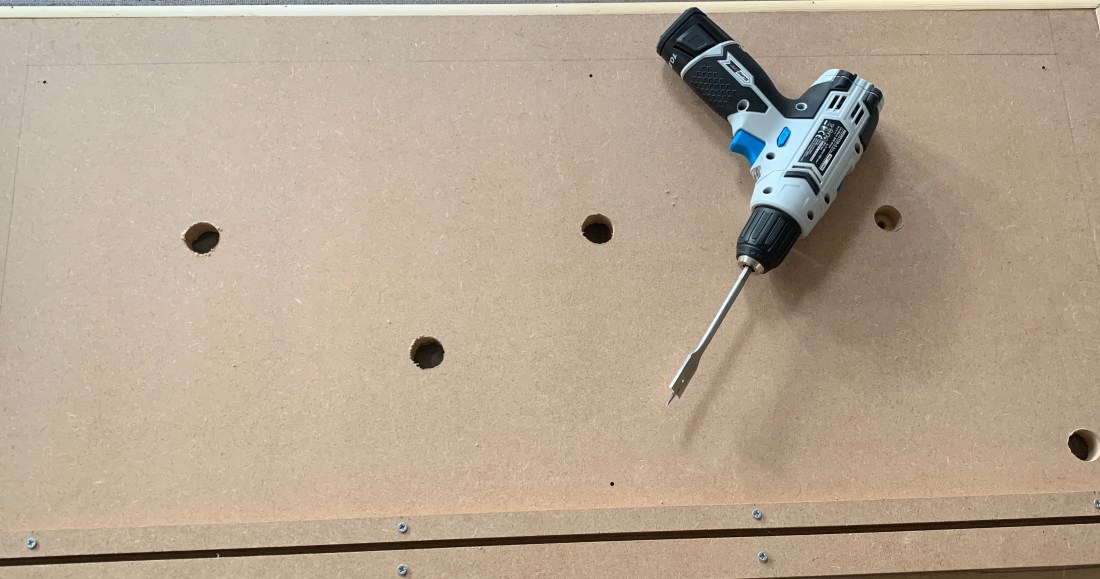
Once I had a sense of the sizing and spacing, I set to constructing the base and the stands that would hold the glass elements. I was also trying to take into account that the piece would need to travel from my studio to the hospital in Leeds, so my aim was to make the piece so that it could be deconstructed again for transport.

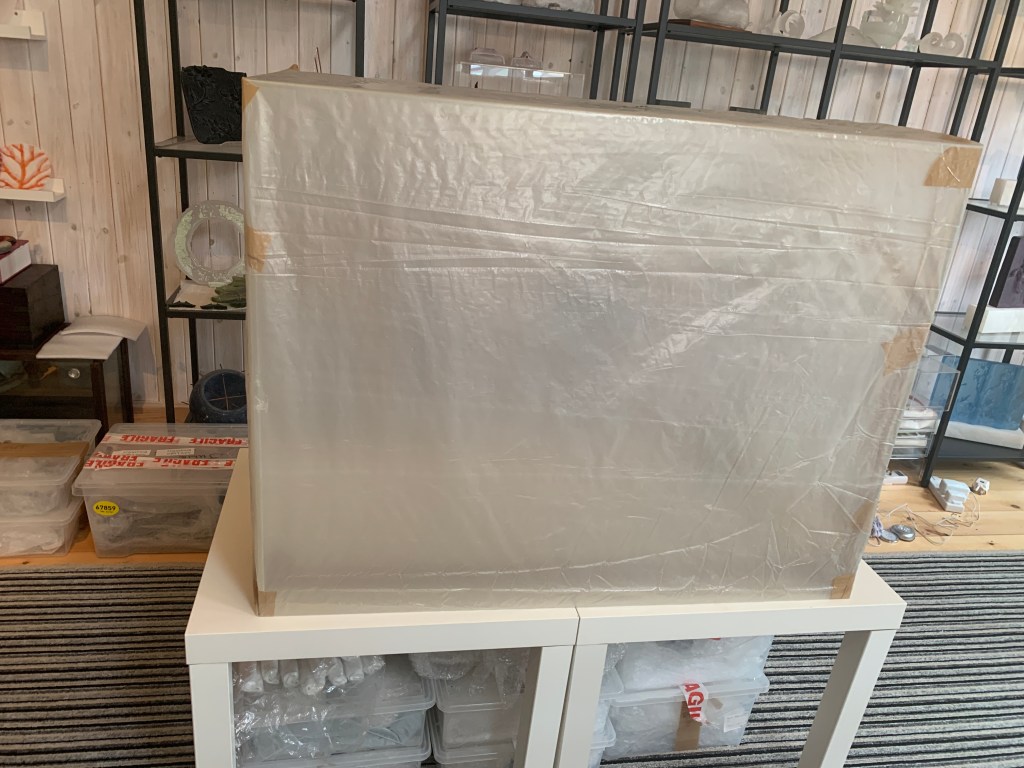
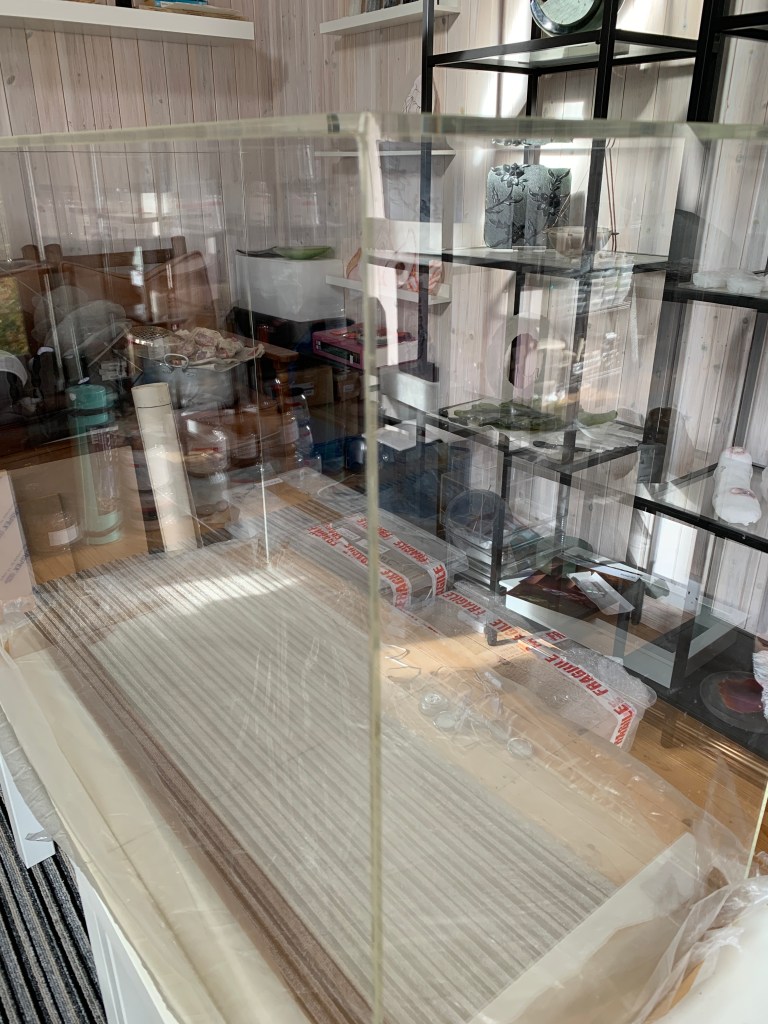
Meanwhile, the case I had ordered to contain the diorama had arrived. This meant that I could make sure that all the measurements I had made were accurate and that the base and the case would fit together properly.

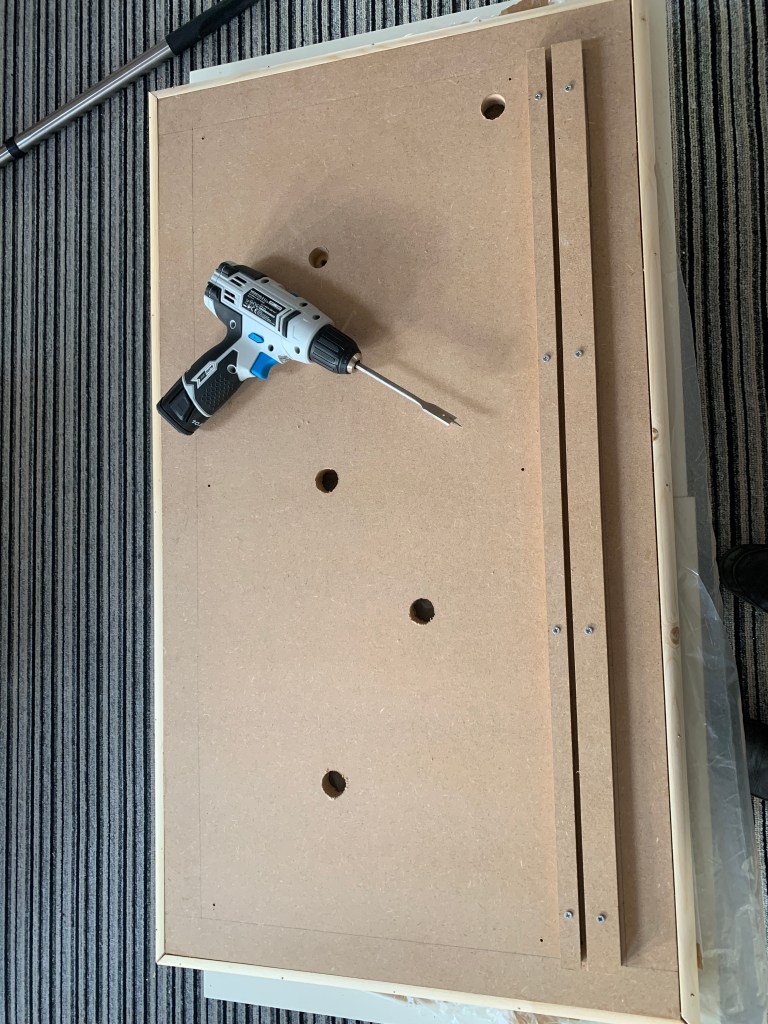
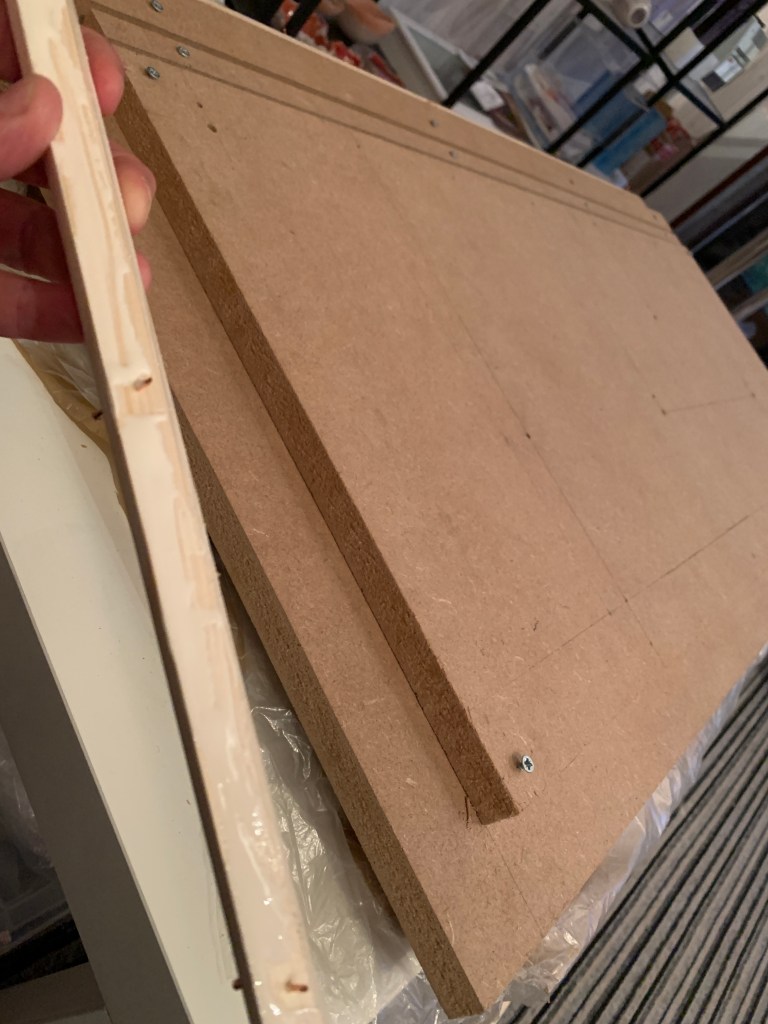
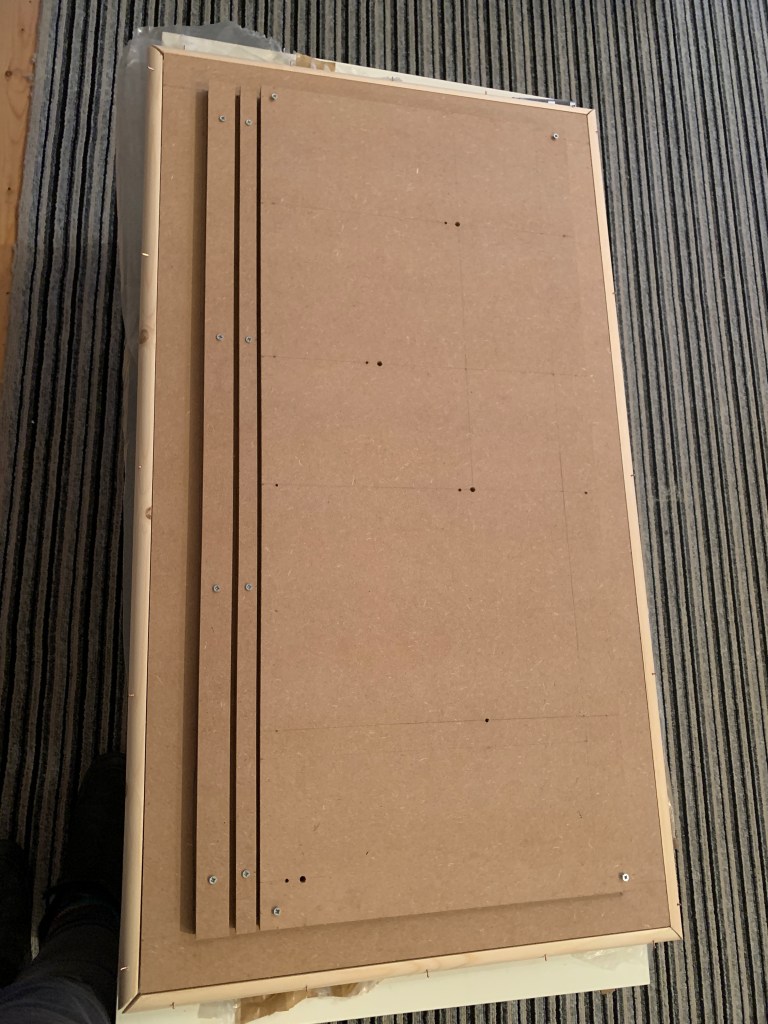
The slats at the back of the base would hold the acrylic sheets used to mount the backdrop images. These had to be carefully measured so they would hold the sheets firmly in place.

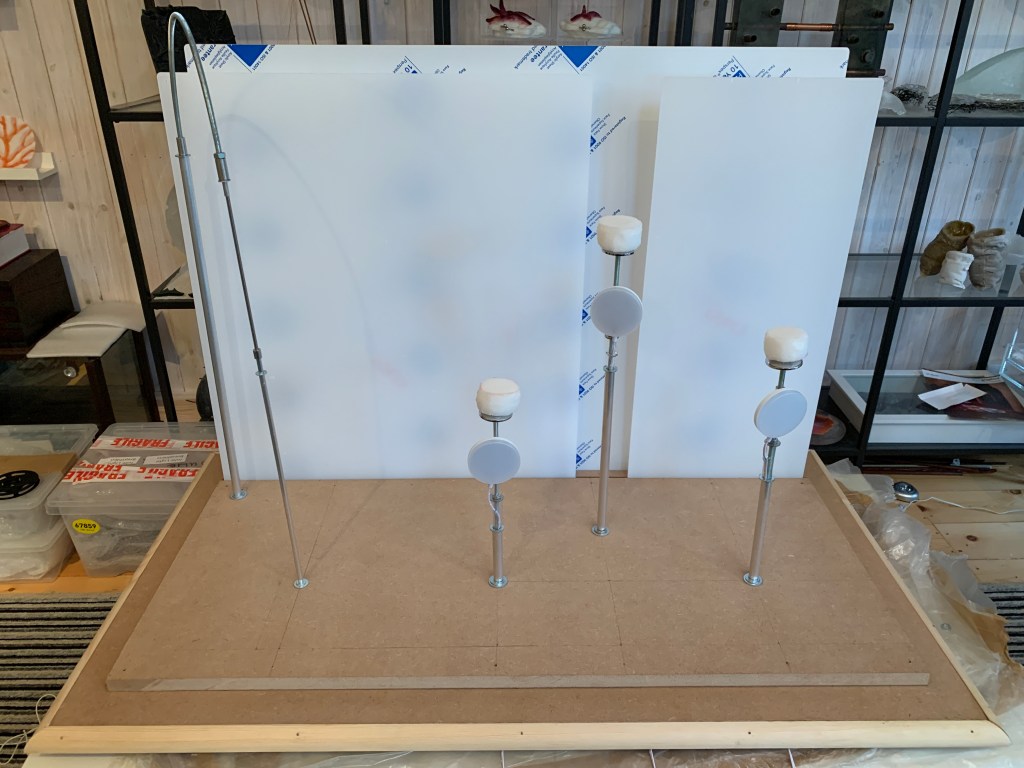
Eventually the base was built, and I could mount the stands that I had created to hold the glass elements and acrylic sheets. At this stage, I was working with the acrylic sheets still in their protective wrap – that only came off close to completion as acrylic scratches very easily. In fact, the case for the piece has been treated with an anti-abrasive coating to try and minimise exterior scratching, although it can’t prevent it altogether.

And now, all that was left to do was to spray paint the base and mount all the interior elements!