Many things I learned from sharing…

The ‘official end date’ of my residency at the London Cancer Hub was 31st January, and that day I held a ‘closing event’ at the ICR. Although to be honest, I will continue to work on these themes and use the learning from the residency in the immediate and the long term future, so it doesn’t really feel to me like the residency has come to an end!

There were multiple purposes to having the event. I wanted the opportunity to share back about how the residency had progressed with those who had contributed, to let them see the tools that I had used to make sense of the experience and to show them some of the prototypes and the samples that I had created as part of the work. I also wanted to introduce others at the ICR (and potentially across the LCH) to the residency as obviously not everyone had come across me or my research. The location near the ICR reception and cafe would help with that. And finally, it would be a great chance for me to gather feedback from people seeing this work for the first time.

I was delighted that I was able to do all three things. During the course of the event, which lasted about 4 hours, around 50 people stopped to look at the work and to talk, and many more wandered by. I had surprisingly in depth conversations with about 30 people. It was really fascinating to be able to gauge and discuss people’s reaction to the work and the process. I also found out more about some research and support roles at the ICR that I hadn’t known about before. 

Below I have summarised some of the things that struck me from the many conversations I had with people visiting my work.

Representational vs metaphorical vs something else?

One very interesting strand of conversation was about how far the pieces were intended directly to represent the processes of a specific element of the cancer ecosystem. I talked about how, from my perspective, I have drawn out ideas, themes and metaphors from the discussions I have had, that I have experimented with these ideas and themes in different ways, but that I am not aiming to illustrate scientific processes.

Several people asked me what the base sphere structures represented. I explained that I think of them as potentially being any of: abstracted cells, abstracted tumours or abstracted bodies. I also observed that spheres are often the starting point for my work. I ended up in an interesting conversation about how organoids look (organoids are structures grown in the lab that have some characteristics of real organs and are therefore useful as an alternative to plain medium), and concluded these pieces could also represent abstracted organoids. To me it feels quite important that they could be any of these simultaneously and are are not specifically one thing or another. I like the idea that people can take meaning from them in a way that makes most sense to them. 

Another conversation about how far the work was representational centred on my choice of black for some of the dendritic patterns and the ‘cells’ themselves. I said that I had been inspired by the convention around extreme hypoxia being very dark or black. I was challenged about this in relation to the fact that the vessel growth, being on the outside of the structure, would surely be red (highly oxygenated) not black. My position was – and is – that I am not creating something literal, and that, even if i decided to do that, these samples were anyway potentially components and I was unclear at this point whether they could be inside another structure or how they would be grouped. And, of course, the structures themselves, despite the fact that I sometimes refer to them as cells, are not in any case determined (see above), and therefore it is impossible to be ‘accurate’ about a representation. 

This whole conversation confirmed categorically for me that for me this work is not intended to be representational of any specific scientific process or entity and that the pieces are not designed to be illustrative or ‘correct’, Instead my aim is to draw on ideas, present them visually in different ways to stumulate thought and questioning. And whilst maybe I will convey some of my intention and thought process through the pieces, I also want to allow people to interpret the pieces according to their own experiences. I am mindful, for example, that some of my inspiration comes from patients as well as scientists, and that I have deliberately been pursuing their subjective and highly individual imaginations to inform our conversation. However, I need to keep in mind is how far the pieces – in their context of the cancer ecosystem – may be taken as if they are representational and what this might mean for how they develop and are displayed.

I was also asked about the Winged Thing and whether and how the metaphor might be explained. Would I have a caption or a label if I was exhibiting this in another context? I am to some extent undecided on that, and the context would itself be key. These pieces a) are prototypes and b) might be used as part of a composition and c) may yet change signficantly in their final incarnation, and with these factors in play, that is not a decision I can take at this point. However, I do think that if I want people to understand the metaphor specifically as mechanism of cancer then an explanation either as part of the artwork or explaining the artwork alongside would need to be a consideration.

Cultural references

I was surprised that several people referenced films when describing how they thought about some of the pieces. Star Wars and also Harry Potter’s Quidditch ball came up when talking about the Winged Thing. Spider Man and his black suit in Spider Man 3 came up in relation to the ‘tar’ overgrowth piece, particularly in connection with the idea of being gripped by something you can’t get out of.

Aesthetic and/or emotional impact

One of the things I was particularly interested in getting feedback on was whether these pieces created any emotional impact. Sometimes this came up spontaneously in conversation, and other times I raised the question of how people felt when looking at them as part of a discussion.

It seems to be having taken stock, there were a wide variety of responses. A couple of people said that they appreciated them aesthetically but did not have any particular emotional reaction. Several times people reacted to the largest dark piece and the tiny black piece by finding them ‘menacing’, or ‘threatening’, or ‘sinister’. These reactions mirrored the response I got from the Art for Social Change artists too, with whom i had previously shared some images; some people found them quite ‘shivery’ whereas others are unmoved. Very interesting. 

One reaction I had was from a PhD student studying pathways in sarcoma. He said that he found one of the pale pieces much more sinister than the dark ones, as the growth around the outside was much harder to differentiate from the body of the piece – from his perspective, cancer is like that – hard to discover, hard to separate from the body, stealthy. We talked about how cancer is so much part of you, and I resolved to think about this more going forward as it chimes with my feelings about how cancer is intimately part of one’s own makeup and particular to you as an individual.

Also as part of the exhibit, I had prepared an exercise with ‘lace’ or ‘lattice’ piece. I asked people to jot down a word or two about what they thought when they looked at it, vs what they felt. Here is the outcome of some people’s contributions. An interesting mix and once again food for thought.

Colour palette

Many many of my visitors asked me why I had chosen the monochrome palette that I did for these pieces, and I explained as above that the starting point had been hypoxia. However, I got a strong feeling that people would be interested to see these or similar pieces with some colour. It set me thinking about whether I would too. Perhaps the next iteration will feature some other tones?

Two ecosystems side by side?

One of the more complicated things I ended up reflecting on as a result of the conversations I had about the project was the ‘success’ or otherwise of looking at these two ‘ecosystems’ side by side. This is something I have been wrestling with throughout the project and talked about in my research interviews also. At this event, I was challenged about whether the LCH could really be considered to be an ecosystem in any way beyond the fact that anything on earth could be considered an ecosystem. Wasn’t it just, like most things these days, an example of a network rather than an ecosystem? 

On this point I would argue that the LCH in fact is more of an ecosystem than, say, a network of aeroplane routes. The LCH is an example of a social system that is developing in an environment, where different groups of people react and change as a result of their interactions with each other and their environment. Some gain useful resources, make interesting connections and thrive, others don’t. In my view this can happen both in organisational and individual levels. So from my perspective, the metaphor of an ecosystem is a useful one to understand how the LCH might function and develop, and that is a matter of importance to those who believe that bringing the London Cancer Hub together is more than a set of buildings on a site and potentially could provide opportunities to collaborate more or better with the goal of preventing and treating cancer. 

At the event, I explained to people that a central question for me was to understand what could be learned from the exercise both from comparing and contrasting the ‘ecosystems’, and also as to how the two different systems might each have a place in the resulting artwork. I am coming to the position that ideas from the cancer ecosystem can be used quite successfully to interrogate the state of play with the London Cancer Hub but not necessarily vice versa. Using the ecosystem metaphor allows one to approach the idea of bringing organisations together in a system from different perspectives and ask new questions. What are the pathways, signals, and structures that are being created? Where are the areas of toxicity? How far do those work in a similar way to the biological systems? I am sure one can use these questions to help continue towards developing the LCH as a healthy, constructive and creative place to work together. However, it is much harder to see how contrasting the two systems works the other way around, using metaphors from the LCH to inform the research into the cancer ecosystem. And, to be honest, I am not sure I set out asking the relevant questions about how the LCH functions tso that one could apply the metaphors from the organisational, social and spatial environment of the LCH to see the cancer ecosystem differently. This is all part of the learning for me, and something I can set my mind to, going forward.

This event brought the formal part of my residency to an end, and in terms of this blog, it only remains to draw some of these ideas together in my next and last post on this project.
Off to school

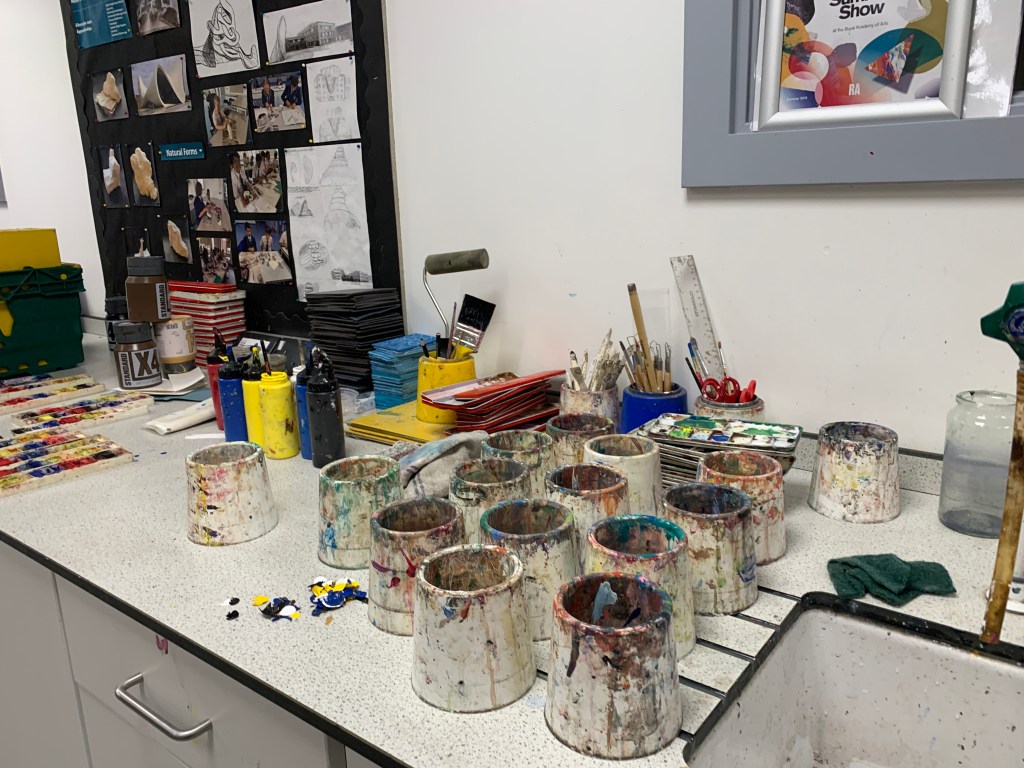
I was very excited to be able to visit the Harris Academy Sutton (HASU) as part of my residency research. As well as having a really illuminating conversation with some of the incredible teaching staff, it was lovely also to meet and chat with several Year 12 students about their ideas and also to have a look around the amazing purpose-built site, which nestles into the edge of the London Cancer Hub ‘campus’,

Early on in the residency I was quite puzzled by how a school could be integrated into the London Cancer Hub, which seems such a specialist endeavour, so this was one area of discussion I was interested to focus on initially. And whilst the school obviously has a remit in relation to providing a broad education for it’s pupils, i was surprised at the number of different ways that the school either is already, or can become, strongly allied to the London Cancer Hub organisations.

HASU has a specialist science focus, so as such is already tuned in to the subject matter and potential for the relationship with the organisations of the London Cancer Hub. Here is a (not exhaustive) list of some of the ways that HASU is connected with the LCH that emerged from my discussion with the staff:

  • The relationship with the LCH is a real incentive and attraction to teachers – more than one of the staff I spoke to was really influenced to join HASU because of the LCH.
  • HASU is the recipient of equipment from the ICR that is no longer useful to them, but very handy for the school
  • There is an aspiration for every year 10 student to have a mentor scientist – ‘their’ scientist.
  • There are lots of ideas part way in progress to provide students with mentors from the ICR and RMH (as well as from other industries)
  • The curriculum is relevant in some areas. Teachers also particularly talk about how those parts of the curriculum might relate to the work of the LCH – eg when teaching mitosis in biology
  • In time they hope to integrate the LCH organisations into careers events,

I was less expecting some other connections. Some pupils have parents working at the LCH. Not at all surprising when you think about it, but I hadnt previously thought about it. Similarly unexpected for me was the question of whether some of the pupils had relatives being treated at the RMH.

In terms of how conscious the students are about the LCH and its role:

  • The LCH attracts students to the school as well as teachers, One student who joined in Year 12 said that the science focus and LCH together were a real consideration when she was looking for a school to transfer to.
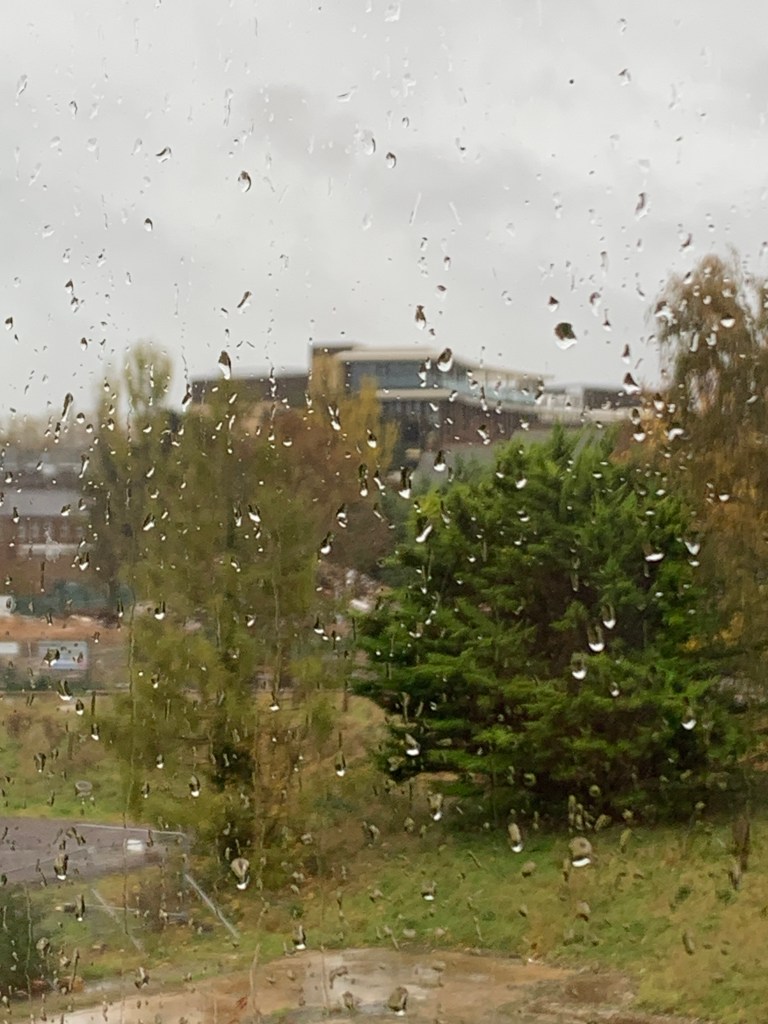
  • There isn’t much opportunity or reason to visit the LCH site (they aren’t allowed in to some areas anyway) it is visually part of their landscape, especially now that the old hospital buildings that blocked the view have been demolished,
The view from HASU to the Oak Cancer Centre

From there we got onto a more general conversation about art and science. Several of the students I met were taking art A Level and had thought about the relationship between art and science, to come extent thematically and also from a process point of view. One of their elective courses covers the relationship between art and science in some detail – I am hoping to go back in January as part of that course to talk with the students in some more detail about how art and science can relate in practice….

The London Cancer Hub – a wilderness or a garden (or something in between)?

As the project evolves(!) it feels like time to reflect on some of the things I’ve learned about the LCH as an entity as well as continuing to update this blog with all the concepts and metaphors I’ve drawn from the conversations about cancer research.

And now that I’ve talked to a variety of folk based at the Sutton site from the ICR, the Royal Marsden and also from the London Borough of Sutton I am both a whole lot clearer and a whole lot less clear on what the London Cancer Hub actually is.

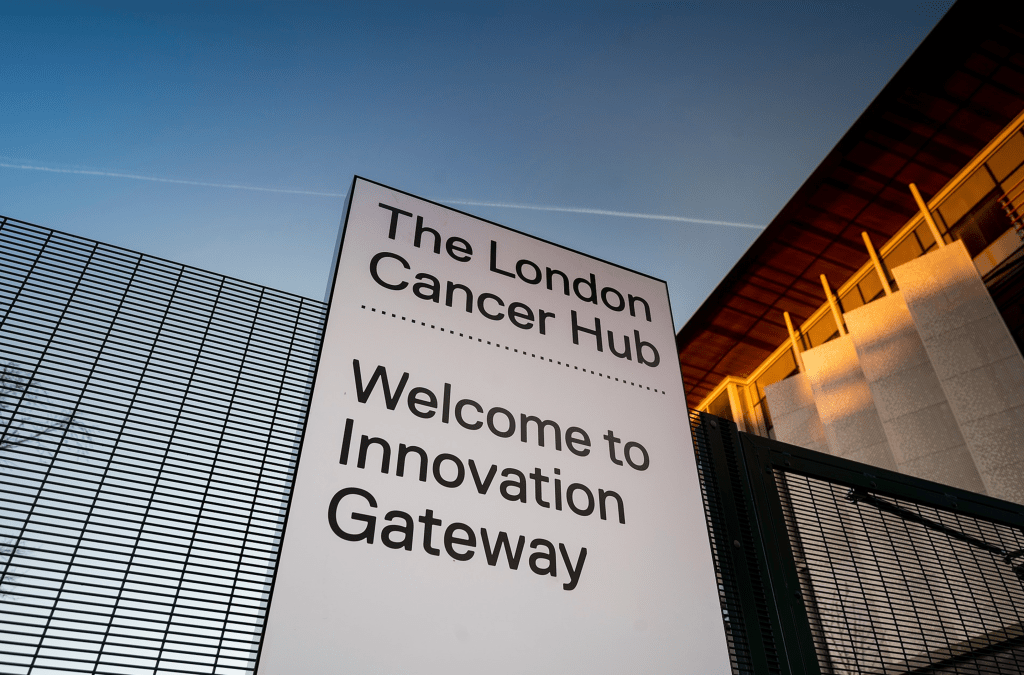
A view across the LCH from the ICR access road to the new Innovation Gateway site

Fundamentally, it seems to me that the ‘London Cancer Hub’ is an idea. It’s not the only example of a ‘hub’ that brings together similar types of organisation in one site with the aim of maximising the potential of the co-sited organisations by placing them together. See for example, this article by UK Research and Innovation outlining collaborations across the UK, several of which include co-location, or this one about the Imperial College White City Life Sciences campus. What makes the London Cancer Hub unique is its tight focus on the science of the prevention and treatment of cancer.

But beyond that simple explanation of a shared goal, I have been struggling a little with what actually binds the London Cancer Hub together, and what differentiates it from other partnerships and collaborations that are aimed at cancer treatment and care. And when I started to delve, I realised that I had arrived with a whole set of assumptions, many of which I am only now becoming aware. And because I am dealing with snapshots, transient impressions and fragments of explanation, which are the nature of the types of conversation I have been having, it’s going to be a little tricky to pin down what I mean, but here’s an attempt.

When I heard about the London Cancer Hub, I assumed that there was some sort of integration effort that was bringing all the disparate elements of the London Cancer Hub into some sort of intertwined relationship. By that I don’t mean at all that I thought there was going to be a single overseeing organisation or that the different parts would become a single body, but I did think there was probably a sort of masterplan that was dedicated to ensuring the different organisations would begin to intermingle more, and to encourage cooperation and cross-fertilisation of ideas and activities.

And now I am not so sure this is the case. (And as ever, i may be mistaken, but if so, that in itself may be indicative of something). Whilst there is clearly significant collaboration going on – in particular I know there are lots of positive and proactive interconnections between the ICR and the Innovation Gateway, and the ICR and the Royal Marsden have a longstanding relationship – I am more unclear about how the LCH as a whole will be becoming actively more than the sum of its parts? And how it will be significantly different or more than the existing partnerships. Here are some questions (in no particular order) that have arisen for me so far from that point of view:

  • How will people know that this is now – or becoming? – the London Cancer Hub? Several of my interviewees so far have not appeared to know what I meant by ‘London Cancer Hub’ without an explanation from me. Is that timing? Does it matter? How does that change if it does matter?
  • Who – if anyone – takes the overview of the experience of a member of the public visiting the site, wandering around, and crossing boundaries, visiting different organisations? Does the idea of a visitor experience that crosses between areas matter? Will there be a single map? And/or am I in such a unique position that its unlikely to matter to anyone else?
  • How is the aesthetic experience of the site managed as a whole? Maybe that’s not important, given that there is always going to be a mish-mash of interesting buildings from different eras, but maybe there are things that might bring a useful coherence? Or maybe different identities as you traverse the site is grounding?
  • How about the staff experience of being part of a London Cancer Hub? Will there be ways to encourage curiosity or collaboration between the people in different organisations beyond what is structurally necessary?
  • How will the serendipitous discovery of overlapping interests happen as a result of the Hub’s existence? Who provides space for people from different organisations to intermingle randomly and interestingly – or who will in the future? So far the only place on the site that seems to specifically cater for staff from across the site is the small social club with a once-a-week bar. Is anyone responsible for creating these sorts of spaces? Or is that not how things work? Or maybe just not yet…

More than one of the people I have spoken to so far has looked at me blankly when I’ve asked about what makes the Hub a Hub beyond all being in the same place. I am fully aware that it’s very early days for the London Cancer Hub and maybe it’s too early for these sorts of questions. And maybe ultimately it doesn’t matter. But maybe it does? It would certainly matter if the bonding and binding has an impact on the research, treatment and care of patients and the inspiration, motivation and satisfaction of staff?

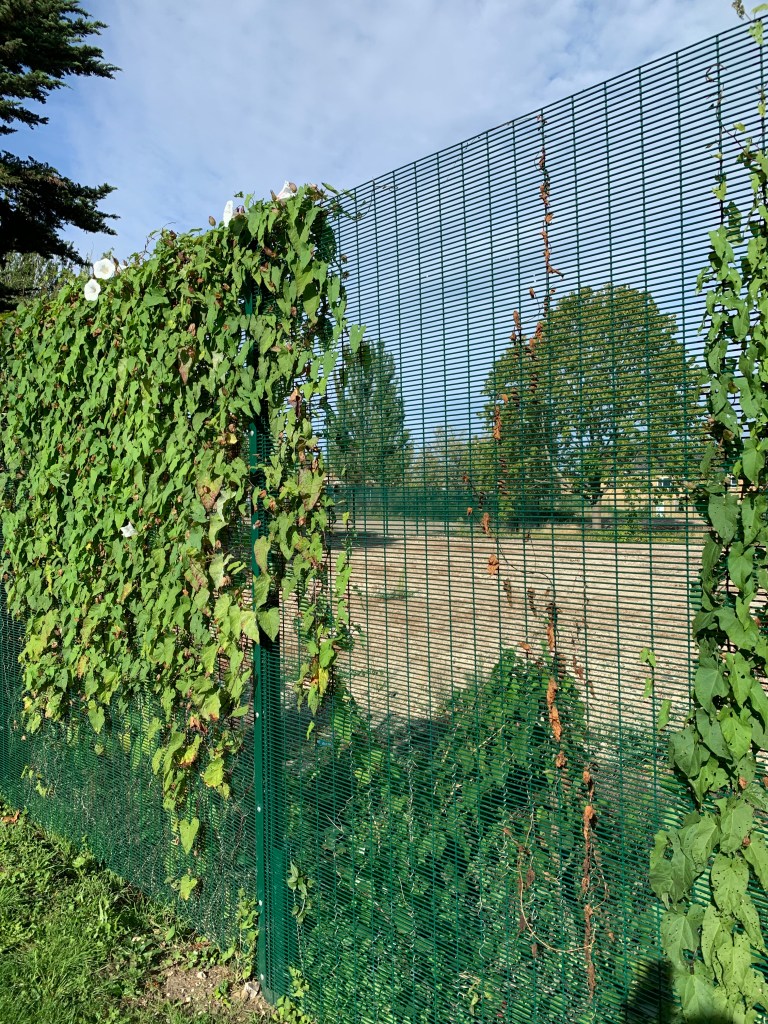
A garden run wild between the Innovation Gateway and one of the demolition sites

Thinking about all of this in direct relation to the questions I’ve outlined as my research project, it feels like the underlying question is one of whether the London Cancer Hub equates more closely to a wilderness or a garden. If it’s the former, the assumption would be that everything will grow together organically, creating its own ecosystem like a true, untampered-with, natural habitat, a wild area where species settle into their own relationships as they wander through the uncharted spaces. Or is it more like a garden? In that case, there would be dedicated horticulturalists planting, tending, pruning and nurturing amd mapping our the whole plot.

Given all the effort going in to the creation of the LCH and the high stakes of its success, my guess is that it needs to be a garden. And while there are definitely a lot of gardeners within individual areas, some of whom are also tending the boundaries, it would be interesting to understand the design for the whole landscape.

And finally – i need to think about why i am using landscape metaphors and not bodily ones!

A trip to the library

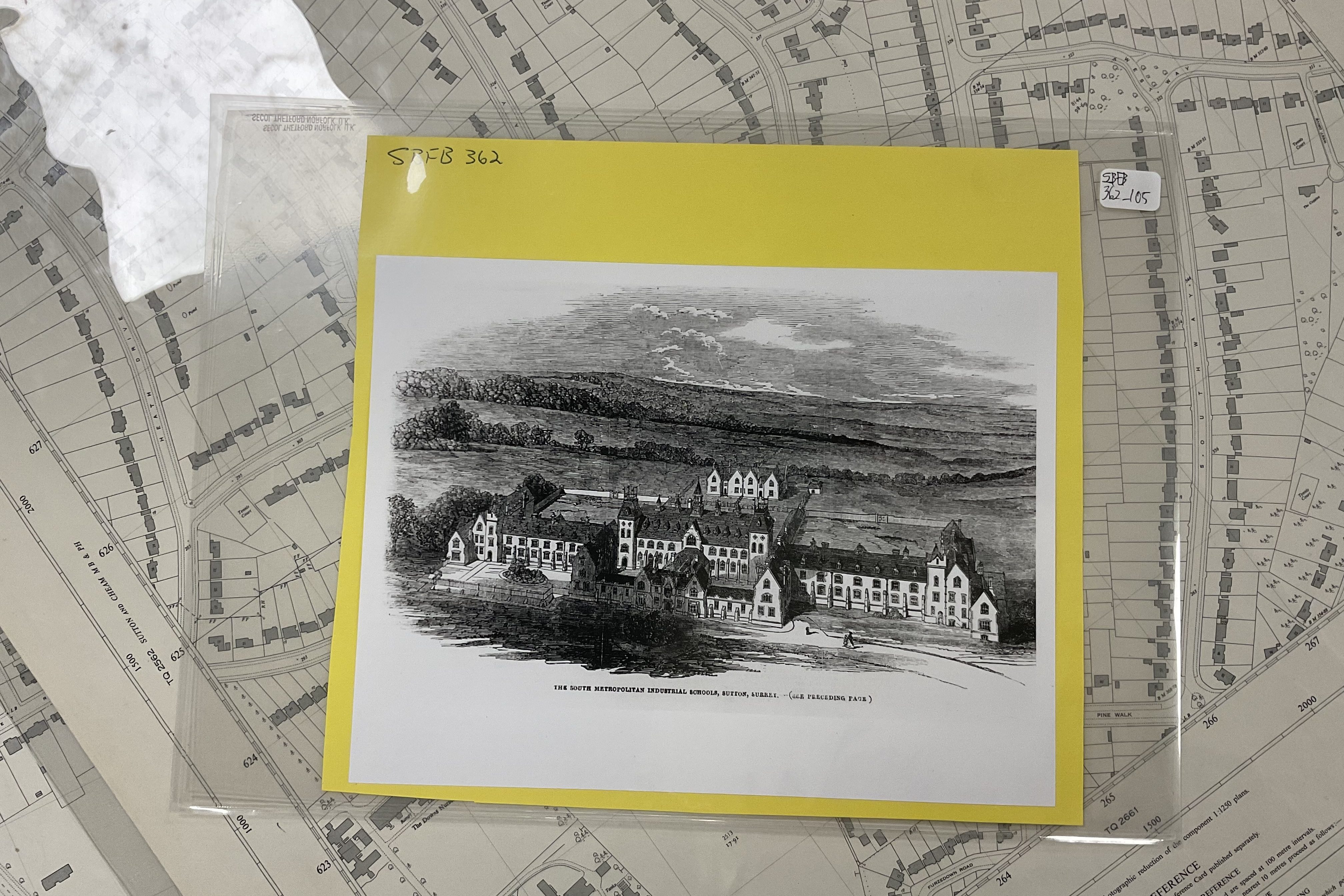
South Metropolitan School for Girls 1854

I was lucky enough recently to be able to spend a couple of hours steeped in the archive at Sutton Central Library, going through maps of the site where the London Cancer Hub is now based, and talking about the site with a member of the London Borough of Sutton team responsible for shepherding the London Cancer Hub site through the development process. Such a lot of interesting ideas emerged in one afternoon from talking about both the history and the future of the site. Once again I was overwhelmed with the amount that I learned and am full of questions about the implications for the evolution of the London Cancer Hub ecosystem as well as new ideas that may develop into artwork…

Site Plans

So, as I think i have probably already mentioned, the London Cancer Hub is made up of a number of different organisations or groups of organisation. The most significant of these that I have been thinking about are – in no particular order:

  • The Royal Marsden Hospital (mainly in purpose-built 1950s buildings but with a very new state-of-the-art structure)
  • The ICR (in brand spanking new purpose built blocks)
  • The Innovation Gateway (currently inhabiting a small existing mid-century block)
  • Maggie’s Cancer Centre (in one of their beautiful architecturally designed centres)

The element missing from that list is the major commercial site. The Innovation Gateway is the current incarnation of this, an incubator for small biotech, lifestyle and medical companies whose work fits well with the cancer focus of the Hub. But future plans are larger and more ambiutious, with a vision to house much larger companies (or parts thereof), big players in the medical and/or pharmaceutical world. There is a ‘preferred bidder’ to build this major development , with final contracts potentially being awarded in a few months time, depending on progress. The physical area for all the building to happen is currently essentially the demolition site of a number of old hospital buildings that were no longer useful and would have been complex and expensive, if not impossible, to adapt to this new purpose.

Downs / Sutton Hospital buildings scheduled for demolition

Discussion about this led quickly onto a conversation about land ownership. I had somehow assumed that there was a single site that formed ‘The London Cancer Hub’, owned by a single entity, but this is not the case. As i understand it post that conversation, the ICR owns its own plot; the NHS owns the plot on which the Royal Marsden stands, Maggie’s sits on the Royal Marsden site and the London Borough of Sutton has recently purchased the site for the commercial sector development, which as far as I can tell is referred to as The London Cancer Hub in itself also. This I think may be the root of some of the confusion that I’ve been feeling when talking to different people about the LCH – do we both mean the whole site encompassing everything, or do we mean the new commercial development? This adds to an existing confusion, for example, that I had during one conversation where the person i was talking to interpreted the London Cancer Hub as meaning the focus on the site during the pandemic for treating London-based cancer patients. I will be posting here again about some of this ambiguity, which feels quite important to the ongoing creation of a ‘London Cancer Hub’ ecology. However, ambiguity aside i found the way the sites come together to be fascinating, a real patchwork or mosaic of a site.

Site History

But before I get onto that, once back at the archive I had a chance to focus on the previous and historic uses of the site, which started as the South Metropolitan School for Girls in the mid 1800s.

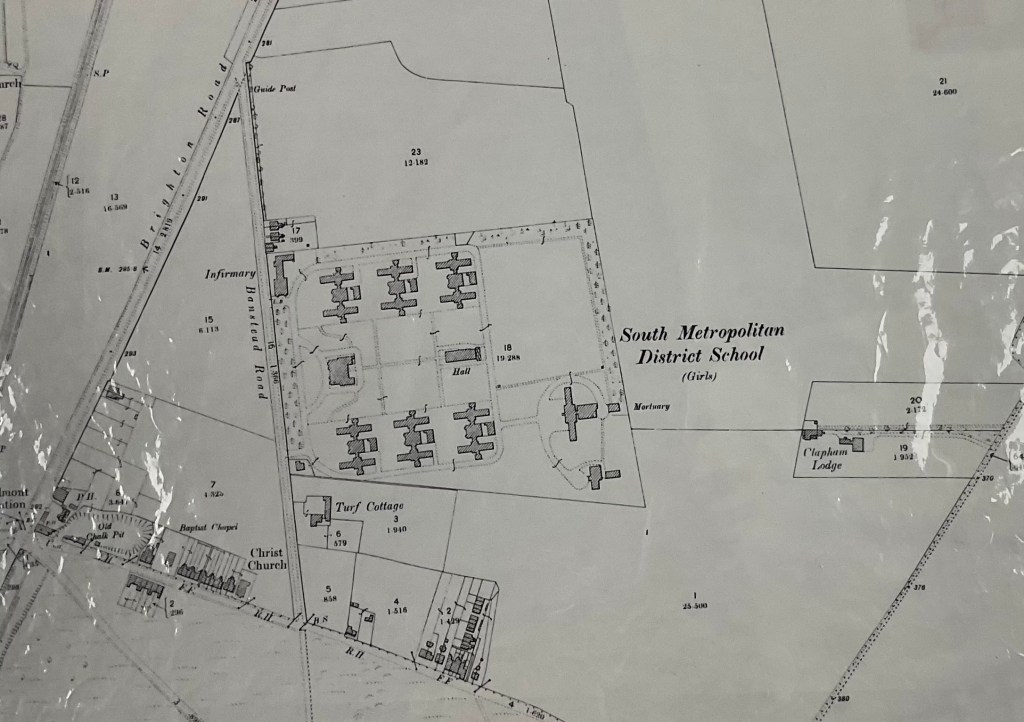
The Site in 1896

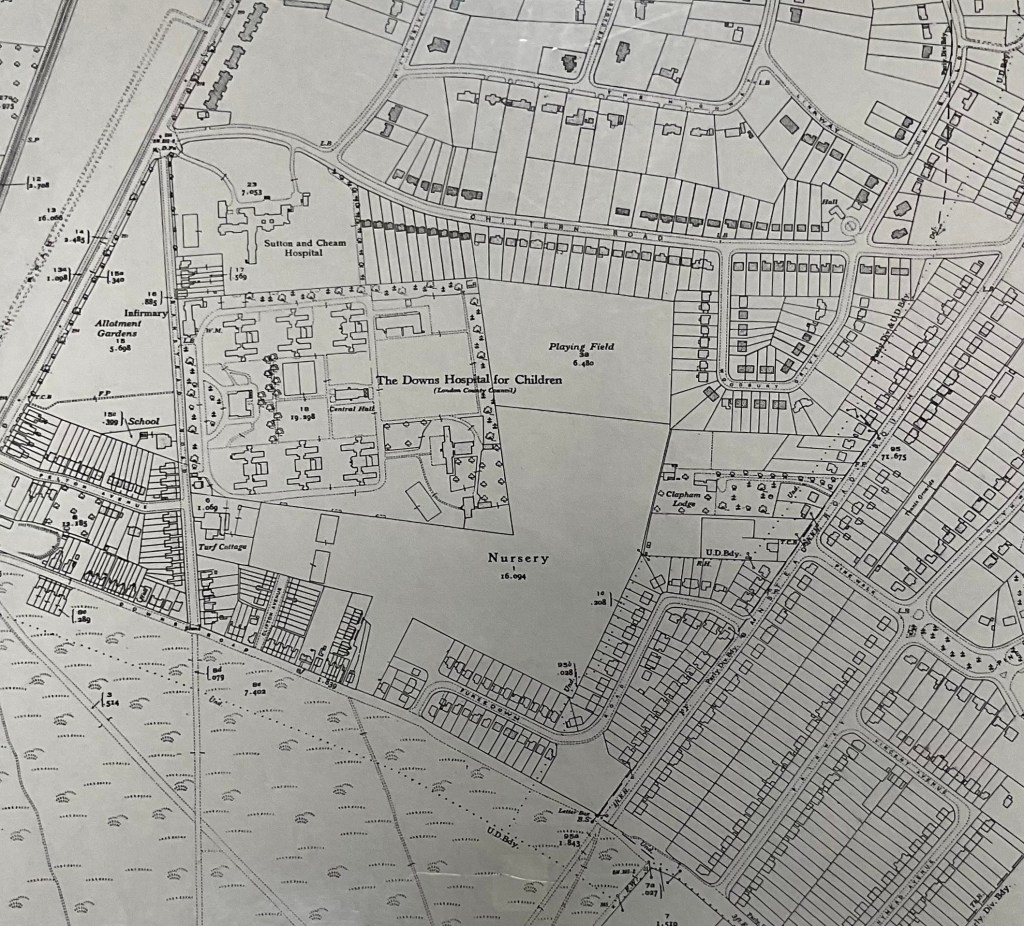
What follows is a series of images of the site over the years, thanks to the historic maps of the area, and some images of the buildings too from over the years. The building images are the ones that particularly struck me, though there were many more to choose from that might have given a more comprehensive overview of the way the buildings evolved and came together.

The Site in 1913
The Site in 1935
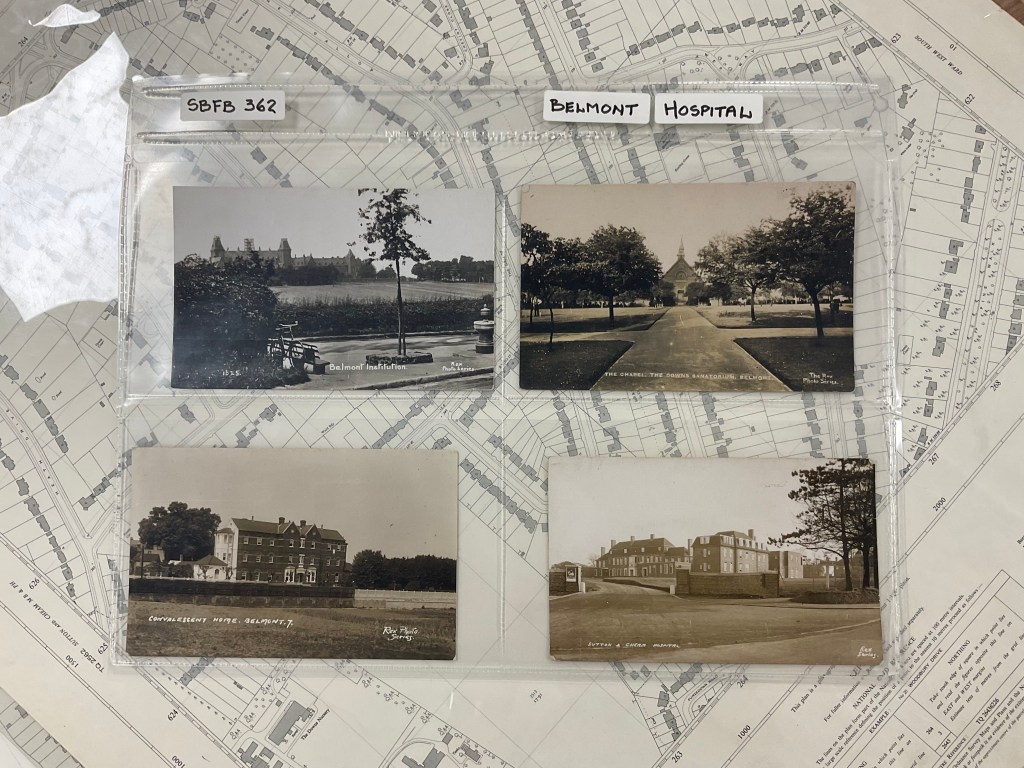
The original hospital buildings that were the Downs School, then the Belmont Hospital and then the Sutton Hosplital
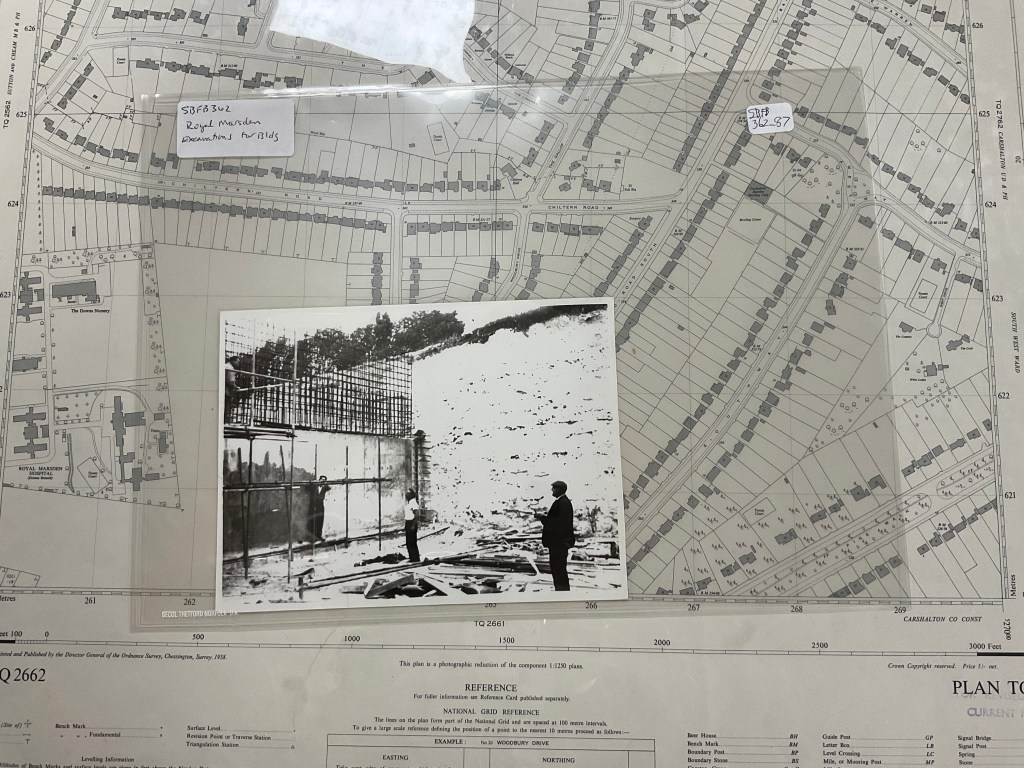
Digging the foundations for the Royal Marsden Hospital
The Downs Hospital in 2002

I was struck how this image is almost the same angle as the one above with the demolition barriers in place.

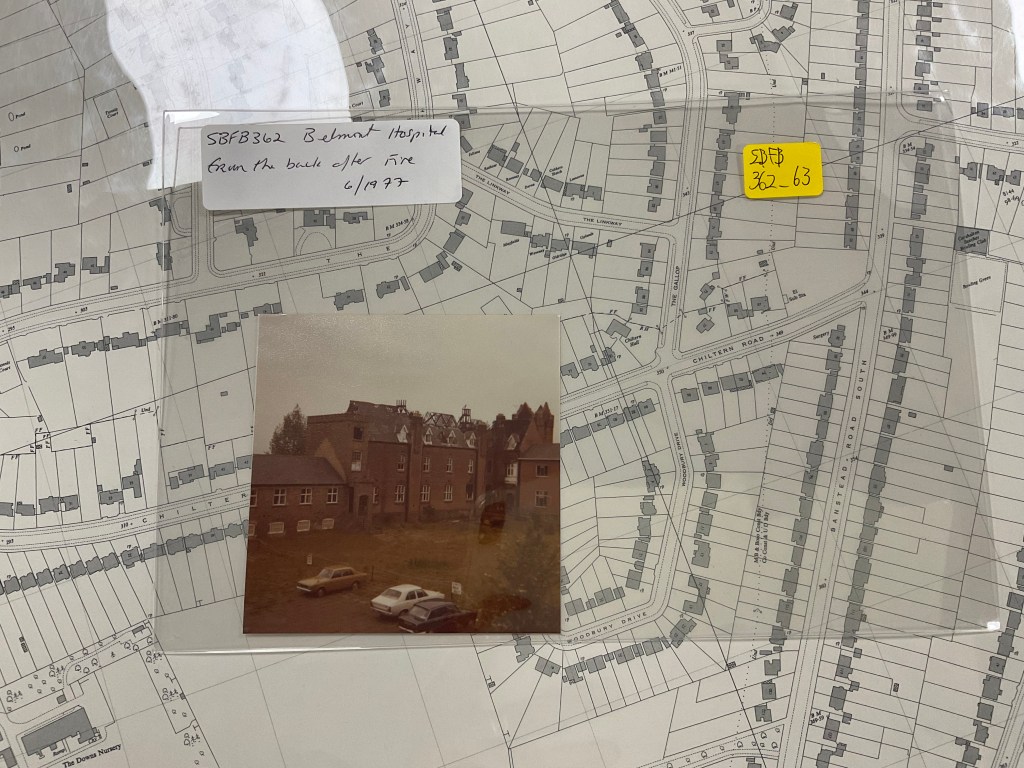
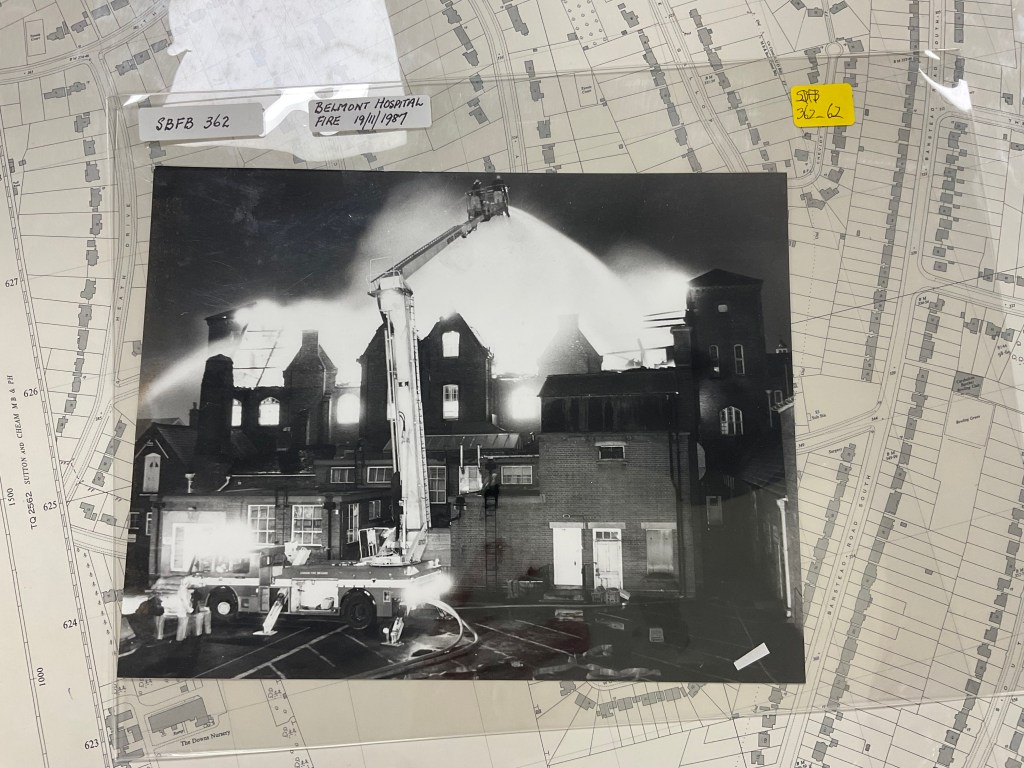
I also noticed as I pored through the images that there had been a lot of fires in the old hospital buildings.

After the Fire in 1956
Ager the fire in 1977
During the Fire in 1987

I’m not sure how the history of the buildings themselves or, indeed, the fires will feed into my understanding of the ecosystem, or they will feature in my artwork, but both struck me as interesting and worth recording here… The nature of the site as a mosaic of different ownerships, though, I already know is productive food for thought.

In the meantime, thanks so much to the LBS team and the archive for sharing the maps and letting me browse through the photos. Apologies that images are not great – they were my snapshots but maybe at some point I can go back and get better pictures….

Visiting the ICR and the LCH Site

My first visit to the Institute of Cancer Research was utterly fascinating both in terms of developing an understanding of key concepts about the ecology of cancer and of getting a sense of the London Cancer Hub itself. I was lucky enough to meet with researchers from two different teams and was slightly punch drunk with ideas and information by the end of the day. Rather than write about the meetings here one by one, I plan to use this blog to think about some of the concepts and ideas and how they might translate into relevant artwork. These will unfold over future posts. This post is actually about my first visit to the site in concrete terms, how i found it, how it looked and how it felt to be there for the first time.

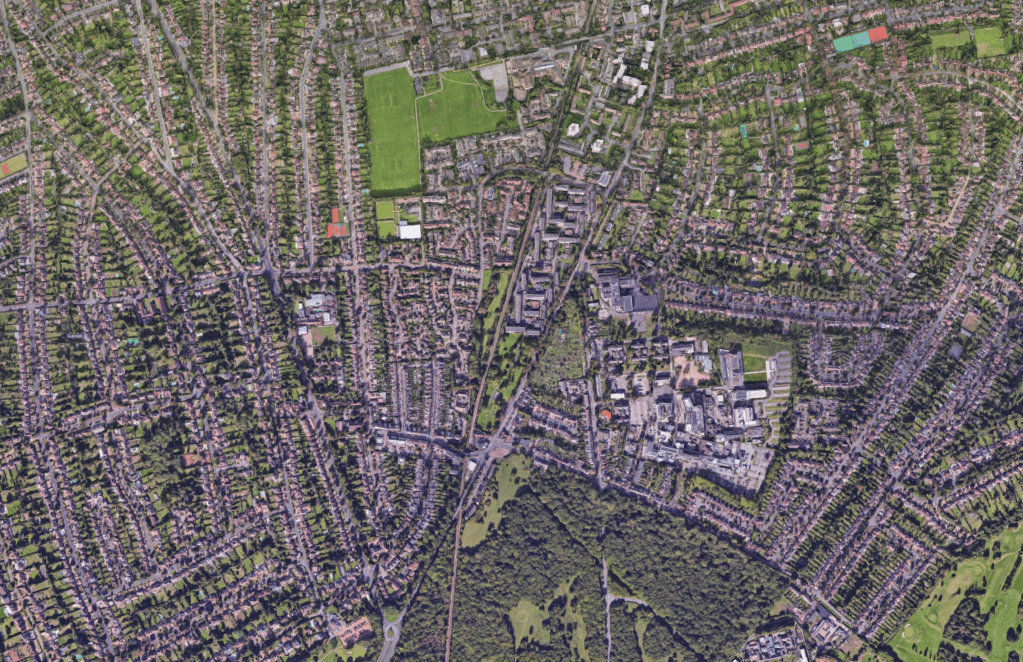
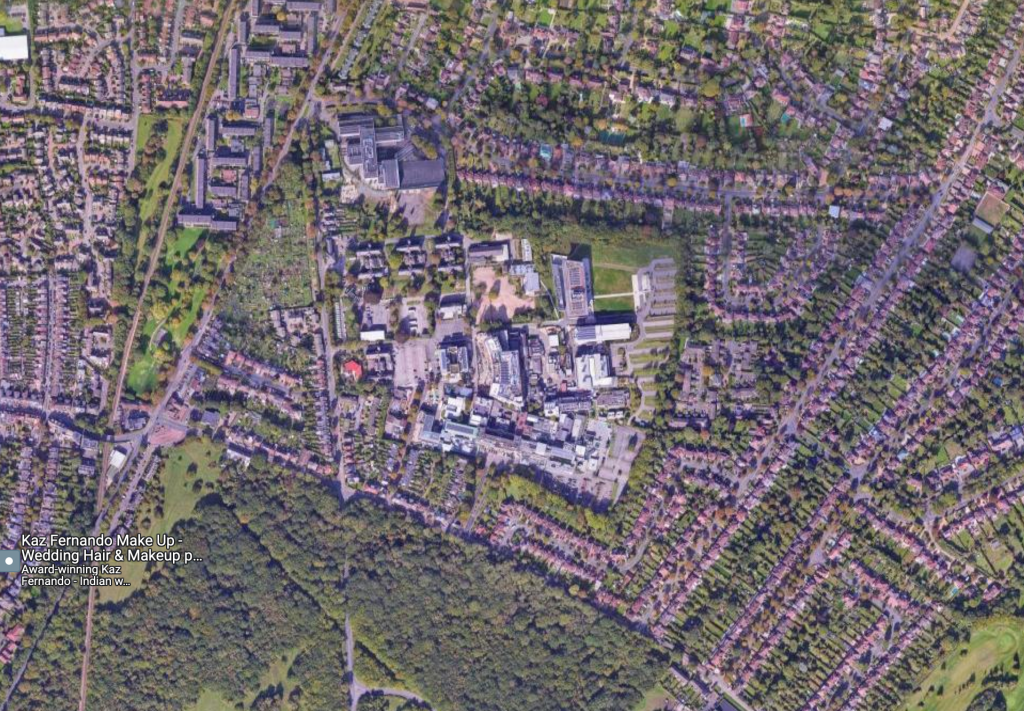
The LCH is near Belmont in Sutton. I was unfamiliar with my route to it by road, or the lie of the land around the LCH. I was surprised to come across the site as i was making my way through a warren of residential streets; the LCH nestles amongst the housing, mostly hidden from view.

The first buildings I saw as I came onto the LCH site (via the signposts to the ICR – there are a variety of access points) were some old brick Hospital buildings, presumably Victorian and presumably part of the Royal Marsden, past or present? The bulk of the original Royal Marsden on this site is actually midcentury, and was officially opened in 1963, but I couldn’t see much of that from my approach. I carried on past towards the ICR.

As I carried on down the access road, I came to the new ICR campus – brand spanking new buildings set in flat green parkland, some of which is earmarked for further development.

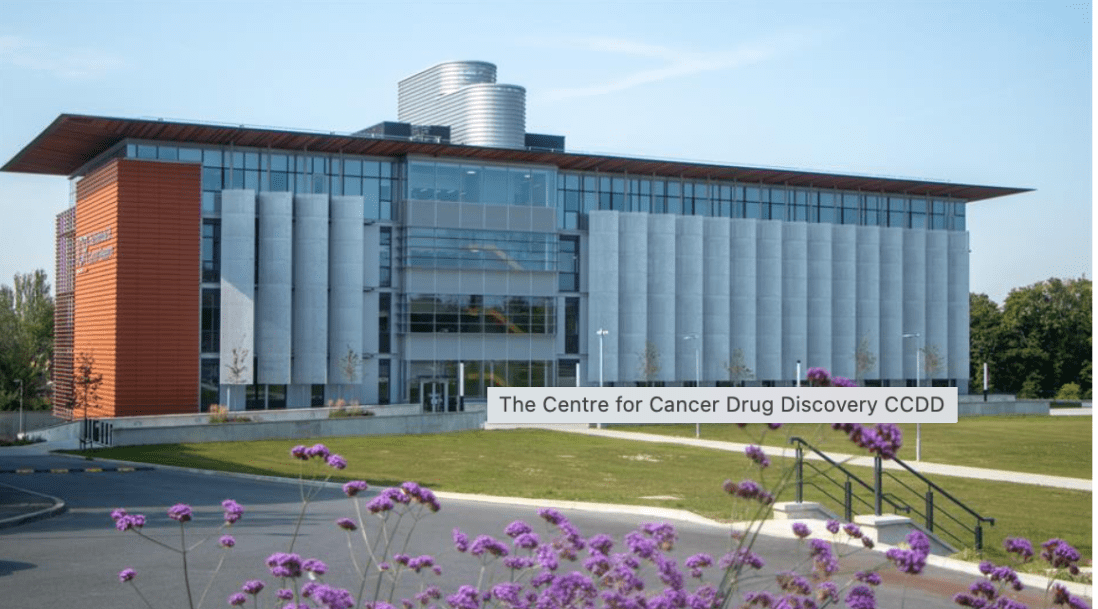
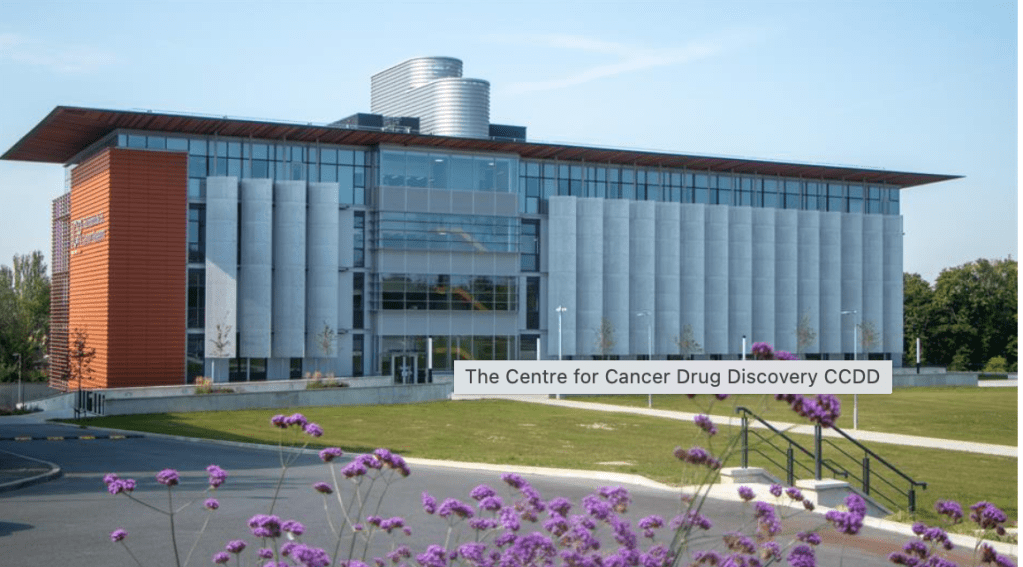
From windows of the Centre for Cancer Drug Discovery you can get something of the lie of the land. As well as being able to look over many of the different constituent parts of the Royal Marsden, it’s also possible to view the Innovation Gateway site – still very much a work in progress.

I spent pretty much all my day in the Centre for Cancer Drug Discovery where I had meetings in the purpose built meeting rooms as well as having a chance to talk to some researchers in their offices and to look at the labs used by the Cancer Evolution team.

As one might expect, everything was subject to secure access – you needed a pass to get into any of the buildings, and each of the office areas and also clearly the labs required a pass to access them. I was struck by the contrast between corridors and meeting rooms, which both felt a bit stark, mainly quiet and empty, and the offices and labs which were busier both with people and with papers or equipment. In the labs I got to borrow white and blue lab coats, depending on area, to adhere to the health and safety protocols. Odd how much it felt like dressing up.

As we walked around between meetings I was trying to get my bearings (and anyone who knows me knows that’s a feat – I could get lost in a small box) but even more, I wanted to take in the feel of the place. It’s much too early to do anything here other than record very first impressions, but those impressions are very much of a work in progress, a stitching together of the very old, the very new, and all the things that came in between. It gave me a real insight as to where the project stands at the moment; the LCH is not so much an entity as an idea that is beginning to take physical shape.

And that led me to question how far the LCH is also taking organisational shape – is that totally conceptual still or is it having any impact on working practice?

The London Cancer Hub

I am truly thrilled to have been awarded an artist residency with the London Cancer Hub. The London Cancer Hub is the collective name for the new site in Sutton which brings together a number of leading organisations in cancer research, such as the Institute of Cancer Research and the Royal Marsden Hospital, along with other key players such as innovative biotech and drug development companies that form part of the Innovation Gateway, and the Harris Academy, a STEM-focused Sutton comprehensive school. The intention is to create a global centre of excellence for cancer innovation.

The residency, part of the Sutton STEAMs Ahead programme and funded by a major Cultural Impact Award, will allow me to spend several months researching and developing new artwork for a project I am calling ‘Evolving the Ecosystem’

I spent my first day at the London Cancer Hub last week, and will be posting regularly about all the things I am learning and how these translate into the prototype artwork I’ll be making as part of the residency. It will be wonderful to share this voyage of discovery with anyone who wants to come along for the ride!

Creating and curating cabinets and vitrines

So, for those of you who have read my post on placing the artwork, you know that there are some major advantages to placing the artwork under glass (even if it is itself made of glass!).

I know that I don’t just want to make an artwork and pop it into a standard cabinet – often glass art does not fare well when placed inside a glass case. So my plan is to create an artwork where the cabinet or vitrine is an integral part of the piece.

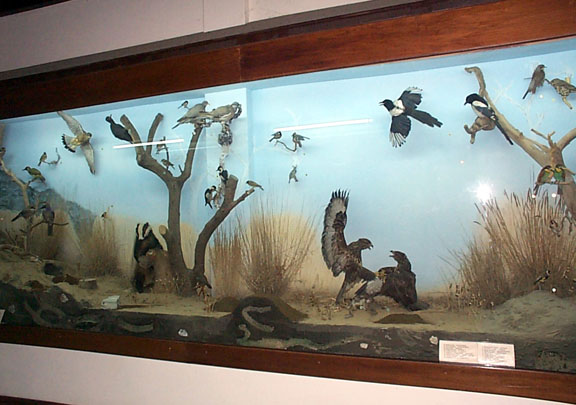
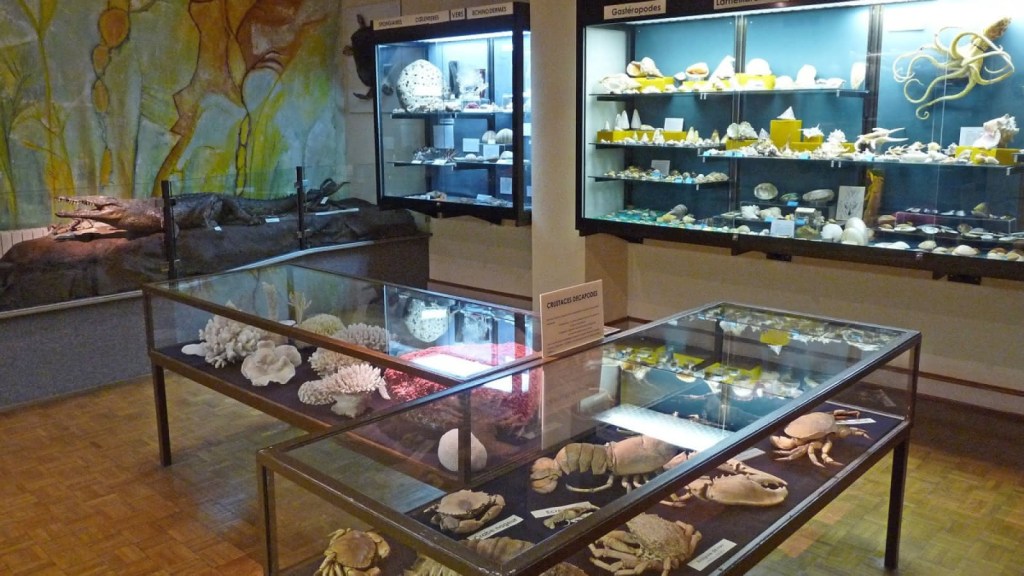
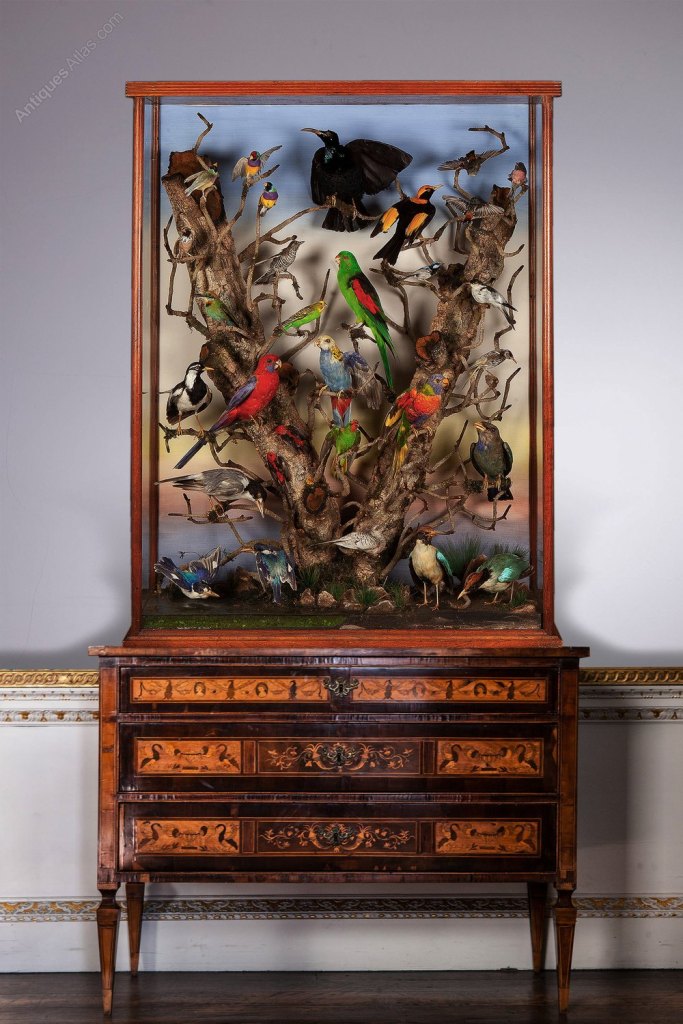
When thinking about how to use cabinets or vitrines in this artwork, I am very much drawn to thinking about natural history exhibits. A lot of natural history museums in particular evolved complex settings for displaying their flora and fauna specimens in their vitrines during the late nineteenth century and enduring well into the twentieth century. This approach also spilled over into more general taxidermy.

Taxidermy display of Australian birds

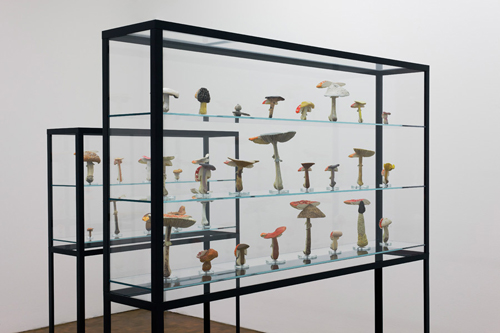
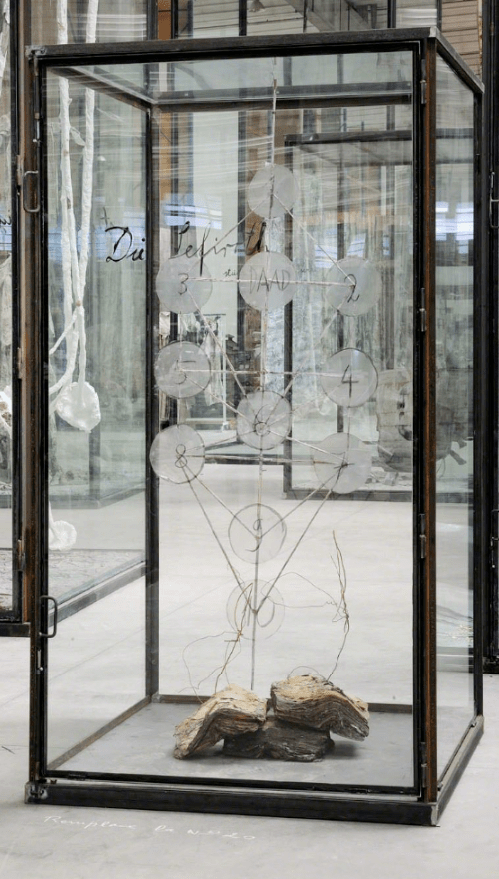
Various artists are also known for using vitrines in their work. Here are examples from Carsten Holler, Anselm Kiefer, and an artist new to me Fiona Hall. They have used vitrines in different ways, creating types of taxonomy, mises en scenes and

Carsten Holler’s meditation on chanterelles and the colour orange.
Anselm Kiefer
Anselm Kiefer
Fiona Hall
Fiona Hall

Reviewing how curators, collectors and artists use of vitrines, some of the key things I know I want to think about going forward include:

  • Backdrop – coloured and or sandblasted
  • Drawing or writing on the case
  • Mise en scene inside the case – including narrative elements
  • Composition of main elements as specimens (or not)
  • Integrated lighting

I already have my eye on a specific vitrine / display case so am going to be thinking about those things in light of that….

Context, cleaning and cabinets – the practicalities of placing the artwork

While visiting St James Hospital, I spent some time in the Bexley Wing looking around where my artwork might be placed, both temporarily and on a more permanent basis.

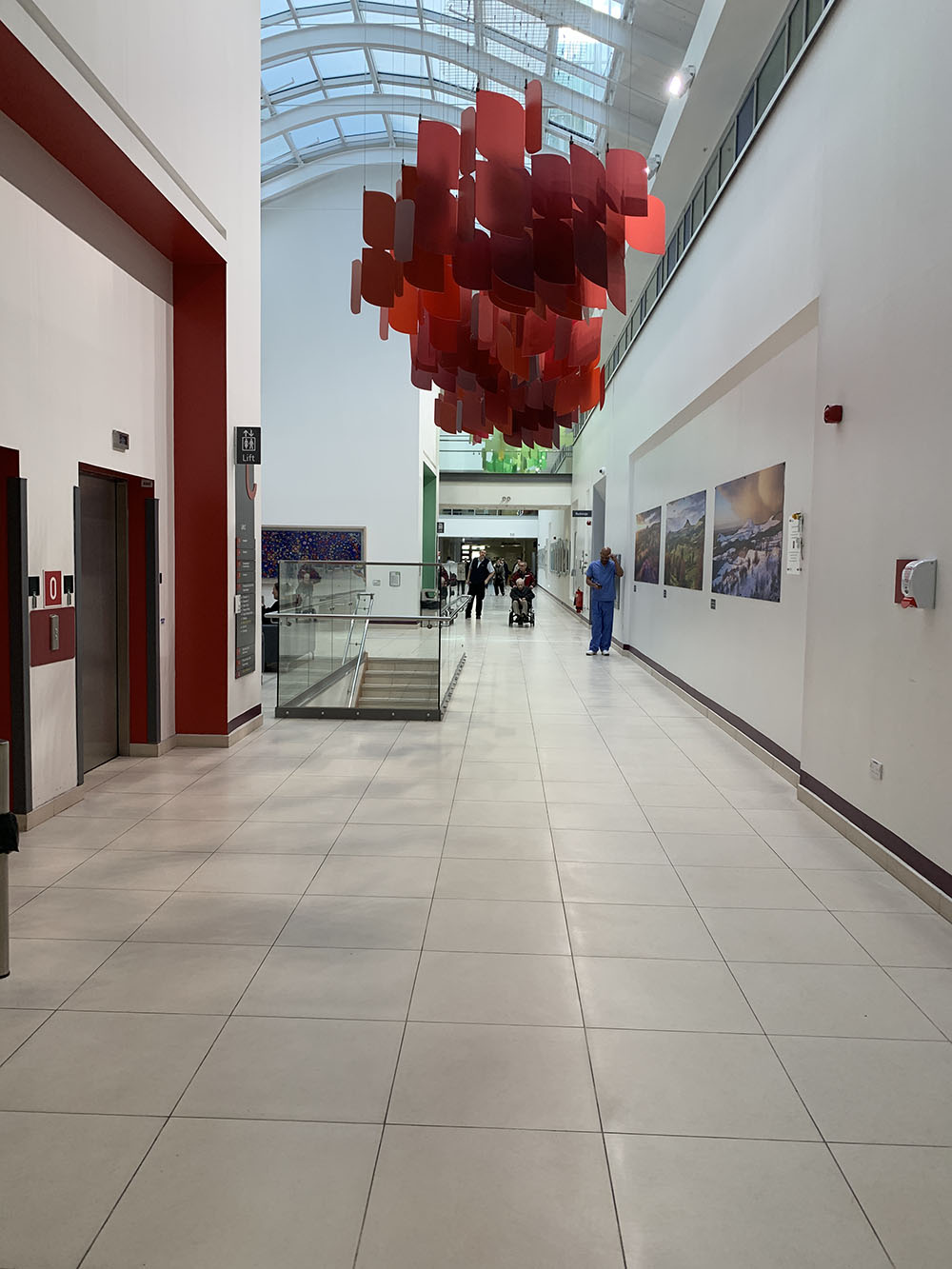
The idea, if all goes according to plan, would be for the artwork to spend its first three months once completed in the Atrium Gallery of the Bexley Wing. This is an amazing, huge, high-ceilinged and light-filled space which already has a considerable number of artworks on display at any one time.

About the Atrium Gallery

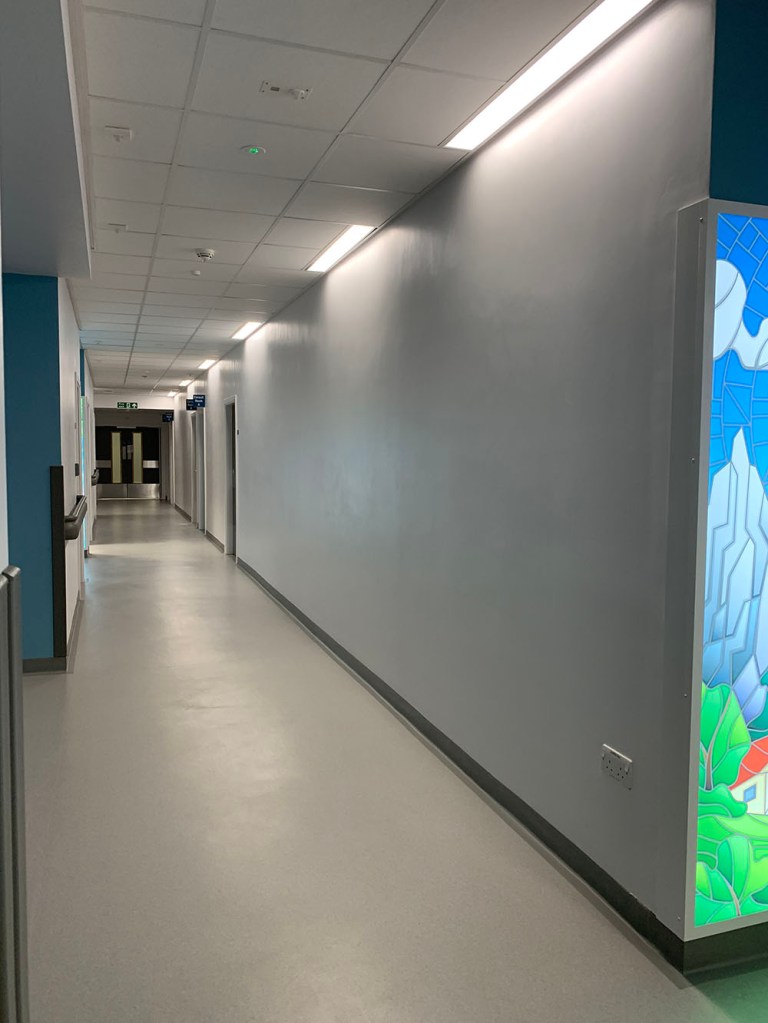
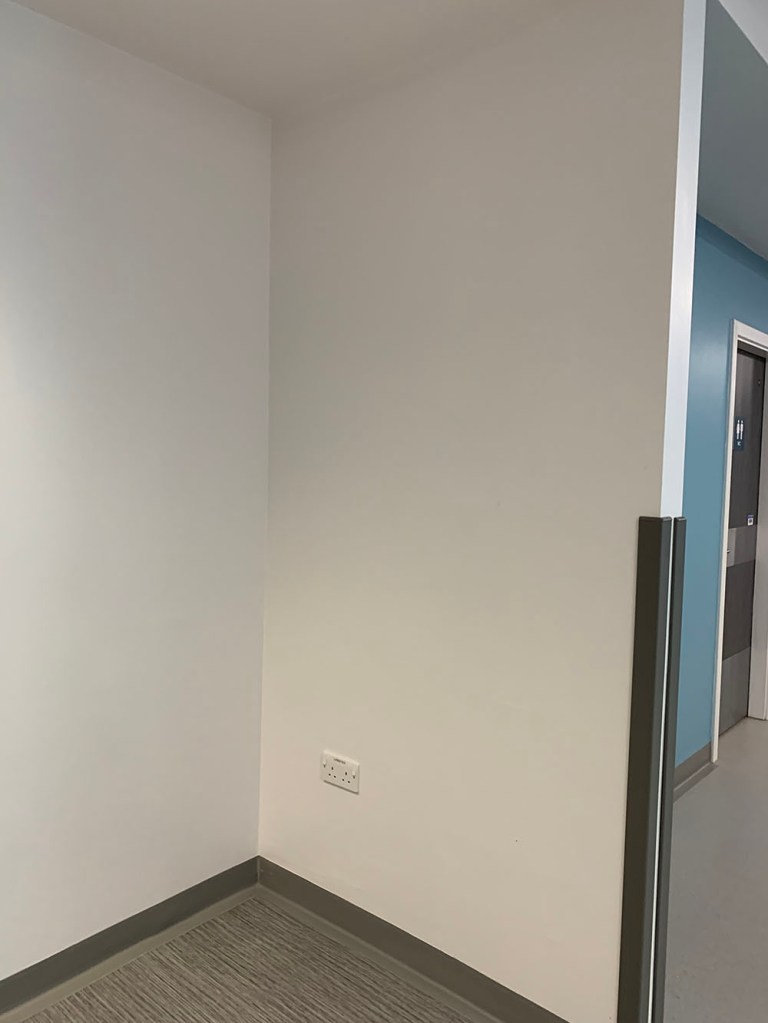
Following that it will move to the Clinical Research Facility (CRF) which had just opened for business when I was on my visit to the hospital, although without inpatients. Chris and Debbie showed me around the space and pointed out a couple of options for where my artwork might be placed, depending on which I preferred and what kind of artwork i would be making. We also looked at what else would be in the space, including the lightboxes (the edge of one of which you can see below) and some watercolours which had been commissioned for and donated to the CRF.

A long flat wall if I am making wall based work
If i want to make something plinth, table or floor based, this area of around 1m x 1m would be an option, also with handy power source

While we were looking at the space, Chris also shared that the CRF might be converted into a coronavirus treatment unit if required by the hospital for providing care during the pandemic.

This heightened our existing awareness that the artwork would need to be easy to clean, or possibly sterilise, as well as allowing the walls / floors near it to be cleaned effectively. For that reason Chris and Debbie were both very much in favour of having the artwork housed in some sort of a cabinet that would allow for external cleaning without disturbing the piece itself, and would enable the artwork to be moved to allow the areas around it to be cleaned.

I hadn’t really considered the artwork being encased in any way up until that conversation. We had talked about the requirement for the artwork to be safe for patients and staff, and I had been thinking about how to finish rough or sharp edges so that they would not present any difficulties, as well as how the piece could be kept clean. But most of my creative ideas had to that point been for an installation where the component parts were not contained, and so this represented quite a change in creative direction for me to contend with.

I mulled for a short time about whether I could happily create a work which would conform to the necessary cleaning requirements without being held in any form of container or cabinet, but quite quickly decided that this would be both limiting and complex, determining what kind of finishes and materials that I could use – probably mainly shiny and smooth surfaces, which does not fit well with my usual aesthetic or approach.

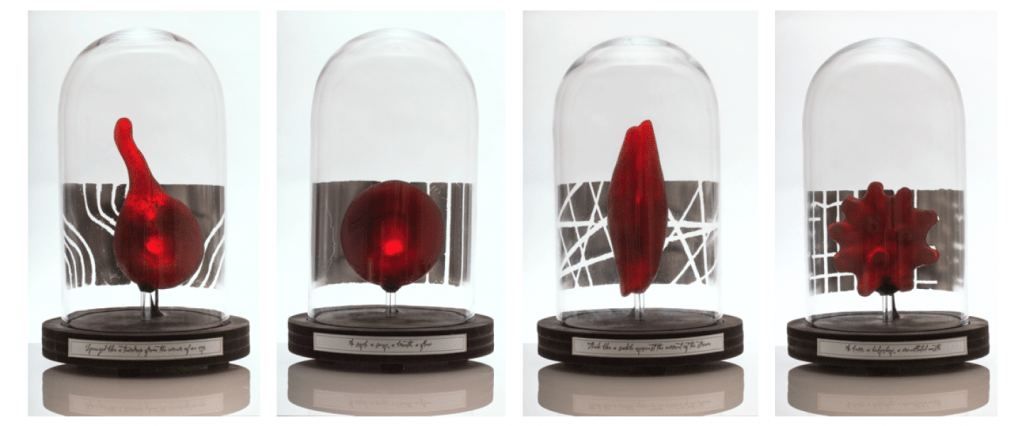
However, constraints can be very positive, and my first thought was to find a way to make the ‘cabinet’ part of the piece itself, which would be an interesting and challenging way forward. My mind immediately went to my ‘Blood Morphology’ pieces which have integral bell jars containing the blood cells.

My Blood Morphology Series with their integral glass domes

Bell jars or glass domes would definitely be a possibility for this artwork, but currently i am much more drawn to the idea of specimen cabinets or vitrines, especially as I don’t want to find myself repeating myself. I will be doing some research about the aesthetics of specimen cabinets and vitrines as well as looking into other artists who have used these, and will post about that separately…